
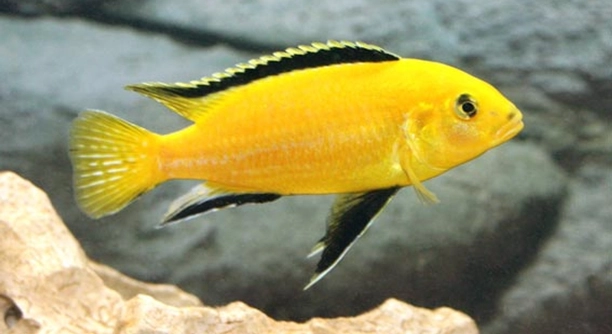
Are your electric yellow cichlids showing sudden jerking movements in the tank? Many aquarists notice this behavior and wonder if it signals a health problem or is just part of normal activity. Understanding these movements can help.
Jerking movements in electric yellow cichlids are often caused by environmental stressors, parasites, or water quality issues. Ensuring proper tank conditions, monitoring for signs of disease, and maintaining a balanced diet are essential for reducing these involuntary motions.
Recognizing the underlying causes of these behaviors can help you maintain a healthier, more comfortable environment for your cichlids. Observing them carefully is the first step in proper care.
Common Causes of Jerking Movements
Electric yellow cichlids may display jerking movements for several reasons. Sudden changes in water temperature can stress them, triggering involuntary twitches. Poor water quality, such as high ammonia or nitrite levels, also leads to discomfort and unusual swimming patterns. Overcrowding in the tank can increase stress, causing erratic movements as they try to assert territory. Infections from parasites or bacteria often result in jerking, flashing, or rubbing against surfaces. Dietary imbalances, including a lack of essential nutrients or sudden changes in food, can also contribute to these behaviors. Monitoring tank conditions closely and keeping a consistent feeding routine helps minimize these issues. Regular water tests, partial water changes, and providing hiding spots can reduce stress. Observing your cichlids’ behavior daily allows for early detection of problems and ensures that corrective measures are applied promptly. Prevention and early intervention are key to maintaining their well-being and normal activity levels.
Keeping water stable and clean is the most effective way to prevent jerking movements in cichlids.
Maintaining a healthy environment requires diligence. Ensuring proper filtration, stable temperatures, and a balanced diet supports overall fish health. By reducing stressors, jerking movements become less frequent, and the fish remain active and alert. Proper observation helps detect issues before they worsen.
Addressing Health-Related Jerking
Parasites and bacterial infections are common causes of jerking movements in electric yellow cichlids. Identifying symptoms early can prevent more serious health problems. Signs may include flashing against surfaces, rapid gill movement, or lethargy.
Treatment often involves isolating affected fish in a separate tank and using appropriate medication. Maintaining clean water conditions enhances recovery and prevents the spread of infection. Consistent monitoring of water quality and feeding practices reduces stress that can worsen symptoms. In some cases, a veterinarian’s advice may be necessary for persistent issues. Quarantining new fish before adding them to the main tank minimizes the risk of introducing parasites or bacteria. Providing hiding spots and avoiding sudden changes in environment also supports recovery. Understanding the fish’s behavior and acting promptly ensures they regain normal movement patterns, reducing stress on the entire tank population. Regular health checks and preventive measures keep electric yellow cichlids active and thriving, maintaining their vibrant appearance and overall well-being.
Water Quality and Tank Conditions
Stable water parameters are crucial for preventing jerking movements in electric yellow cichlids. High ammonia, nitrite, or sudden pH changes can cause stress, leading to twitching or erratic swimming. Regular testing and adjustments keep the tank safe and comfortable.
Proper filtration and routine water changes are essential to maintain a healthy environment. Overcrowding increases aggression and stress, so providing adequate space and hiding spots helps reduce erratic behavior. Monitoring temperature and ensuring it remains stable prevents shock that could trigger jerking. Even minor fluctuations in water chemistry can affect cichlids, so consistency is key. Providing a balanced diet complements clean water, supporting overall health. Paying attention to these details ensures your fish remain calm and active, reducing the risk of sudden jerking movements.
Observing your tank daily allows early detection of changes in water quality or fish behavior. By acting promptly, you can prevent small issues from turning into serious problems. Keeping a log of water tests and feeding schedules helps track patterns and maintain optimal conditions. Even minor improvements in tank setup can significantly impact the cichlids’ comfort and reduce stress-related movements. Regular maintenance is a small effort that ensures long-term health.
Stress Factors and Behavior
Jerking movements often indicate stress from environmental or social factors. Aggression from tank mates, lack of hiding spaces, or sudden disturbances can trigger these behaviors.
Providing adequate territory and minimizing sudden changes reduces stress-related jerking. Rearranging decorations, loud noises, or frequent handling can unsettle cichlids. Observing their interactions and separating aggressive individuals helps maintain peace. Ensuring a stable routine for feeding and maintenance supports a calm environment. Even small stressors accumulate, affecting behavior over time. By keeping conditions consistent and predictable, jerking movements can decrease, and fish regain normal activity patterns, improving their overall health and comfort in the tank.
Dietary Influences
A sudden change in diet can cause jerking movements in electric yellow cichlids. Low-quality food or a lack of essential nutrients may affect their nervous system, leading to twitching or erratic swimming patterns.
Feeding a balanced diet consistently helps maintain stable behavior. Avoid overfeeding, as excess waste can also impact water quality and stress the fish.
Monitoring and Observation
Keeping a close watch on your cichlids helps identify early signs of stress or illness. Noticing small changes in movement allows prompt intervention before problems escalate. Maintaining a behavior log alongside water quality records provides useful insights for long-term tank management.
Preventive Measures
Regular tank maintenance is essential for healthy cichlids. Cleaning filters, performing water changes, and checking water parameters prevent environmental stressors that may trigger jerking movements.
When to Seek Professional Advice
Persistent jerking despite proper care may indicate serious health issues. Consulting an aquatic veterinarian ensures accurate diagnosis and appropriate treatment.
FAQ
Why is my electric yellow cichlid suddenly jerking in the tank?
Jerking movements are usually a response to stress, poor water quality, or health issues. Sudden temperature changes, high ammonia, nitrite, or pH fluctuations can make cichlids uncomfortable. Parasites or bacterial infections may also cause twitching. Consistent monitoring of water parameters and observation of behavior helps identify the cause quickly.
Can diet cause jerking movements?
Yes, a poor diet or sudden changes in food can affect your cichlid’s nervous system. Nutritional deficiencies or low-quality food may lead to erratic swimming. Feeding a balanced diet with protein-rich cichlid pellets, occasional live or frozen foods, and avoiding overfeeding supports stable behavior and overall health.
Are jerking movements always a sign of illness?
Not always. Sometimes, jerking can be a response to temporary stress or minor environmental changes. However, frequent or severe jerking often signals an underlying issue such as parasites, bacterial infections, or poor water conditions. Observing other signs like flashing, lethargy, or changes in appetite helps determine if it is health-related.
How can I reduce stress in my tank?
Providing enough space, hiding spots, and a stable environment minimizes stress. Avoid sudden rearrangements of decorations, loud noises, or frequent handling. Keeping consistent feeding times, maintaining water quality, and monitoring interactions between tank mates ensures cichlids feel secure and reduces stress-induced jerking movements.
Should I isolate a jerking cichlid?
If the jerking is due to illness or aggressive tank mates, temporarily isolating the affected fish can prevent worsening of symptoms and reduce stress. Quarantining sick fish in a separate tank allows targeted treatment and limits the risk of spreading infections to others.
How often should I check water parameters?
Regular testing is crucial. Ammonia, nitrite, nitrate, pH, and temperature should be checked at least once a week, or more often if problems arise. Keeping records helps spot trends early and ensures that conditions remain safe and stable for your cichlids.
Can jerking movements be prevented?
Yes, many cases can be prevented with proper care. Maintaining stable water conditions, providing a balanced diet, managing tank population, and reducing environmental stressors all help prevent jerking behaviors. Regular observation and early intervention also play a key role in prevention.
Is medication always necessary?
Medication is only needed if the jerking is caused by parasites, bacterial infections, or other treatable health issues. Proper diagnosis is important before treating. Overusing medication in healthy fish or unnecessarily can cause stress and disrupt the tank ecosystem.
How long does it take for jerking to stop after correcting water conditions?
Once water parameters are stabilized, behavior often improves within a few days. If jerking continues, it may indicate another underlying issue such as illness, dietary deficiency, or persistent stress. Continued observation and appropriate intervention are necessary until normal movement resumes.
Can tank mates cause jerking movements?
Yes, aggressive or overly active tank mates can stress cichlids, leading to erratic swimming or jerking. Providing adequate territory and separating aggressive individuals helps maintain peace and reduces stress-related movements. Observing interactions daily ensures that all fish coexist comfortably.
Does temperature fluctuation affect jerking?
Sudden drops or increases in temperature can trigger stress and jerking movements. Electric yellow cichlids prefer stable, warm water. Using a reliable heater and monitoring the tank temperature daily prevents sudden changes that could impact their health and behavior.
How do I know if jerking is due to parasites?
Parasite-related jerking often comes with other signs like flashing against surfaces, clamped fins, rapid gill movements, or visible spots on the body. Quarantining the fish and using appropriate antiparasitic treatment helps resolve the issue while protecting other tank mates.
Can stress from moving or changing tanks cause jerking?
Yes, relocation or rearranging the tank can cause temporary stress. Jerking movements may appear as fish adjust. Minimizing changes, providing hiding spaces, and keeping a stable routine during transitions helps reduce stress and supports quicker adaptation.
Is it normal for young cichlids to jerk more?
Juvenile cichlids may display more frequent jerking due to their developing nervous system and higher activity levels. As they grow and adapt to their environment, these movements usually decrease. Consistent care, clean water, and proper diet support healthy development and reduce erratic behavior over time.
How can I track and record jerking incidents?
Keeping a small journal or digital log of jerking events, water parameters, feeding, and tank changes helps identify patterns. Recording the frequency, duration, and possible triggers makes it easier to address issues systematically and prevent future stress or health problems.
Can jerking affect other fish in the tank?
Yes, stressed or ill fish can influence tank mates. Aggression or alarmed behavior may spread, causing more jerking or hiding. Maintaining stable conditions, monitoring interactions, and isolating affected fish when necessary helps preserve the overall health and calm of the tank.
What long-term steps prevent jerking in electric yellow cichlids?
Consistent water quality management, a balanced diet, proper tank setup, monitoring behavior, and reducing stress are key. Preventive measures, early detection of problems, and regular maintenance keep cichlids healthy and minimize the occurrence of jerking movements. Regular attention and care ensure their activity remains normal and stress-free.
Electric yellow cichlids are vibrant and active fish, and seeing them display jerking movements can be concerning. These sudden twitches are often a response to stress, environmental changes, or health problems. By understanding the common triggers, such as poor water quality, aggressive tank mates, dietary imbalances, or infections, you can take the necessary steps to reduce these movements. Regular observation is crucial, as small changes in behavior can indicate that something in the tank needs attention. Even minor adjustments, like stabilizing water parameters or rearranging decorations to provide hiding spots, can significantly improve the comfort and well-being of your cichlids. Taking these actions helps prevent further stress and supports their overall health, keeping them active and vibrant in your tank environment.
Maintaining a consistent and clean environment is one of the most effective ways to minimize jerking behaviors. Performing regular water tests and partial water changes ensures that ammonia, nitrite, nitrate, and pH levels remain within safe limits. Temperature stability is equally important, as sudden drops or increases can trigger stress and erratic movements. Providing a balanced diet, with the right mix of protein, vitamins, and minerals, supports their nervous system and general health. Avoiding overfeeding is also critical, as leftover food can decay and negatively affect water quality. In addition, creating a well-structured tank layout with adequate hiding spaces and territories helps reduce conflicts between tank mates and minimizes stress-induced jerking. By focusing on these fundamental aspects, you create an environment where your cichlids can thrive, move naturally, and exhibit fewer involuntary movements.
Regular monitoring and prompt intervention are key to managing jerking movements effectively. Observing behavior daily allows you to spot early signs of stress or illness before they escalate into more serious problems. Quarantining new or affected fish can prevent the spread of infections and provide targeted treatment when necessary. Recording water parameters, feeding schedules, and behavioral changes helps track patterns and identify potential triggers. If jerking persists despite proper care, consulting an aquatic veterinarian ensures that any underlying health issues are addressed correctly. Over time, maintaining consistent care, reducing stressors, and observing your fish closely will not only reduce jerking behaviors but also promote overall health, longevity, and a stable, harmonious tank environment for your electric yellow cichlids.

Hello,
If you enjoy the content that we create, please consider saying a "Thank You!" by leaving a tip.
Every little bit helps us continue crafting quality advice that supports the health, happiness, and well-being of pets around the world, for pets of all shapes, sizes, and species.
We really appreciate the kindness and support that you show us!