
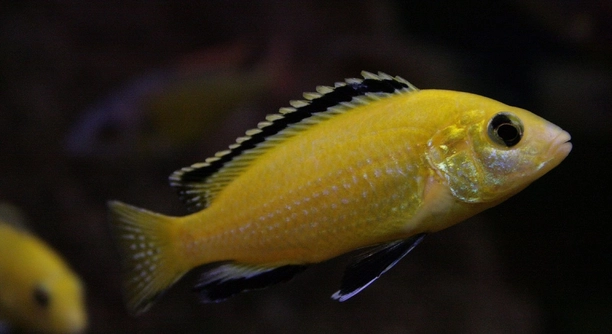
Cichlids are fascinating fish, and observing their behavior can be both relaxing and rewarding. Many aquarists enjoy noticing the subtle interactions between pairs, which often signal the development of a strong bond over time.
When a cichlid pair has bonded, they exhibit coordinated swimming, mutual grooming, joint territory defense, synchronized feeding, and shared nesting behavior. These actions indicate a stable partnership and a high level of trust and familiarity between the two fish.
Recognizing these behaviors can enhance your understanding of your aquarium and help maintain a harmonious environment for your cichlids.
Coordinated Swimming
Watching a bonded cichlid pair swim together is one of the clearest signs of their connection. They often mirror each other’s movements, gliding side by side or following the same path through the tank. This behavior shows trust and a strong sense of companionship. It also helps reduce stress, as the pair feels safer when moving in unison. Many aquarists notice that bonded pairs spend more time in shared spaces of the tank, rarely straying far from one another. Coordinated swimming is not just about closeness but also about teamwork, particularly when exploring new decorations or changes in the environment. By observing this pattern, you can gauge the strength of their bond. Even during feeding or minor disturbances, bonded pairs often adjust together, signaling a deep connection. This synchronization enhances their comfort and stability within the aquarium, making it easier to manage tank dynamics and maintain a peaceful habitat.
This mirrored swimming helps the pair feel secure and indicates a stable, trusting relationship.
For bonded cichlids, coordinated swimming goes beyond simple companionship. It reflects their shared routines and comfort level, showing that they rely on each other for both protection and social interaction. In many cases, this behavior strengthens their ability to defend territory and maintain nesting sites. Aquarists often find that when pairs swim together like this, they are more resilient to stressors, such as new tank mates or changes in water conditions. The synchronization also allows them to communicate effectively, alerting each other to potential threats or food opportunities. This behavior can influence the overall harmony of the aquarium, as other fish often respect the pair’s unity. Observing these interactions regularly provides valuable insight into their relationship, enabling better care and ensuring both fish remain healthy and content. Understanding these patterns can make tank management smoother and more predictable.
Mutual Grooming
Mutual grooming occurs when cichlids nibble or clean each other’s fins and bodies. It shows affection and trust, keeping the pair healthy and reinforcing their connection.
This grooming behavior strengthens bonds and reduces aggression, helping maintain harmony in the tank.
Bonded cichlids often engage in this behavior daily. It not only keeps their fins free from parasites or algae but also serves as a reassurance of their relationship. When one fish is stressed or injured, the other may groom more actively, offering comfort. This shared activity builds loyalty between the pair and discourages aggression from other tank mates. By allowing this interaction, aquarists can observe a natural display of care and cooperation, which contributes to the overall well-being of both fish. Over time, mutual grooming can become a reliable indicator of a lasting, stable partnership in your aquarium.
Shared Territory Defense
Bonded cichlids often guard the same areas of the tank together. They chase intruders away and stay close to their chosen spots, showing a united front. This behavior signals trust and cooperation between the pair.
When a bonded pair defends territory, each fish plays a complementary role. One may patrol the perimeter while the other watches from a hiding spot, ready to intervene if necessary. Their coordinated defense reduces stress, allowing them to feel secure in their environment. This teamwork also deters aggressive tank mates, helping maintain a peaceful aquarium. The pair’s combined efforts in guarding their space demonstrate the depth of their connection and commitment to shared responsibilities. Observing how they react to intrusions or changes in the tank can provide valuable insight into their bond and overall well-being. Over time, their unity becomes a reliable indicator of a stable partnership.
Territorial defense also influences feeding patterns, nesting, and interactions with other fish. It reinforces the pair’s trust and sense of security in the tank.
Synchronized Feeding
Bonded cichlids often eat together, showing coordination in their approach to food. They take turns or eat side by side without conflict, highlighting their connection.
This synchronized feeding helps reduce competition and ensures both fish get adequate nutrition. It reflects an understanding between the pair, showing that each respects the other’s presence and needs. When feeding, they may also position themselves to alert each other to food or monitor their surroundings, enhancing safety. This behavior strengthens their bond, making them more cooperative in daily activities. Observing this pattern regularly can indicate a pair’s stability and comfort level, giving aquarists a clear view of how well the fish interact and trust one another.
During feeding, the pair’s coordination may extend to small gestures, such as nudging each other or pausing to allow the other to eat first. These actions demonstrate mutual consideration and communication, emphasizing their partnership. The behavior also influences the tank environment, as other fish often respect the pair’s routine, reducing potential conflicts and creating a more balanced aquarium dynamic. This shared approach to feeding is a strong indicator of a well-established and harmonious relationship.
Nesting Together
Bonded cichlids often choose a spot in the tank to create or maintain a nest. They clean and protect this area together, showing teamwork and commitment to their shared space.
They may rearrange substrate or guard the nest from other fish. This behavior demonstrates trust and cooperation.
Physical Touch
Cichlid pairs that are bonded often swim close or make gentle contact. Nudging or brushing each other’s fins reinforces their connection and sense of security.
This physical interaction strengthens their partnership and reduces stress, showing comfort and mutual care within the pair.
Coordinated Communication
Bonded cichlids communicate with subtle signals such as fin displays, body movements, and changes in color intensity. These cues allow them to coordinate actions and respond to their environment efficiently.
This communication is essential for defending territory, feeding, and nesting. It reflects a deep understanding and trust between the pair, helping maintain harmony in the tank.
Mutual Comfort
Bonded cichlids often remain close during rest periods. They provide reassurance to each other, reducing anxiety and promoting a stable, calm environment in the aquarium.
FAQ
How can I tell if my cichlid pair is bonded?
A bonded pair will display synchronized swimming, shared territory defense, and mutual grooming. They often eat together without aggression, maintain a nest as a team, and remain close during rest periods. Watching these behaviors over time gives a clear indication of their connection and comfort with each other.
Do all cichlid species form bonds the same way?
Not all cichlids bond in identical ways. Some species may show more visible pairing behaviors, while others display subtler signs of connection. Environmental factors, tank size, and personality differences influence how a pair interacts. Observing your specific species and learning its unique behaviors helps in identifying bonded pairs accurately.
How long does it take for cichlids to bond?
The bonding process varies by species, individual temperament, and tank conditions. Some pairs form strong connections in a few weeks, while others take several months. Providing a stable environment with enough space, hiding spots, and minimal disturbances encourages bonding and reinforces trust between the fish.
Can a bonded pair break apart?
Yes, stress, illness, or changes in tank dynamics can weaken a pair’s bond. Aggressive tank mates, overcrowding, or sudden water changes may cause one fish to become withdrawn or territorial. Maintaining consistent tank conditions and monitoring interactions helps prevent bond disruption.
Is bonding important for breeding?
Bonding plays a critical role in successful breeding. Pairs that are bonded tend to share nesting responsibilities, protect eggs, and coordinate care of fry. Strong communication and cooperation between partners increase the likelihood of healthy offspring and reduce stress-related conflicts.
Will bonded cichlids fight with other fish?
Bonded pairs are generally more confident and assertive, often defending their territory together. While they are protective of their space, aggression towards other tank mates depends on the species and individual personalities. Proper tank size, hiding spots, and balanced stocking can reduce conflicts.
Do bonded cichlids need special care?
Bonded pairs benefit from stable tank conditions, adequate space, and consistent feeding schedules. Providing a safe environment encourages natural behaviors, strengthens their connection, and supports overall health. Observing their interactions regularly helps identify stress or illness early.
How do I encourage bonding in a new pair?
Introduce fish gradually and provide neutral territory to reduce initial aggression. Ensure hiding spots, stable water parameters, and compatible tank mates. Feeding them together and observing shared activities can help foster trust and promote bonding. Patience is essential, as forcing interactions can increase stress.
Can bonded pairs bond with more than one partner?
Cichlids usually form strong bonds with one mate at a time. Introducing additional partners can disrupt the existing relationship, causing stress and territorial disputes. Maintaining one pair per compatible territory is best for their well-being and stability in the aquarium.
What should I do if bonding fails?
If a pair does not bond, separate them to reduce stress and aggression. Evaluate tank conditions, species compatibility, and individual temperaments. Sometimes, reintroducing a pair under controlled circumstances with proper hiding spaces can help, but not all fish will form a strong bond naturally.
How do I maintain a bonded pair long-term?
Keep the tank stable, avoid sudden changes, and provide adequate space for territory and nesting. Regularly monitor interactions and maintain a balanced diet. Minimizing stressors and ensuring environmental enrichment helps the pair remain connected and healthy over time.
Are bonded pairs happier than single cichlids?
Bonded pairs often exhibit lower stress, more consistent feeding behavior, and active engagement with their environment. Their cooperative interactions, shared territory defense, and mutual grooming contribute to a sense of security, making them generally more content compared to isolated individuals.
Can I separate bonded cichlids temporarily?
Temporary separation should be done carefully to minimize stress. Use a divider within the same tank or a quarantine tank with similar water parameters. Gradual reintroduction is important to maintain the bond, as sudden separation can lead to aggression or withdrawal.
How do environmental changes affect bonded pairs?
Changes in temperature, pH, or tank layout can cause stress and disrupt the pair’s connection. Bonded cichlids rely on stable conditions to maintain coordination and trust. Gradual adjustments and careful monitoring help prevent negative effects on their relationship.
Is it normal for bonded pairs to have small conflicts?
Minor disagreements or short displays of aggression are natural even among bonded pairs. These behaviors usually serve to reinforce hierarchy or defend territory. Consistent observation ensures conflicts remain minimal and do not escalate into serious stress or injury.
Do bonded cichlids show affection differently than non-bonded fish?
Yes, bonded cichlids engage in mutual grooming, coordinated swimming, and shared nesting more frequently. These behaviors reflect trust and cooperation, which are less common in non-bonded or newly introduced fish. Their interactions are more consistent and predictable.
How can I track bonding progress over time?
Keep a simple observation log noting behaviors such as coordinated swimming, mutual grooming, feeding patterns, and nest care. Regular tracking helps identify trends, recognize stress, and determine whether the pair is strengthening their connection.
What if only one fish wants to bond?
Sometimes one fish is more social or receptive than the other. Forcing interaction can increase stress. Provide space and opportunities for voluntary interaction, allowing the more reserved fish to engage at its own pace. Some pairs never fully bond, and that is natural.
Are bonded pairs more resilient to tank stressors?
Bonded pairs often respond better to minor stressors due to mutual support and coordination. They communicate more effectively, defend territory together, and provide comfort during disturbances. This resilience contributes to a healthier and more stable aquarium environment.
Can bonding influence lifespan?
While direct impact on lifespan is hard to quantify, bonded cichlids experience less stress, eat more consistently, and engage in healthier behaviors. Reduced aggression and cooperative care contribute to overall well-being, which can indirectly support a longer, healthier life.
Does tank size affect bonding?
Adequate space is crucial. Smaller tanks can lead to stress, territorial disputes, and hindered bonding. Providing enough room for territory, nesting, and free movement supports natural behaviors and strengthens the pair’s relationship, allowing them to interact comfortably without constant conflict.
How do I introduce a bonded pair to new tank mates?
Introduce new fish gradually, ideally with dividers or neutral areas. Monitor interactions closely to prevent stress or aggression. Bonded pairs usually assert their unity, so giving them space and time to adjust ensures harmony in the aquarium and protects the established connection.
Can bonded pairs bond again if separated?
Rebonding is possible if the pair is reunited under stable conditions. Gradual reintroduction with hiding spaces and minimal stress can restore interactions. Patience is essential, as prior separation may have weakened trust, and rebuilding the bond may take time.
Do environmental enrichments strengthen bonding?
Providing hiding spots, decorations, and substrate variations encourages natural behaviors like nesting and coordinated exploration. These enrichments promote interaction, cooperation, and comfort, reinforcing the bond between the cichlid pair.
How important is diet for bonded pairs?
Balanced nutrition supports health and reduces competition during feeding. Bonded pairs respond better to regular, appropriate meals, which enhances cooperative feeding and strengthens their trust and overall well-being.
What are early signs of bonding?
Initial signs include occasional synchronized swimming, gentle contact, mutual interest in territory, and reduced aggression. Recognizing these behaviors early allows aquarists to encourage further bonding with proper care and environmental stability.
Can bonded pairs bond with other tank mates socially?
They may interact calmly with compatible fish but remain primarily focused on each other. Their cooperation and coordination provide a stable dynamic that other peaceful fish can often respect, helping maintain harmony in the tank.
Is it possible for bonding to fail completely?
Yes, some pairs never establish strong connections due to incompatible personalities, stress, or environmental challenges. Monitoring behavior and providing optimal conditions increases the likelihood of bonding, but not all cichlids will form lasting partnerships naturally.
How do water quality changes affect bonding?
Poor water quality increases stress, leading to aggression or withdrawal. Bonded pairs rely on stable, clean water for comfort, communication, and cooperative behavior. Regular testing and maintenance are essential to preserve their connection.
Can bonding affect breeding success long-term?
A strong bond enhances coordination during nesting, egg care, and fry protection. Stable partnerships improve reproductive outcomes, reduce stress during spawning, and increase the survival rate of offspring, making bonding a critical factor for long-term breeding success.
How can I reinforce bonding in daily care?
Feed together, provide shared spaces, maintain stable water conditions, and observe their interactions. Encouraging mutual activities like nest maintenance and synchronized swimming strengthens trust and communication, ensuring the pair remains connected and comfortable in the tank.
What behaviors indicate stress in a bonded pair?
Signs include separation, increased aggression, hiding, or refusal to eat. These behaviors suggest environmental, social, or health issues that may disrupt the bond. Prompt intervention helps restore comfort and cooperation between the pair.
Are bonded pairs easier to manage than non-bonded fish?
Yes, bonded pairs tend to be predictable, cooperative, and less aggressive toward each other. Their stable interactions simplify tank management, reduce conflicts, and create a calmer, more harmonious aquarium environment.
Can bonded pairs adapt to new tank conditions?
They usually adapt better due to mutual support, communication, and shared responses to stress. Gradual changes and careful observation help maintain comfort and stability, allowing the pair to navigate adjustments without significant disruption.
How can I document bonding progress effectively?
Use a log or journal to record behaviors like grooming, swimming coordination, feeding, and nest care. Note changes, stress responses, and interactions with other fish. This record provides insight into the strength and development of the bond over time.
What’s the best tank setup for bonded cichlids?
Provide ample space, hiding spots, neutral territory, stable water conditions, and areas for nesting. A thoughtfully arranged environment encourages natural behaviors, cooperation, and comfort, supporting a strong, long-lasting bond between the pair.
How do bonded cichlids handle threats differently?
They coordinate defense, communicate subtle warnings, and often confront intruders together. Their teamwork increases safety and reduces individual stress, demonstrating the practical benefits of their partnership within the aquarium.
Can bonded pairs bond with offspring?
Many cichlid species show cooperative care of fry, with both parents protecting, cleaning, and guiding young. This behavior reinforces the bond and demonstrates the pair’s ability to coordinate responsibilities effectively, benefiting the next generation.
Are bonded pairs more resilient to illness?
While bonding itself does not prevent illness, bonded pairs may experience less stress and maintain better feeding and care routines. Reduced stress can contribute to a stronger immune response and overall healthier fish.
Does tank lighting affect bonding?
Stable lighting helps regulate activity, feeding, and resting patterns. Consistent light cycles reduce stress, allowing bonded pairs to maintain synchronized behaviors and natural routines, reinforcing their connection and well-being.
How do I know if my bonded pair is happy?
Indicators include coordinated swimming, mutual grooming, shared territory defense, calm feeding, and proximity during rest. A happy pair shows comfort, reduced aggression, and engagement in natural behaviors regularly.
Can bonded cichlids tolerate occasional tank changes?
Minor, gradual changes are usually tolerated if the pair feels secure and maintains coordination. Sudden or extreme modifications, however, can cause stress, temporarily disrupt bonding, or trigger aggressive behaviors.
How important is observation for maintaining bonding?
Regular observation allows early detection of stress, aggression, or illness. It provides insight into behavior patterns, feeding habits, and coordination, helping ensure the pair remains healthy, connected, and comfortable in their environment.
Do bonded pairs communicate differently than non-bonded fish?
Yes, bonded pairs use subtle signals such as fin movements, nudges, and body positioning to coordinate activities. Non-bonded fish often lack this level of synchronized communication, making bonded pairs more cooperative and predictable.
Can bonding influence tank hierarchy?
Bonded pairs often assert dominance together, establishing clear territory and routines. Their coordination can stabilize tank dynamics, reduce disputes, and create a balanced environment for other peaceful fish.
Is it normal for bonded pairs to have private areas?
Yes, even bonded pairs maintain small personal spaces within shared territory. These areas allow rest, self-maintenance, and temporary solitude, supporting comfort and reducing potential conflicts.
What’s the role of trust in cichlid bonding?
Trust underpins all coordinated behaviors. Bonded pairs rely on mutual confidence to swim together, groom, defend territory, feed, and care for offspring. Without trust, these behaviors are less frequent or absent, indicating a weaker bond.
Do bonded pairs require more or less supervision?
They generally require less active intervention due to cooperative behavior. However, regular checks are important to monitor health, stress, and interactions with other tank mates, ensuring the bond remains strong and stable.
Can bonded pairs be separated for breeding purposes?
Separation should be minimal and carefully managed. Disturbing the pair too much can stress them and reduce cooperation. If separation is necessary, reintroduction must be gradual to preserve the bond.
How does water temperature affect bonding?
Stable temperature is critical. Fluctuations can increase stress, reduce activity, and weaken coordinated behaviors. Maintaining consistent water temperature supports natural interactions, comfort, and overall stability in the bonded pair.
Are bonded pairs more predictable in behavior?
Yes, their coordination, communication, and shared routines make their behavior more reliable. Predictability helps in feeding, cleaning, and managing tank dynamics, ensuring smoother care and observation.
Can bonded pairs adjust to new tank mates?
They can, if introduced carefully and gradually. The pair’s unity often allows them to assert territory and maintain routines while tolerating compatible additions, reducing potential conflicts in the aquarium.
Do bonded cichlids require specific diet adjustments?
No special diet is required solely for bonding, but consistent feeding supports cooperation and health. Balanced nutrition reduces competition, encourages synchronized feeding, and strengthens their connection.
What signs show a weakening bond?
Separation, aggression, refusal to groom, reduced synchronized swimming, and decreased nest care indicate a weakening bond. Immediate attention to environmental or health factors can help restore stability.
How long do bonds last in cichlids?
Bonds can last years if conditions are stable and the pair remains healthy. Environmental stability, adequate space, and consistent care are key to maintaining a long-term connection.
Do bonded pairs interact differently during reproduction?
Yes, they share responsibilities such as egg care, nest defense, and fry guidance. Coordination and trust are heightened, improving breeding success and ensuring offspring are protected and nurtured effectively.
Can bonded pairs live with aggressive fish?
Caution is needed. Aggressive tank mates can disrupt bonding and cause stress. Providing hiding spots and sufficient space can help, but careful monitoring is essential to maintain stability.
How can I encourage natural behaviors in bonded pairs?
Provide a well-structured tank, adequate territory, hiding places, and opportunities for nesting. Observing and supporting natural interactions like synchronized swimming, mutual grooming, and shared feeding reinforces their bond.
What is the impact of overcrowding on bonding?
Overcrowding increases stress, competition, and potential aggression. Bonded pairs may struggle to maintain coordination, territory, and nesting. Adequate space is essential for comfort, natural behavior, and sustaining the relationship.
Can bonded cichlids recover from stress quickly?
Bonded pairs often recover faster due to mutual support. Coordinated behaviors and communication help them navigate minor disturbances, reducing anxiety and promoting stability in the aquarium environment.
Are there visible signs of happiness in bonded pairs?
Active swimming together, mutual grooming, coordinated feeding, and calm territorial behavior are indicators. A happy pair engages in natural routines consistently and shows comfort within their environment.
Does bonding affect tank hierarchy among other fish?
Yes, bonded pairs often establish authority in their territory. Their coordinated defense and confidence influence interactions with other tank mates, reducing conflicts and supporting a balanced aquarium dynamic.
Can bonded pairs coexist with solitary species?
Generally yes, as long as territories are respected. Bonded pairs maintain their routines while allowing solitary species space, creating a balanced environment without excessive stress or conflict.
How does tank decoration influence bonding?
Decorations provide shelter, nesting sites, and areas for exploration. These elements encourage natural interactions, promote coordination, and strengthen trust between the pair. Well-planned decorations support comfort and cooperative behavior.
Is it normal for bonded pairs to sometimes separate temporarily?
Yes, brief separation for territory patrol or exploration is natural. They usually reunite quickly, and these short intervals do not indicate weakened bonds if coordinated behaviors resume consistently.
Can stress from water quality affect breeding?
Absolutely. Poor water quality increases aggression, reduces coordination, and may disrupt nest care. Maintaining clean, stable conditions is essential for supporting both bonding and successful reproduction.
How can I identify if a bonded pair is stressed by other fish?
Signs include increased hiding, aggression, refusal to groom or feed, and disrupted coordination. Observing interactions carefully helps pinpoint stress sources and allows timely intervention to protect the pair’s bond.
Do bonded cichlids exhibit playful behavior?
Yes, bonded pairs often engage in gentle chasing, fin brushing, or synchronized swimming for exploration. These playful behaviors indicate comfort, trust, and a strong connection between the pair.
Can bonded pairs bond with other fish socially?
While primarily focused on each other, they can interact calmly with compatible species. Their unity provides a stable framework, allowing peaceful coexistence in a shared environment.
Are bonded pairs easier to breed successfully?
Yes, coordinated defense, mutual grooming, and synchronized feeding support nesting and fry care. Strong bonds improve reproductive outcomes and reduce stress-related complications during breeding.
How does age affect bonding?
Older or more mature fish may bond more quickly due to experience and established personalities. Younger cichlids may require more time to form trust and coordinate behaviors.
Can bonded pairs survive alone in a tank?
Yes, they often thrive when paired, as their cooperation and mutual support reduce stress and promote stable behaviors. Adequate space and enrichment remain essential.
Do bonded cichlids ever compete despite their bond?
Minor competition for food or territory is natural, but strong pairs manage it cooperatively. Conflicts are usually brief and resolved without threatening the relationship.
How does stress impact synchronized behaviors?
Stress can reduce coordination, mutual grooming, and territory defense. Maintaining stable conditions and minimizing disturbances ensures the pair can continue natural, synchronized behaviors.
Can bonding improve overall tank harmony?
Yes, bonded pairs provide stability and predictable behavior, reducing conflicts and stress for other fish. Their unity encourages a balanced and calm aquarium environment.
What’s the best way to monitor a bonded pair?
Observe swimming patterns, grooming, feeding coordination, and nest care. Note changes, stress signals, or aggression to ensure the bond remains strong and both fish stay healthy.
**Does temperature, lighting
Final Thoughts
Observing bonded cichlids is a rewarding experience that can teach a lot about fish behavior and social interaction. A strong bond between a pair is evident through coordinated swimming, mutual grooming, shared territory defense, and synchronized feeding. These behaviors are not just signs of affection; they also demonstrate trust, cooperation, and a level of comfort that allows the fish to thrive in their environment. When a pair is bonded, they provide stability to the aquarium, helping reduce stress and conflicts among other tank mates. Over time, watching these interactions can become one of the most engaging aspects of keeping cichlids, as their routines and connections reveal their personalities and unique dynamics. Bonded pairs often maintain consistent patterns, which make it easier to predict their needs and responses, whether it involves feeding, nesting, or defending their space. Recognizing and supporting these natural behaviors is key to ensuring their well-being.
Creating and maintaining conditions that encourage bonding requires attention to the aquarium setup. Providing sufficient space, stable water parameters, hiding spots, and a well-maintained tank allows cichlids to interact naturally without unnecessary stress. Environmental enrichment, such as decorations and substrate suitable for nesting, encourages coordinated behaviors and strengthens the bond. Feeding routines should be consistent and appropriate for the species, helping reduce competition and fostering cooperation during meals. Observing the fish regularly helps identify early signs of stress or conflict, allowing timely intervention before problems escalate. Even small adjustments in tank arrangement or feeding schedules can support bonding and improve overall harmony. Patience is also crucial, as not all pairs bond immediately. Some may take weeks or months to form a stable connection, and forcing interactions can lead to aggression or stress. Understanding each species’ natural tendencies and preferences helps in creating a supportive environment that maximizes the chances of a strong, lasting bond.
Maintaining a bonded pair over the long term requires consistent care and monitoring. Sudden changes in water quality, temperature, or tank population can disrupt the relationship, so gradual adjustments and careful observation are essential. Bonded pairs often show resilience to minor stressors because of their cooperation and communication, but they still rely on a stable environment for comfort and security. Mutual grooming, synchronized swimming, and shared nest care remain important indicators of their well-being and connection. By prioritizing these behaviors and supporting natural interactions, aquarists can help ensure both fish remain healthy, confident, and content. Bonded pairs not only enrich the aquarium with engaging behaviors but also create a more balanced and peaceful environment overall. Recognizing the signs of bonding and providing consistent care is the foundation for a successful cichlid experience, making the aquarium a thriving, dynamic space where these remarkable fish can display their full range of natural behaviors.

Hello,
If you enjoy the content that we create, please consider saying a "Thank You!" by leaving a tip.
Every little bit helps us continue crafting quality advice that supports the health, happiness, and well-being of pets around the world, for pets of all shapes, sizes, and species.
We really appreciate the kindness and support that you show us!