
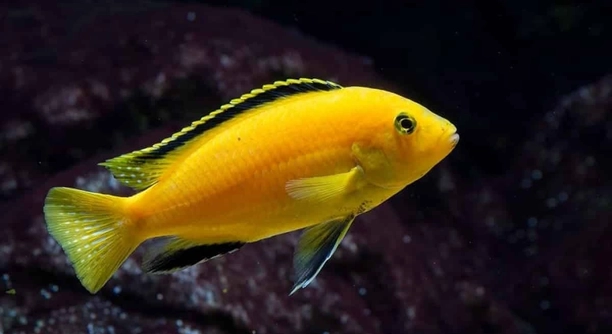
Cichlids are more aware of their surroundings than most people think. They watch their owners closely and can recognize daily routines, feeding habits, and even moods. Their behavior often reflects the care and attention they receive.
Cichlids can learn a surprising amount about their owners, including feeding schedules, hand movements, personality traits, and emotional states. This recognition occurs through repeated interactions and consistent patterns, which help establish trust and familiarity between fish and human caregivers.
Observing these small cues can reveal interesting details about your fish’s intelligence and their subtle ways of communicating. Their interactions often go unnoticed but carry meaningful insights.
Recognizing Feeding Patterns
Cichlids quickly notice when it’s time to eat. They can sense changes in lighting, movements near the tank, and even the sound of food being poured. Over time, they may swim eagerly to the front of the tank when they anticipate feeding. This behavior shows that they link these cues with meals. Many owners notice that their cichlids seem more active and alert around feeding times. This pattern learning helps fish feel secure and reduces stress. Consistent feeding schedules make it easier for them to adjust to daily routines. Some cichlids even begin to expect specific hand movements or gestures that indicate feeding. Their recognition is not random but based on repeated observations. The more consistent the environment, the quicker they adapt to these patterns. Feeding times become a form of interaction that cichlids rely on. Watching them respond to these cues can be surprisingly rewarding for the owner.
Cichlids remember feeding routines through repeated exposure. They associate cues with meals, creating predictable behavior patterns.
Observing your cichlids anticipating food can be fascinating. They may hover near the tank’s surface or follow your hand movements. These responses show their ability to learn from the environment and interactions with humans.
Understanding Emotional Cues
Cichlids can sense the mood of their owner.
Fish respond to calm versus agitated movements differently. When an owner approaches the tank slowly and steadily, cichlids tend to remain relaxed, often swimming near the front and exploring the tank. Rapid, sudden movements or loud noises may cause them to hide or retreat. Over time, cichlids pick up on these subtle cues and adjust their behavior accordingly. This sensitivity to human emotion is particularly noticeable during feeding or cleaning times, when their reactions are more immediate. Owners who handle the tank gently often notice that their fish seem more confident and interactive. Conversely, erratic behavior can make the fish wary and stressed. Understanding these emotional cues helps improve interaction and ensures a more comfortable environment. It also strengthens the bond between the owner and their cichlids, making the tank a calmer and more predictable space. Paying attention to these responses offers insight into how fish perceive human behavior and adapt.
Recognizing Hand Movements
Cichlids react differently to various hand motions near the tank. They can distinguish between feeding gestures and cleaning movements. Over time, they learn which motions are safe and which signal disturbance. This recognition improves interaction and reduces stress during tank maintenance.
Repeated exposure to specific hand movements allows cichlids to form associations quickly. When I approach the tank slowly with a feeding cup, my fish immediately swim toward the surface. If I clean the tank, they hide near rocks or plants, anticipating a change in their environment. They are not just reacting randomly; they are learning from patterns and experiences. This ability highlights their memory and observation skills. Recognizing hand signals is a clear way they communicate trust and caution simultaneously.
Watching cichlids respond to hand gestures becomes a daily small interaction. They seem to “read” intentions through subtle differences in speed, angle, and proximity. Over weeks, their behavior adapts, showing anticipation, caution, or excitement depending on the gesture, which makes caring for them feel more connected and engaging.
Identifying Owners Visually
Cichlids can learn to recognize their owners by sight. They may swim toward familiar faces and respond differently to strangers approaching the tank. This visual recognition shows their ability to distinguish between individuals.
Visual cues, such as posture, height, and facial movements, help cichlids differentiate owners from other people. I noticed that when I stand in front of the tank, my cichlids follow my movements across the glass. They often anticipate feeding or interaction just by seeing me. Strangers approaching the tank rarely elicit the same reaction, which confirms that cichlids associate specific visual patterns with safety and routine. This ability develops gradually through repeated exposure. They are learning a form of recognition that is more complex than simple movement detection. Visual identification strengthens their sense of familiarity and predictability within their environment.
Over time, visual recognition can also influence their social behavior. When they see me, they may become more active, explore territories, or show curiosity. This indicates they distinguish not only between familiar and unfamiliar people but also between different intentions, such as feeding, cleaning, or general observation. Observing these responses can feel surprisingly personal, as if they truly know who is caring for them. Their memory of appearances makes daily interactions smoother and builds a subtle but meaningful connection between owner and fish.
Sensing Voice and Sound
Cichlids respond to familiar sounds, including their owner’s voice. They may become more active or swim toward the tank when they hear a tone they recognize. Sudden loud noises, however, often startle them and cause them to hide.
Over time, they associate specific sounds with feeding or routine interactions. My cichlids react differently when I talk softly versus when someone bangs near the tank. Their responses show that they are not only hearing but interpreting cues linked to daily life. This sensitivity allows them to predict events and adapt behavior, demonstrating their ability to learn from repeated auditory experiences.
Learning Personality Traits
Cichlids pick up on the energy of their owner. Calm, patient behavior encourages them to explore, while hurried or tense movements make them cautious. Observing these traits helps the fish feel secure.
Reacting to Tank Cleaning
Cichlids notice when the tank is being cleaned. They may hide or move cautiously, showing awareness of changes in their environment.
How do cichlids remember their owners?
Cichlids have a strong capacity for pattern recognition. They learn through repeated exposure to daily routines, feeding times, and specific movements. Over time, they begin associating certain gestures, sounds, and visual cues with the presence of their owner. This memory allows them to respond differently to familiar and unfamiliar people. I noticed that my cichlids swim toward me when I approach, even before I open the tank. This shows they retain information about my appearance, hand movements, and even voice tones. Their memory isn’t like a human’s, but it is effective enough for them to predict feeding and daily care activities.
Can cichlids tell the difference between people?
Yes, cichlids can distinguish between familiar and unfamiliar individuals. They notice visual patterns, posture, and hand movements. My fish respond to me by swimming actively or positioning themselves near the front of the tank. When a visitor approaches, they often retreat or remain cautious. This recognition is based on repeated exposure, and the more consistent the interactions, the stronger their ability to differentiate. Even small differences, like height or movement speed, influence how they react. Their awareness helps them feel secure and reinforces predictable routines in the tank.
Do cichlids react to the owner’s mood?
Cichlids respond to calm versus erratic movements. When I move slowly and steadily, they remain relaxed and curious. If I am tense or move suddenly, they often hide or dart around. This shows their sensitivity to human energy. They learn patterns of behavior associated with different moods. Over time, they adjust their responses, becoming more confident with calm, predictable interactions. Understanding this helps me manage their environment better, keeping them comfortable during feeding, cleaning, or observation. Their reactions reveal how much they can pick up from subtle cues in our behavior.
Can cichlids learn feeding schedules?
Cichlids quickly learn regular feeding times. They notice changes in lighting, movement near the tank, and sounds of food. My fish often gather at the surface at the same time every day, anticipating meals. This pattern recognition reduces stress and creates predictability. They even respond to gestures or sounds associated with feeding. Over time, they can distinguish between different types of food, approaching certain meals faster. This learning shows their ability to adapt to repeated routines and reinforces the bond between owner and fish. Consistency in schedule is key to their comfort and behavior.
Do cichlids recognize hand signals?
Yes, they associate hand movements with specific actions. When I approach with a feeding cup, they swim toward the surface. During cleaning, they hide or move cautiously. This recognition develops through repeated exposure. Hand signals become meaningful cues that guide their behavior. Their response to gestures demonstrates observation skills and memory. Over weeks, they can anticipate what each movement means, adjusting behavior accordingly. This makes tank interactions smoother and less stressful for both owner and fish. Paying attention to these cues strengthens familiarity and predictability in their environment.
How do cichlids react to sound?
Cichlids are sensitive to sounds, including the owner’s voice. My fish respond differently to familiar tones compared to loud, sudden noises. Soft talking may make them curious and active, while unexpected sounds startle them. They learn to associate certain sounds with positive events like feeding or interaction. Repeated exposure helps them predict events and feel secure. Their ability to interpret sound adds another layer of awareness, showing that they rely on multiple cues to understand their surroundings and the behavior of their owner.
Can they sense personality traits?
Cichlids respond to the energy of the owner. Calm and patient behavior encourages exploration, while hurried or erratic movements make them cautious. They seem to “read” intentions through movement patterns. Over time, they adjust behavior based on these observations. I noticed my fish are more active and confident when I approach slowly and predictably. Recognizing these personality traits helps maintain a comfortable environment and fosters smoother interactions. Their sensitivity to human behavior highlights how much attention they pay to subtle cues, adjusting responses based on experience and observation.
Do cichlids notice changes during tank cleaning?
Yes, cichlids are highly aware of environmental changes. During tank cleaning, my fish hide or move cautiously, reacting to altered surroundings. They quickly adapt once the process is complete, returning to normal activity. This awareness shows that they monitor changes in their environment carefully and learn to predict potential disturbances. Their reactions during cleaning reflect memory, observation, and adjustment to repeated events. This sensitivity also emphasizes the importance of handling tank maintenance calmly and consistently to minimize stress for the fish.
How long does it take for cichlids to learn about their owner?
The learning process varies depending on consistency and interaction frequency. In my experience, daily exposure to routines, feeding, and gestures allows cichlids to recognize their owner within a few weeks. Repeated, predictable interactions speed up recognition and reduce anxiety. They gradually remember visual cues, hand movements, voice tones, and even personality traits. The more structured the environment, the faster they learn. Observing their responses over time reveals an impressive ability to retain information and adapt behavior based on repeated interactions with the same person.
Can these learned behaviors affect their health?
Yes, predictable routines and positive interactions improve overall well-being. When cichlids recognize their owner and feel secure, stress levels decrease, encouraging natural behavior and healthy appetite. Sudden changes or erratic behavior from the owner can cause anxiety, affecting feeding and activity. Maintaining consistent care promotes both mental and physical health, allowing cichlids to thrive. Over time, these learned behaviors contribute to a more balanced, comfortable environment where fish feel safe and responsive, demonstrating that observation and memory are crucial for their overall welfare.
Caring for cichlids goes beyond simply feeding them or cleaning their tank. These fish are observant and responsive to their surroundings in ways that many owners may not immediately notice. They learn from repeated patterns, like daily routines, gestures, and sounds, and this learning shapes their behavior. Over time, cichlids can recognize the people who care for them and react differently to strangers. They notice subtle cues in movement, voice, and energy, which allows them to feel more secure or cautious depending on the situation. Their ability to observe and respond is a clear sign of intelligence, even in such small creatures.
The interactions between an owner and their cichlids are built on consistency. Feeding at the same time, using gentle gestures, and moving calmly around the tank all create a predictable environment that reduces stress for the fish. When cichlids recognize patterns, they often display behaviors that signal anticipation or comfort, such as swimming toward the front of the tank, following hand movements, or responding to familiar sounds. These small behaviors are important because they reflect how well the fish understand their environment and their human caregiver. Over time, I noticed that the more consistent my actions were, the more confident and active my fish became. They even seemed to “expect” certain events, showing that learning and memory play a role in their daily lives.
Understanding how cichlids learn about their owners can improve both their care and the overall experience of keeping them. Observing their reactions provides insight into their intelligence, personality, and comfort level. Recognizing the signals they give, whether through movement, position in the tank, or response to sound, allows owners to adjust their behavior in ways that benefit the fish. This awareness helps maintain a healthier, calmer tank environment and fosters a subtle but meaningful connection between fish and owner. Treating these behaviors seriously and responding thoughtfully makes caring for cichlids more rewarding and ensures their well-being over the long term. Paying attention to these details also reminds us that even small creatures notice and remember the actions of those around them, creating an unexpected but valuable relationship that can be appreciated every day.

Hello,
If you enjoy the content that we create, please consider saying a "Thank You!" by leaving a tip.
Every little bit helps us continue crafting quality advice that supports the health, happiness, and well-being of pets around the world, for pets of all shapes, sizes, and species.
We really appreciate the kindness and support that you show us!