
Are your aquarium days feeling calm one moment and tense the next? The moods in your tank may be influenced by more than just water conditions and light levels. Certain fish and creatures play a key role.
Some tank mates have a strong effect on the overall mood of your aquarium. Peaceful species like tetras and guppies encourage calm behavior, while more active or territorial fish can create stress. Proper combinations foster a balanced, harmonious environment.
Understanding which species affect behavior and mood can help you maintain a stable and healthy aquarium for everyone involved. Proper choices will benefit both you and your aquatic companions.
Peaceful Schoolers
Small schooling fish like tetras, rasboras, and guppies have a calming effect in aquariums. Their synchronized movements create a sense of order and stability that is visually soothing. When kept in groups, they reduce stress among other tank inhabitants. These species are active without being aggressive, so they coexist well with many community fish. Maintaining proper water conditions and providing hiding spaces ensures their behavior stays consistent and peaceful. The presence of schooling fish often encourages shy species to explore more, enhancing the tank’s overall energy. Their natural tendencies promote a balanced atmosphere where aggression is minimized. Observing a school gliding through the water can be relaxing and satisfying, giving the aquarium a gentle rhythm. In addition, their interaction with plants and décor provides both aesthetic appeal and behavioral enrichment. Regular maintenance and monitoring keep the school healthy and their calming influence steady. These fish are ideal for anyone aiming for a tranquil aquatic environment.
Small schooling fish help maintain calm, structured energy that benefits the entire aquarium ecosystem and encourages positive interactions.
Adding peaceful schoolers requires attention to tank size, number of fish, and water quality. Overcrowding or poor conditions can cause stress, negating their calming effect. Their small size and social nature make them easy to care for, but they thrive best when their environment mimics natural habitats. Providing plants, open swimming areas, and consistent light schedules supports their well-being. A healthy school encourages activity and curiosity among other species, balancing territorial or aggressive tendencies. By selecting compatible companions, you foster harmony and reduce conflict. Observing these fish as they navigate the tank together offers a gentle, almost meditative visual, enhancing your experience as an aquarist. Their calming presence is not just aesthetic; it actively contributes to stable water quality and social dynamics. With proper care, peaceful schoolers sustain a positive, soothing mood that benefits both the fish and the people watching them. They are a simple, effective way to create a lively yet serene aquarium atmosphere.
Territorial Fish
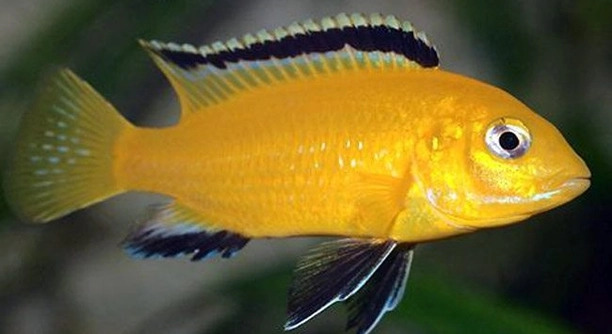
Territorial species like cichlids can raise stress levels if space is limited. Proper planning reduces conflict and tension in the tank.
Cichlids and similar territorial fish need defined areas, hiding spots, and visual barriers to feel secure. Without these, they may display aggressive behavior toward tank mates, creating a tense environment. Selecting compatible species and limiting numbers ensures balance. When space and resources are sufficient, territorial fish add color and dynamic activity without overwhelming peaceful species. Observing their interactions in a well-structured habitat can be fascinating, offering insight into natural behaviors. Careful tank layout, including rocks and plants, gives each fish a sense of ownership while minimizing disputes. Regular monitoring and adjusting decorations prevent conflicts from escalating. With thought-out planning, even highly territorial fish can coexist with calmer species, maintaining a functional and visually appealing aquarium. They contribute both personality and structure, making the tank more engaging while supporting the mood of less dominant fish. Proper care transforms potential aggression into controlled, interesting behavior.
Bottom Dwellers
Bottom-dwelling fish like Corydoras and loaches reduce leftover food and algae, keeping the tank clean and calm. Their constant activity at the substrate level adds balance without disturbing mid- or top-level swimmers.
These fish spend most of their time along the tank floor, scavenging and exploring. They help maintain water quality by consuming uneaten food before it decomposes, which lowers stress from poor water conditions. Corydoras are social, moving in small groups, while loaches can be curious and playful. Their presence encourages other species to stay in their own preferred levels, reducing conflict. Bottom dwellers also interact with the environment, sifting through sand or substrate, which creates natural movement and interest without aggressive encounters. Including plants and hiding spots enhances their comfort and encourages natural behavior.
When cared for properly, bottom dwellers offer both functional and behavioral benefits. They contribute to tank cleanliness, encourage natural activity, and create a peaceful balance that improves the mood of other fish. Monitoring water parameters and ensuring a soft substrate prevents injury and stress. Their gentle presence is unobtrusive, allowing more active species to thrive while maintaining harmony throughout the aquarium. These fish provide subtle entertainment while supporting stability, making them valuable members of any community tank.
Livebearers
Livebearers like guppies and mollies are active, colorful fish that bring energy without aggression. Their constant movement encourages interaction among species and lifts the overall tank mood.
Livebearers reproduce quickly, which can boost population but may require monitoring to prevent overcrowding. Their small size and peaceful temperament allow them to coexist with a variety of other fish. They enjoy planted areas and open swimming spaces, which support natural behavior and reduce stress. Observing their playful activity adds visual interest and a sense of liveliness to the aquarium, influencing the mood of more passive fish. Their adaptability makes them ideal for community tanks.
These fish interact with each other and the environment, exploring nooks and engaging with tank mates. Their colorful appearance draws attention, creating a dynamic and cheerful atmosphere. Regular feeding, maintaining clean water, and providing proper hiding spaces keep livebearers healthy and active. Overcrowding or poor conditions can lead to stress or aggression, so careful monitoring is necessary. They thrive in groups, which amplifies their positive effect on other species. Properly managed, livebearers enhance the aquarium’s energy while maintaining harmony, making them a practical and enjoyable addition for anyone seeking both movement and vibrancy in the tank.
Shy Hiders
Shy fish like kuhli loaches or small catfish prefer hiding among plants and decorations. Their presence adds depth and security to the tank, giving other fish space and reducing overall stress.
These fish encourage a natural rhythm in the aquarium. Watching them emerge gradually can be calming. Providing caves, dense plants, and gentle lighting supports their comfort and allows them to express natural behavior without disturbing other species.
Mid-Level Swimmers
Fish that occupy mid-levels, such as angelfish or rainbowfish, help balance activity between top and bottom dwellers. They reduce overcrowding at any single level and maintain smooth interaction across the tank.
Surface Dwellers
Surface fish like hatchetfish or gouramis interact primarily at the top, adding visual interest while keeping mid- and bottom-level species undisturbed. Their presence supports balance and calmness throughout the aquarium.
How do tank mates influence the mood of my aquarium?
Tank mates can directly impact the overall behavior and stress levels in an aquarium. Peaceful species promote calm, coordinated movement, while aggressive or overly active fish can create tension. The interactions among species at different levels—surface, mid-water, and bottom—help maintain balance. Properly chosen tank mates reduce territorial disputes and encourage natural behavior. Stress from incompatible species can lead to hiding, reduced activity, or even illness, so careful planning is essential. Observation of your fish’s interactions and adjusting the population or layout can maintain a stable and healthy environment for all inhabitants.
Which species are best for a calm aquarium?
Small schooling fish such as tetras, rasboras, and guppies are excellent choices for promoting tranquility. Bottom dwellers like Corydoras and loaches help clean the substrate while staying unobtrusive. Mid-level swimmers like rainbowfish or peaceful angelfish contribute gentle activity without aggression. Surface dwellers, including gouramis and hatchetfish, provide visual interest without disturbing lower levels. Combining these species with compatible behavior and size creates a layered ecosystem where stress is minimized. Providing sufficient hiding spots, plants, and space further supports a calm environment. Regular monitoring ensures that all species continue to coexist peacefully over time.
How can I manage aggressive fish?
Aggressive species like certain cichlids need clearly defined territories and sufficient space to reduce conflicts. Adding rocks, caves, and plants creates visual barriers that limit direct encounters. Keeping aggressive fish in appropriate numbers or in species-specific tanks prevents dominance over peaceful species. Observing behavior allows early intervention if aggression increases. In some cases, rearranging tank decorations or providing additional hiding spots can reduce stress for both aggressive and passive fish. Choosing tank mates that tolerate a slightly dominant presence also helps maintain harmony. Consistent feeding schedules and proper water conditions can further prevent frustration-related aggression.
Do livebearers affect other fish?
Livebearers such as guppies and mollies are active and colorful, which often encourages movement among other species. Their social behavior promotes group cohesion and positive interactions. Overpopulation can become an issue due to frequent breeding, so monitoring numbers is important. Livebearers thrive in planted tanks with open swimming spaces. Their presence can reduce boredom in other fish by adding visual stimulation and gentle activity. Careful planning ensures they enhance the aquarium’s mood without causing stress or competition for resources. Proper hiding spaces and a balanced diet support their health and overall positive influence on tank dynamics.
How do shy or hiding species contribute to aquarium balance?
Shy species like kuhli loaches or small catfish prefer dense plants and decorations for shelter. Their cautious behavior adds depth and security, allowing more active fish to occupy other areas without conflict. Watching these fish emerge gradually encourages observation and adds a calming rhythm to the tank. Providing caves, plants, and gentle lighting supports their natural tendencies while maintaining overall harmony. These species contribute indirectly by reducing crowding and territorial disputes, helping other fish feel secure and confident. A mix of shy and active fish produces a layered ecosystem where every species occupies its niche comfortably.
What should I consider when mixing different tank mates?
Compatibility in temperament, size, and preferred water parameters is crucial. Peaceful, mid-level, bottom, and surface species should complement rather than compete with each other. Aggressive or highly territorial fish may require separate tanks or careful population management. Providing appropriate hiding spots, swimming space, and consistent water conditions ensures reduced stress for all species. Observation and regular adjustments to population or tank layout help maintain balance. Introducing new species gradually allows existing fish to acclimate. Proper care, feeding, and environmental enrichment ensure a harmonious aquarium where each fish can thrive, contributing to an overall positive mood.
How can I tell if tank mates are stressed?
Signs of stress include hiding, reduced activity, loss of appetite, fin clamping, and unusual aggression. Changes in color, erratic swimming, or frequent surface gulping can also indicate stress. Observing behavior across all tank levels—top, mid, and bottom—helps identify the source, whether it is poor water quality, incompatible tank mates, or insufficient space. Early detection allows corrective measures like rearranging decorations, adjusting population, or improving water parameters. Reducing stress not only improves fish health but also maintains the calm and balanced mood of the aquarium, ensuring a stable and pleasant environment for all species.
Choosing the right tank mates is one of the most important steps in creating a balanced and healthy aquarium. Each species has its own behavior, temperament, and preferred habitat level. Some fish are peaceful and calm, encouraging relaxation and harmony, while others can be more active or territorial, creating tension if the space or companions are not suitable. By carefully selecting species that complement each other, you can reduce stress, prevent aggressive encounters, and encourage natural, positive interactions. Small schooling fish, peaceful bottom dwellers, mid-level swimmers, and surface species all contribute to a layered ecosystem, where each level has its own activity and purpose. Providing a mix of these types allows the aquarium to feel more complete, lively, and balanced. A tank with compatible species will display smoother behavior and healthier fish, which ultimately makes maintenance easier and the overall experience more enjoyable. Observing how fish interact over time provides insight into which combinations work best and which adjustments may be needed.
Providing the right environment is just as important as choosing the right tank mates. Adequate hiding spots, plants, rocks, and swimming areas are essential for reducing stress and supporting natural behaviors. Territorial or shy species need areas where they can feel secure, while schooling fish benefit from open spaces that allow them to move together freely. Regular monitoring of water parameters and maintaining proper feeding schedules also play a significant role in promoting a stable and calm mood. Stress in fish often results from overcrowding, incompatible species, or poor water conditions. By paying attention to these factors, you can create an environment that not only meets the physical needs of your fish but also supports their psychological well-being. Healthy fish are more active, colorful, and interactive, which adds visual interest and a sense of calm to the aquarium.
Maintaining a balanced tank is an ongoing process that requires observation, planning, and occasional adjustments. Even with the best selection of tank mates, circumstances may change over time, such as growth, increased activity, or breeding. Monitoring fish behavior and water quality regularly helps identify issues before they escalate, allowing you to act promptly. The goal is to create a space where all species can coexist comfortably, exhibiting natural behavior without stress or conflict. Choosing the right combination of species, providing an appropriate environment, and observing interactions carefully ensures a harmonious aquarium. When these elements come together, the tank becomes a peaceful, engaging space that benefits both the fish and the people watching them, creating a steady and enjoyable mood throughout the habitat.

Hello,
If you enjoy the content that we create, please consider saying a "Thank You!" by leaving a tip.
Every little bit helps us continue crafting quality advice that supports the health, happiness, and well-being of pets around the world, for pets of all shapes, sizes, and species.
We really appreciate the kindness and support that you show us!