How to Know If Rasbora Is Lonely

Have you ever noticed your rasbora swimming alone or acting differently in the tank? Many aquarium owners want to ensure their fish are happy and healthy. Understanding their social needs is important for their well-being and behavior. Rasboras are naturally schooling fish that thrive in groups. When kept alone, they often show signs of loneliness … Read more
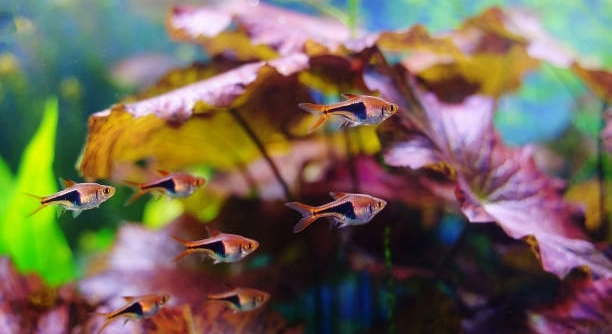
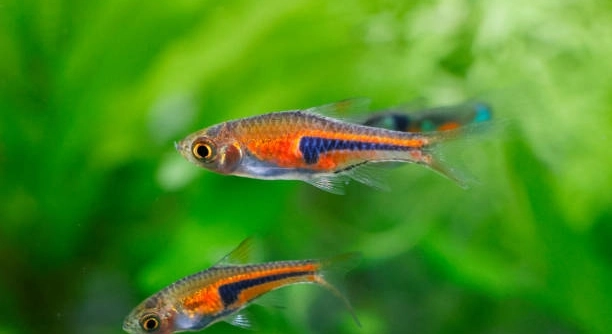
7 Habits of Happy, Healthy Rasbora

Rasboras are small, colorful fish often kept in home aquariums. They bring life and movement to tanks, making them a favorite among fish enthusiasts. Keeping them happy and healthy requires understanding their basic needs and behaviors. Happy, healthy rasboras thrive in clean, well-maintained environments with stable water conditions, balanced nutrition, and appropriate social settings. Proper … Read more

7 Foods That Harm Rasbora Health

Many fish owners enjoy keeping rasboras for their bright colors and peaceful nature. Feeding them a proper diet is essential to maintain their health and vibrant appearance. Some common foods can, however, cause harm if given regularly or in large amounts. Certain foods such as fatty meats, processed human snacks, and foods high in preservatives … Read more

Do Rasbora Recognize Their Owner?

Do you enjoy keeping rasboras as pets and wonder how they interact with their environment? Rasboras are small, peaceful fish often kept in home aquariums. Their behavior can sometimes seem mysterious, especially in how they respond to people around them. Rasboras do not recognize their owners in the way mammals or birds do. Their behavior … Read more

How Rasbora Might Signal Tank Stress

Do you ever notice your Rasboras behaving differently in the tank, swimming erratically or hiding more than usual? Observing these small fish can reveal subtle changes that may indicate stress or environmental issues in your aquarium. Rasboras often display stress through altered swimming patterns, color fading, and reduced activity. Monitoring these behaviors provides a practical … Read more

7 Signs Rasbora Are Competing for Space

Rasbora are popular freshwater fish known for their lively behavior and striking appearance. When kept together in tanks, they sometimes compete for space, which can affect their health and well-being. Recognizing these signs early helps maintain a peaceful environment. Competition among Rasbora occurs when tank space or resources are limited. Signs include increased chasing, fin … Read more

What Rasbora Do When Exploring a New Territory

Exploring new territory is a natural part of a rasbora’s life. These small fish move cautiously, sensing their environment as they swim. Their behavior helps them stay safe while learning about unfamiliar surroundings. When exploring, rasboras exhibit cautious and investigative behavior. They use their keen senses to detect changes in water conditions and potential threats. … Read more

7 Clues Rasbora Are Feeling Energetic

Rasboras are small, active fish that often brighten up home aquariums. Observing their energy levels can help owners understand their health and well-being. Recognizing signs of activity is useful for maintaining a lively tank environment. Rasboras show they are energetic through behaviors such as quick swimming, frequent exploration, lively schooling, active feeding, vibrant coloration, responsive … Read more

Do Rasbora Develop Personality Over Time?

Have you ever watched your rasboras swimming and started to notice little quirks in how each one behaves over time? Rasboras can develop consistent behavioral patterns that resemble personality traits, especially in stable environments. Research in fish cognition suggests that individual differences in activity level, boldness, and sociability may emerge and persist across time. Learning … Read more

Why Rasbora Might Swim Faster Near You

Do you ever find yourself staring at your aquarium, noticing one rasbora zipping around faster than the rest? Maybe even faster than usual? It’s easy to miss, but something interesting might be happening in their watery world. Rasboras may swim faster due to changes in water temperature, tank lighting, or social dynamics. Environmental shifts, especially … Read more