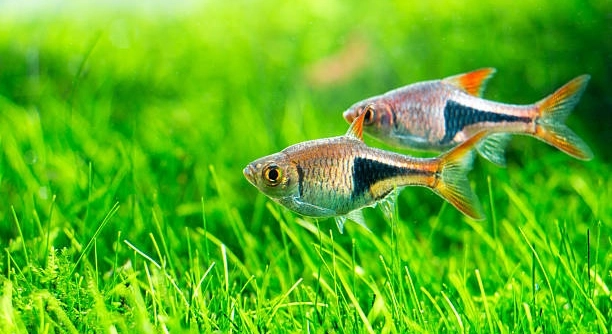
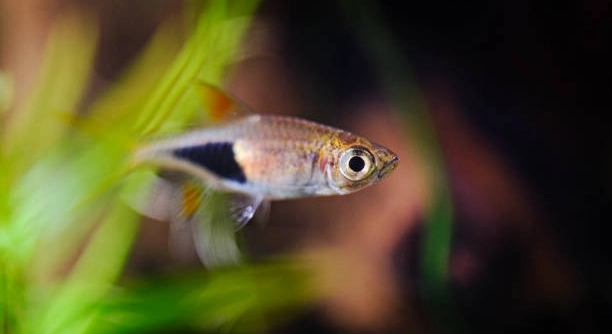
7 Things Rasbora Will Chase (That Aren’t Food)

Do your rasboras sometimes dart around the tank, chasing things that don’t look like food? It can seem confusing at first. Rasboras are naturally active fish, and their chasing behavior often extends beyond food. They may pursue reflections, tank mates, moving shadows, debris, or even air bubbles. This activity is usually harmless but can indicate … Read more
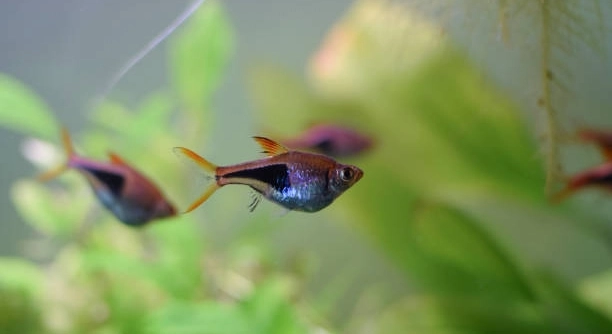
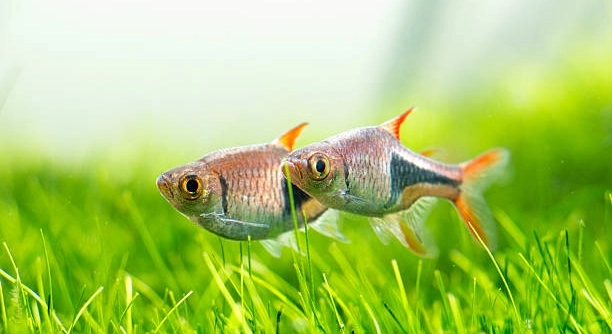
7 Tiny Signs Rasbora Are Settling In

Have you recently added rasboras to your tank and find yourself wondering if they’re finally starting to feel at home? Rasboras that are settling in will display subtle behaviors such as schooling calmly, exploring their surroundings, eating regularly, and maintaining vivid coloration. These signs indicate comfort, reduced stress, and healthy adjustment to their new environment. … Read more

Can Rasbora Sense Human Emotions?

Many people enjoy watching their Rasboras swim gracefully in their aquariums. These small fish often seem aware of their surroundings and the moods around them. Their gentle nature makes them popular pets in many homes. Rasboras do not have the ability to sense human emotions directly. However, they can respond to changes in their environment, … Read more

7 Clues Your Rasbora Are Overcrowded

Are your rasboras showing signs of stress or unusual behavior? Overcrowding is a common issue that can affect their health and well-being. Knowing the clues can help you maintain a balanced and healthy aquarium environment. Overcrowding in rasbora tanks results in limited swimming space, increased waste buildup, and heightened competition for resources. These conditions cause … Read more

Do Rasbora Get Attached to Places?

Do you keep Rasboras in your aquarium and wonder if they develop a preference for certain spots? These small, active fish often swim in specific areas, making many owners think they get attached to places. Understanding their behavior helps create a better tank environment. Rasboras do not form attachments to places in the way mammals … Read more

7 Signs Your Rasbora Trusts You

Rasboras are small, peaceful fish often kept in home aquariums. Watching them closely can reveal how they interact with their environment and their owners. Understanding their behavior helps deepen the connection between you and your pet. Trust in rasboras is shown through specific behaviors such as approaching the owner calmly, responding to feeding, and showing … Read more

What It Means If Rasbora Won’t Join the Group

Do you enjoy keeping a vibrant aquarium but notice one rasbora lingering alone while others swim together? Observing their behavior can be both fascinating and slightly worrying, especially when they seem reluctant to join their group. A rasbora that refuses to join the group may be experiencing stress, illness, or social hesitation. Individual temperament, environmental … Read more

Can Rasbora Get Bored of Their Environment?

Rasboras are small, active fish that many people keep in home aquariums. Their behavior and environment often spark interest among fish enthusiasts. Understanding how these fish interact with their surroundings is important for their care. Rasboras can experience reduced stimulation in a monotonous environment, which may lead to less active behavior. Providing varied tank decorations … Read more

7 Unusual Swimming Styles Rasbora Might Show

Do your rasboras ever swim in ways that seem odd, unexpected, or just a little different from what you’re used to seeing? Rasboras can display unusual swimming styles due to environmental stress, illness, genetic traits, or unique behavioral instincts. Observing these patterns closely helps determine whether the behavior is harmless, temporary, or a sign of … Read more

Do Rasbora Prefer Dim or Bright Corners?

Do you keep Rasbora fish in your aquarium and want to create the best environment for them? Lighting and tank placement can impact their comfort and behavior. Understanding their preference for light conditions helps improve their well-being and display. Rasbora fish generally prefer dim corners rather than bright, well-lit areas. They feel more secure and … Read more