
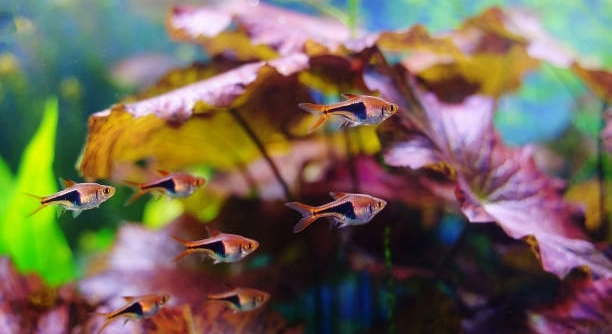
Rasboras are small, colorful fish often kept in home aquariums. They bring life and movement to tanks, making them a favorite among fish enthusiasts. Keeping them happy and healthy requires understanding their basic needs and behaviors.
Happy, healthy rasboras thrive in clean, well-maintained environments with stable water conditions, balanced nutrition, and appropriate social settings. Proper care reduces stress and supports their natural behaviors, contributing to their overall well-being and longevity.
Learning these key habits will help you create a better home for your rasboras and enjoy their vibrant presence for years to come.
Clean and Stable Water Conditions
Rasboras need clean water to stay healthy. Dirty water can cause illness and stress. It’s important to change about 25% of the water in the tank every week. Use a good water filter to keep debris and waste under control. Keep the water temperature steady between 72 and 78 degrees Fahrenheit, as sudden changes can harm the fish. Test the water regularly for pH, ammonia, and nitrite levels. Rasboras prefer slightly acidic to neutral water with a pH around 6.5 to 7.5. Avoid overcrowding the tank, as this can affect water quality and increase stress. Giving your fish a clean, stable environment helps them stay active and vibrant.
Keeping the water clean prevents many health problems and supports their natural behavior.
A well-maintained aquarium mimics the rasboras’ natural habitat, helping them feel safe and comfortable. This reduces stress, which in turn lowers the risk of disease. Stable water also encourages healthy swimming patterns and social interaction among the fish. Regular water testing and timely changes are key to success.
Balanced Nutrition
Rasboras need a balanced diet to grow strong and stay healthy. Feed them high-quality flakes or pellets made for small tropical fish. Include live or frozen foods like brine shrimp or bloodworms to add variety and extra nutrients. Avoid overfeeding, as leftover food can pollute the water quickly. Feed small amounts twice a day, only what they can eat in a few minutes. Variety in their diet helps ensure they get all the vitamins and minerals they need.
A balanced diet supports their immune system and brightens their colors.
Feeding your rasboras well improves their overall health and energy. Nutritious food helps with growth and can prevent common illnesses caused by poor diet. Watching them eagerly eat can also be satisfying and shows they are thriving. Avoid feeding only one type of food, as this can cause deficiencies. Instead, mix flakes, pellets, and occasional live treats. This approach keeps their diet interesting and supports their natural feeding habits. Always remove any uneaten food promptly to maintain water quality and prevent bacteria growth. Proper nutrition combined with good water care creates the best conditions for happy rasboras.
Proper Social Environment
Rasboras are schooling fish that feel safest in groups. Keeping at least six together reduces stress and encourages natural behavior.
A group provides comfort and security, lowering aggression and promoting healthier interactions. When kept alone or in too small a group, rasboras may become shy or stressed, hiding more often. Watching a well-sized school swim together is rewarding and keeps the fish active.
Social interaction helps rasboras develop natural patterns like synchronized swimming. It also supports their mental well-being, reducing chances of illness caused by stress. Ensuring enough space for the group is important; overcrowding can cause fights or poor water quality. A peaceful community tank with compatible species is ideal to maintain harmony.
Proper Tank Setup
Providing plants, hiding spots, and open swimming space creates a balanced environment. Rasboras enjoy shaded areas but need room to swim freely.
Aquatic plants offer shelter and reduce stress by mimicking their natural habitat. Decorations like rocks and driftwood give hiding spots for rest and security. Avoid sharp objects that could injure delicate fins. Open space allows active swimming and social interaction. A balanced setup encourages natural behavior, improving health.
A well-arranged tank supports physical activity and mental stimulation. It also improves water quality by hosting beneficial bacteria on surfaces. The right setup balances comfort with movement, helping rasboras thrive and display their natural beauty.
Consistent Lighting
Rasboras need a regular light cycle to stay healthy. Aim for about 8 to 10 hours of light daily.
Too much light can stress the fish and encourage algae growth. Too little light may affect their natural rhythms and colors.
Regular Monitoring
Checking your rasboras often helps catch problems early. Watch for changes in behavior, appetite, or appearance. Early detection of illness or stress can prevent serious issues.
Maintaining a routine of observation lets you adjust care as needed and keeps your fish thriving.
Avoid Overcrowding
Overcrowded tanks lead to poor water quality and stressed fish. Keep the population suitable for your tank size to ensure a healthy environment.
Gentle Water Flow
Rasboras prefer calm water. Strong currents can tire them out and cause stress, so adjust filters to create gentle flow.
FAQ
How often should I feed my rasboras?
Feeding your rasboras twice a day is usually enough. Give them only what they can eat within 2-3 minutes to avoid leftover food polluting the tank. Small amounts help maintain water quality and prevent overfeeding, which can cause health problems.
Can rasboras live with other fish?
Yes, rasboras do well in peaceful community tanks. Avoid aggressive or very large fish that may stress or harm them. Good tank mates include small tetras, guppies, and other calm species with similar water needs. Keep the tank environment balanced to reduce stress.
What water temperature is best for rasboras?
Rasboras thrive in water between 72°F and 78°F (22°C to 26°C). Maintaining a stable temperature within this range helps their metabolism and immune system. Sudden temperature changes can weaken them and lead to illness.
How often should I change the water?
Changing 20-25% of the water weekly is recommended. This helps keep toxins like ammonia and nitrites low. Regular water changes also replenish minerals and keep the environment stable, supporting your rasboras’ health and comfort.
Why are my rasboras hiding all the time?
Hiding can mean stress, illness, or poor water quality. Check if the tank conditions are right—clean water, proper temperature, and enough hiding spots. Also, ensure they are in a group since rasboras feel safer schooling together.
What causes rasboras to lose color?
Loss of color can be due to stress, poor diet, or illness. Make sure they get a balanced diet and live in a stable environment. Avoid overcrowding and keep water parameters within the proper range. Healthy rasboras show vibrant colors.
Is it necessary to have live plants in the tank?
Live plants are beneficial but not absolutely required. They help improve water quality, provide hiding spots, and create a natural feel. If you use artificial plants, ensure there are enough hiding places to reduce stress.
Can rasboras breed in a home aquarium?
Yes, rasboras can breed if conditions are right. Provide soft, slightly acidic water and plenty of plants or spawning mops. Remove adults after spawning to protect eggs. Breeding may require some extra care but can be rewarding.
How many rasboras should be kept together?
A group of at least six is ideal. Smaller groups may feel insecure and become stressed. Larger groups encourage natural schooling behavior and make the fish more active and lively.
What signs show a rasbora is sick?
Signs include loss of appetite, clamped fins, lethargy, spots or discoloration, and abnormal swimming. Early detection and treatment are crucial. Check water quality first, then consider appropriate medications if necessary.
How do I prevent algae growth in the tank?
Control lighting to 8-10 hours daily and avoid overfeeding. Live plants compete with algae for nutrients, helping reduce growth. Regular water changes and cleaning also keep algae in check.
What is the best tank size for rasboras?
A 10-gallon tank is a good minimum for a small group of rasboras. More space allows better water quality and swimming room. Bigger tanks support larger groups, which helps reduce stress and shows more natural behavior.
Should I use a heater for my rasbora tank?
Yes, a heater helps keep the temperature steady, especially in cooler climates. Rasboras are tropical fish and need warmth to stay healthy and active. Use a reliable heater with a thermostat to avoid sudden temperature shifts.
Can rasboras live without a filter?
A filter is strongly recommended. It removes waste and harmful chemicals, keeps water clear, and provides oxygen. Without a filter, you must do frequent water changes to keep the tank safe and clean.
How do I introduce new rasboras to my tank?
Acclimate them slowly by floating the bag in the tank for about 20 minutes. Then add small amounts of tank water to the bag every few minutes. This reduces stress and helps the fish adjust to new water conditions before release.
Final Thoughts
Taking care of rasboras can be very rewarding when you follow some simple habits. These small fish need clean water, proper food, and a peaceful home to stay healthy and happy. Keeping the tank clean with regular water changes and stable temperature helps prevent many health problems. Feeding a balanced diet twice a day gives them the nutrients they need to grow strong and show their bright colors. A good filter and gentle water flow keep their environment safe and comfortable.
Rasboras also need to be kept in groups of at least six to feel secure. Being with others of their kind helps them reduce stress and act naturally. Providing plants and hiding spots in the tank makes them feel safe and relaxed. It is important to avoid overcrowding because too many fish in a small space can lead to poor water quality and aggression. Watching a group of healthy rasboras swim and interact is a peaceful and enjoyable experience that reflects good care.
Paying attention to their behavior is key to spotting any problems early. If the fish hide often, lose color, or stop eating, it may mean something is wrong with their environment or health. Testing water regularly and keeping it clean will support their well-being. Setting up the tank with the right conditions, feeding properly, and giving them a calm, social environment helps rasboras live longer and happier lives. These small steps make a big difference in keeping your fish thriving and vibrant.

Hello,
If you enjoy the content that we create, please consider saying a "Thank You!" by leaving a tip.
Every little bit helps us continue crafting quality advice that supports the health, happiness, and well-being of pets around the world, for pets of all shapes, sizes, and species.
We really appreciate the kindness and support that you show us!