
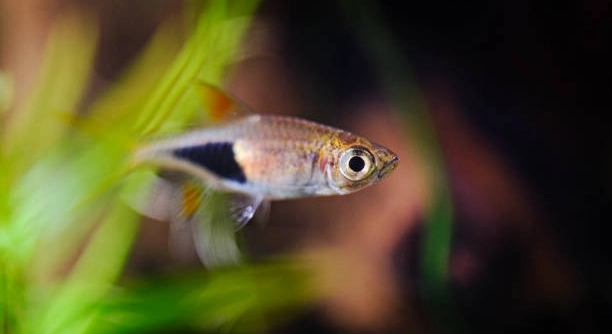
Rasbora are popular freshwater fish known for their lively behavior and striking appearance. When kept together in tanks, they sometimes compete for space, which can affect their health and well-being. Recognizing these signs early helps maintain a peaceful environment.
Competition among Rasbora occurs when tank space or resources are limited. Signs include increased chasing, fin nipping, hiding, reduced feeding, color fading, stress behaviors, and uneven growth rates. Monitoring these behaviors is essential for proper tank management and fish welfare.
Understanding these signs allows fishkeepers to create better living conditions for Rasbora. Proper space management can reduce stress and promote a healthier, more harmonious aquarium environment.
Increased Chasing and Aggression
When Rasbora start competing for space, one of the first noticeable signs is increased chasing. You might see some fish constantly pursuing others around the tank, which creates stress. This behavior is more common in smaller tanks or overcrowded conditions. Aggression can lead to injuries or exhaustion if left unchecked. It’s important to observe your fish carefully and note if chasing becomes more frequent or intense over time. Sometimes, this behavior may be mistaken for normal play, but persistent chasing usually signals a problem. Providing enough hiding spots and space helps reduce aggression. Rearranging decorations can also break established territories and lower tension between fish.
Aggressive chasing is a clear indicator that your Rasbora may need more space or environmental adjustments to reduce stress and conflict.
Addressing this early by increasing tank size or adding plants can restore calmness. Healthy fish are less likely to injure one another, and the overall atmosphere in the tank improves significantly with reduced chasing behaviors.
Fin Nipping and Visible Damage
Fin nipping becomes more common when Rasbora feel crowded or stressed. This behavior results in torn or ragged fins, which can make fish vulnerable to infections. If you notice your Rasbora with damaged fins or missing scales, it’s a sign they are competing aggressively. Fin damage weakens their natural defenses and can slow down their recovery. You should act quickly by assessing tank conditions such as stocking levels and water quality. Removing overly aggressive fish or providing more space can stop fin nipping from worsening. Clean, stable water parameters also help injured fish heal faster and stay healthy.
Fin nipping not only causes physical harm but also affects the fish’s ability to swim properly and feel secure in their environment.
Providing plenty of hiding spots and visual barriers can reduce direct confrontations and make fish feel safer. This strategy often leads to less fin damage and a more peaceful tank overall.
Hiding and Avoidance
Rasbora that compete for space often hide more than usual. They seek shelter to escape aggressive tank mates and feel safer.
Hiding behavior increases when the tank is overcrowded or lacks enough hiding spots. Fish that normally swim openly may suddenly retreat to corners or behind plants. This change can affect their feeding and overall health. Constant hiding is a sign that stress levels are rising. It may lead to weaker immune systems or reduced activity. Improving tank conditions by adding decorations or expanding the tank size helps fish feel secure again.
When fish avoid interaction and stay hidden, it’s important to act quickly. Providing a balanced environment reduces stress and allows all Rasbora to thrive without constant fear of confrontation.
Color Fading and Stress
Color fading in Rasbora is a clear sign of stress caused by space competition. Fish lose their vibrant colors when they feel threatened or uncomfortable in their environment. Stress affects their immune system, making them prone to illness. When colors dull, it’s important to check tank conditions immediately. Poor water quality or insufficient space often cause this. Regular water changes, proper filtration, and reducing tank crowding can improve fish health. Stress relief also comes from providing hiding spots and ensuring all fish have room to swim freely. Monitoring water parameters is essential to prevent long-term damage.
Addressing color fading early helps Rasbora regain their natural appearance and vitality. A calm, spacious tank environment supports better health and a longer lifespan for your fish.
Reduced Feeding Behavior
Rasbora competing for space often eat less. Stress and fear from aggressive tank mates can cause them to avoid food or eat slowly.
This reduction in feeding can lead to poor health and slower growth. It’s important to monitor feeding habits and make sure all fish get enough nutrition despite the competition.
Uneven Growth Rates
When Rasbora compete for space, some may grow faster while others lag behind. Dominant fish often get better access to food and space, leaving weaker ones struggling. Uneven growth is a sign of imbalance within the tank, usually caused by overcrowding or aggression. Adjusting stocking levels and improving tank conditions can help ensure all fish have equal opportunities to thrive and grow.
Stress Behaviors
Stress in Rasbora shows through erratic swimming or gasping at the surface. These behaviors indicate discomfort in their environment.
Addressing stress quickly is key to preventing health issues and maintaining a peaceful tank.
FAQ
How much space do Rasbora need to prevent competition?
Rasbora are small but active fish that need enough room to swim comfortably. A good rule is at least 10 gallons for a small group of 6 to 8 fish. More space helps reduce aggression and competition for territory. Overcrowding often leads to stress and unhealthy behaviors. If you notice signs of fighting or chasing, consider upgrading to a larger tank. Adequate space allows each fish to establish its own territory and reduces conflicts over hiding spots and feeding areas.
Can adding more plants help reduce competition?
Yes, adding live or artificial plants creates hiding spots and visual barriers, which can lower aggression. Plants break up the tank into smaller territories, giving shy or stressed fish places to retreat. This reduces direct encounters and chasing. Plants also improve water quality and create a natural environment, which benefits Rasbora health. When adding plants, make sure to arrange them evenly around the tank to maximize hiding spaces and help all fish feel secure.
What should I do if I notice fin nipping among my Rasbora?
Fin nipping usually signals stress or overcrowding. Start by checking the tank size and stocking levels. If the tank is too small, upgrading to a larger one will help. Improving water quality through regular changes also reduces stress. Providing more hiding spots with plants or decorations gives fish places to escape aggression. If one fish is especially aggressive, consider separating it temporarily or permanently to protect the others. Healthy, stress-free fish are less likely to nip fins.
How can I tell if Rasbora are stressed due to space issues?
Look for signs like color fading, hiding more often, reduced feeding, and erratic swimming. Rasbora under stress may also chase each other excessively or show damaged fins. These behaviors indicate the environment isn’t meeting their needs. Stress weakens their immune system, making them prone to illness. Acting quickly by improving tank conditions can restore balance. Regular observation and good tank maintenance are key to spotting stress early.
Is it normal for Rasbora to hide frequently?
Some hiding is normal, especially if there are plenty of plants or decorations. However, if Rasbora hide most of the time or avoid swimming openly, it may mean they feel threatened. Frequent hiding often results from overcrowding or aggressive tank mates. Adjusting the tank setup or reducing the number of fish can help. Creating a calm environment encourages Rasbora to be more active and show their natural behavior.
How often should I check water quality to reduce competition stress?
Water quality has a big impact on fish health and behavior. Testing parameters like ammonia, nitrites, nitrates, and pH weekly is recommended. Clean water reduces stress and helps injured fish recover faster. Poor water quality can worsen aggression and competition for resources. Consistent maintenance, including partial water changes, keeps the tank stable and comfortable for Rasbora.
Can feeding multiple times a day reduce competition?
Yes, feeding smaller amounts more often ensures all fish get food and lowers competition during feeding time. Rasbora may become aggressive if food is scarce or unevenly distributed. Spreading out feeding sessions allows slower or shy fish to eat without being chased away. Using sinking pellets or spreading flakes helps food reach all parts of the tank. Observing feeding habits helps you adjust the schedule for the best results.
When should I consider separating aggressive Rasbora?
If aggression causes injury, constant chasing, or stress that doesn’t improve after adjusting tank conditions, separation is necessary. Isolating the aggressive fish temporarily can give the tank time to calm down. Permanent separation might be required if the fish continues to harm others. Providing adequate space and hiding spots first can reduce the need for separation. However, protecting the health of all fish is the priority.
Are certain Rasbora species more prone to competition?
Some species, like the Tiger Rasbora or Harlequin Rasbora, tend to be more active and territorial than others. This can increase the chance of competition in smaller tanks. Knowing the species’ behavior helps in planning the tank size and group size. More peaceful species may handle smaller spaces better. Researching your specific Rasbora type allows better care and reduces problems with aggression.
What long-term effects can space competition have on Rasbora?
Chronic competition leads to stress, poor growth, weakened immunity, and increased disease risk. Fish may lose color and become less active. Over time, constant aggression can cause injuries that take longer to heal. Maintaining proper tank conditions and monitoring behavior prevents these problems. Healthy Rasbora live longer and display natural behaviors that make the aquarium enjoyable to watch. Prioritizing space and environment improves their overall quality of life.
When keeping Rasbora, paying attention to their behavior is important for maintaining a healthy tank. Signs of competition, such as chasing, hiding, or fin damage, show that your fish might need more space or environmental changes. These behaviors are natural reactions to stress and overcrowding but can harm the fish if not addressed. Monitoring your Rasbora closely helps you spot problems early and take steps to improve their living conditions.
Providing enough space and hiding spots is key to reducing competition among Rasbora. A tank that is too small or crowded forces fish to compete for territory, food, and shelter. Adding plants and decorations creates areas where fish can retreat and feel safe, which lowers aggression. Regular water changes and good filtration also support fish health and reduce stress. Taking these steps makes the aquarium more comfortable for all the fish and helps them live longer.
Understanding the signs of space competition allows you to keep your Rasbora calm and healthy. Acting early when you notice changes in behavior or appearance can prevent serious health issues. Whether it means upgrading the tank size, rearranging decorations, or adjusting feeding routines, small changes can make a big difference. Keeping Rasbora in a peaceful environment supports their natural behaviors and creates a more enjoyable aquarium for you to watch.

Hello,
If you enjoy the content that we create, please consider saying a "Thank You!" by leaving a tip.
Every little bit helps us continue crafting quality advice that supports the health, happiness, and well-being of pets around the world, for pets of all shapes, sizes, and species.
We really appreciate the kindness and support that you show us!