
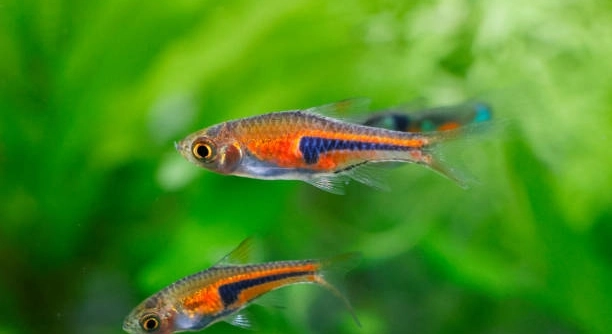
Many fish owners enjoy keeping rasboras for their bright colors and peaceful nature. Feeding them a proper diet is essential to maintain their health and vibrant appearance. Some common foods can, however, cause harm if given regularly or in large amounts.
Certain foods such as fatty meats, processed human snacks, and foods high in preservatives or artificial additives can negatively affect rasbora health. These foods may lead to digestive issues, poor water quality, and increased susceptibility to disease.
Understanding which foods to avoid helps protect your rasboras from common health problems. This guide will provide clear information to support their well-being in your aquarium.
Fatty Meats and Their Impact on Rasbora Health
Feeding fatty meats such as beef, pork, or chicken to rasboras is harmful. These fish have delicate digestive systems designed for small, easily digestible food. Fatty meats can cause digestive blockages and bloating, leading to swim bladder problems. Over time, this can weaken your fish and shorten their lifespan. Additionally, fatty meats often contribute to water pollution in the tank, as uneaten pieces decompose quickly and release harmful substances. This decline in water quality stresses the fish and increases the risk of infections. Even small amounts of fatty meats should be avoided to keep your rasboras healthy and active. A diet based on high-quality fish flakes, frozen or live foods suited for small tropical fish is better. This ensures your rasboras get proper nutrients without the negative effects linked to fatty meats.
Fatty meats disrupt the delicate balance of your aquarium and endanger your fish’s health.
Monitoring food types and maintaining good water quality will support your rasboras’ well-being and prevent common health issues.
Processed Human Snacks
Processed human snacks, including chips, crackers, and cookies, contain high salt, sugar, and artificial additives. These components are toxic to rasboras. Even small amounts can cause stress, lethargy, and damage to their organs. The salt in these snacks can disturb the osmotic balance in the fish’s body, making it difficult for them to regulate fluids properly. Sugars and preservatives can also cause long-term harm to internal organs. Rasboras are not adapted to handle these substances, which may lead to severe health decline or death. If your tank water changes color or smells unusual, it might be because of leftover processed snacks decomposing. Always avoid feeding any human junk food to your fish. Instead, provide specially formulated fish food designed to meet their dietary needs. This will keep your tank environment stable and your fish healthy.
Processed snacks cause stress and organ damage, making them unsuitable for rasboras.
Feeding appropriate fish food supports healthy growth and prevents toxic exposure in your aquarium.
Foods High in Preservatives and Artificial Additives
Preservatives and artificial additives found in many packaged foods are harmful to rasboras. These chemicals can interfere with normal bodily functions and reduce the fish’s ability to fight infections. Many preservatives, such as sulfites and nitrates, are known to degrade water quality rapidly, creating an unhealthy environment. Artificial coloring and flavoring additives can also provoke allergic reactions or behavioral changes. These substances do not provide any nutritional benefit and can accumulate in the fish’s system, leading to chronic health problems. Even if the fish appear fine initially, long-term exposure to these additives weakens their immune system. The safest approach is to feed rasboras fresh or frozen natural foods without additives, like brine shrimp or daphnia. These options support their health while maintaining a clean tank environment. Regular water changes and monitoring are essential to reduce the impact of any accidental contaminants.
Avoiding additives and preservatives helps maintain water quality and fish health.
Choosing natural, additive-free foods promotes longer lifespan and better vitality for your rasboras.
Overfeeding and Its Consequences
Overfeeding rasboras leads to excess waste in the tank, which harms water quality. Uneaten food decomposes quickly, producing toxins like ammonia that stress the fish and promote disease.
Excess feeding causes obesity and digestive issues in rasboras. Their small stomachs cannot process large amounts of food, leading to bloating and constipation. This weakens their immune system and increases vulnerability to infections. Maintaining a controlled feeding schedule with small portions prevents these problems and supports healthy growth.
Overfeeding also accelerates algae growth by increasing nutrient levels in the water. Algae can reduce oxygen availability and degrade the tank’s environment. Regular feeding of appropriate amounts keeps the aquarium balanced, promoting long-term health for your rasboras.
Feeding Live Food Without Proper Care
Live food can carry parasites or bacteria harmful to rasboras if not properly sourced or quarantined. Introducing contaminated live food risks infecting the entire tank. Always ensure live food comes from reputable suppliers and quarantine before feeding.
Proper care when handling live food is crucial to avoid spreading disease. Rinse live food and inspect it carefully before use. Avoid feeding wild-caught live food, which often carries unseen pathogens. Raising your own live food in controlled conditions reduces risk. Proper hygiene during feeding maintains a healthy tank environment and protects your fish from preventable illnesses.
Foods High in Salt
High salt content in food disrupts the delicate balance of electrolytes in rasboras. This causes stress and can lead to dehydration or kidney damage. Salt-heavy foods should never be part of their diet.
Even small amounts of salty snacks or leftovers harm the fish’s health. Maintaining low salt levels protects their natural physiology and prevents common illnesses linked to salt overload.
Uneaten Food and Tank Cleanliness
Uneaten food quickly decomposes and pollutes the water. This raises ammonia and nitrite levels, which are toxic to rasboras. Regular tank maintenance and removing leftover food are essential to keep water safe and fish healthy.
Feeding Bread or Starchy Human Foods
Bread and other starchy human foods lack the necessary nutrients and can cause digestive blockages in rasboras. These foods are difficult for them to digest and may lead to bloating or constipation. Avoid these foods to maintain their digestive health.
Spoiled or Moldy Food
Spoiled or moldy food introduces harmful bacteria and toxins into the tank. Feeding expired or contaminated food can quickly cause illness or death in rasboras. Always check food freshness before feeding.
FAQ
What are the most harmful foods for rasboras?
The most harmful foods include fatty meats, processed human snacks, foods high in preservatives, and anything with added salt or artificial additives. These can cause digestive problems, stress, and water pollution. Rasboras need a diet of natural or specially formulated fish foods to stay healthy.
Can overfeeding really harm my rasboras?
Yes, overfeeding causes excess waste that degrades water quality and leads to ammonia buildup. It also causes obesity and digestive issues in the fish. Feeding small portions once or twice daily helps avoid these problems and keeps your fish active.
Is it safe to feed live food?
Live food is beneficial but only if properly sourced and quarantined. Wild-caught live food may carry parasites or bacteria. Always rinse live food and, if possible, raise your own under controlled conditions to reduce risks.
Are human foods like bread or chips okay for rasboras?
No, human foods like bread, chips, or other starchy snacks lack nutrients and are difficult to digest. They can cause bloating, constipation, and poor health. Rasboras need specialized fish food designed for their digestive systems.
How do preservatives affect rasboras?
Preservatives and artificial additives can weaken the immune system and reduce the fish’s ability to fight infections. They also degrade water quality, making the tank environment unhealthy. Feeding additive-free natural or frozen foods is best.
What should I do if I accidentally feed harmful food?
If harmful food is fed, perform a partial water change immediately to reduce toxins. Remove any uneaten food quickly. Monitor the fish closely for signs of distress and maintain excellent tank hygiene to support recovery.
How often should I feed my rasboras?
Feed rasboras small amounts once or twice a day. They have small stomachs and cannot handle large meals. Overfeeding increases waste and risks health problems. Feeding controlled portions supports proper digestion and water quality.
Can uneaten food cause problems in the tank?
Uneaten food decomposes quickly, releasing ammonia and nitrites, which are toxic to fish. This pollution stresses rasboras and increases disease risk. Always remove leftover food promptly and maintain regular tank cleaning.
Is it okay to feed frozen or freeze-dried food?
Yes, frozen and freeze-dried foods are safe and nutritious when prepared properly. They offer balanced nutrition without the risks of live food contamination. Rehydrate freeze-dried foods before feeding to aid digestion.
How can I improve the diet of my rasboras?
Provide a mix of high-quality flakes, pellets, frozen, or live foods suited to small tropical fish. Avoid human snacks, fatty meats, and foods with additives. Variety supports their nutritional needs and keeps them healthy and vibrant.
Final Thoughts
Taking care of rasboras means paying close attention to what they eat. Feeding them the wrong foods can cause many health problems, from digestive issues to weakened immune systems. Fatty meats, processed snacks, salty foods, and anything with preservatives or artificial additives are harmful to these delicate fish. These foods can also pollute the tank water, making the environment unhealthy for your fish. It is important to provide a diet that matches their natural needs to keep them strong and lively.
A good diet for rasboras includes high-quality fish flakes or pellets designed specifically for small tropical fish. Frozen or live foods, like brine shrimp or daphnia, are also excellent choices, as long as they are clean and free from parasites. Overfeeding should be avoided because it leads to poor water quality and can cause your fish to become overweight or suffer from digestion problems. Feeding small portions once or twice a day is enough to maintain their health without causing harm to the tank.
Maintaining a clean tank and removing uneaten food quickly is just as important as feeding the right food. Dirty water with high levels of ammonia and nitrites can stress your fish and lead to illness. Regular water changes and tank maintenance will help prevent these problems and create a safe environment for your rasboras. By following these simple steps and paying close attention to their diet, you can enjoy healthy, colorful fish for many years. Taking these precautions ensures your rasboras remain happy and vibrant in your care.

Hello,
If you enjoy the content that we create, please consider saying a "Thank You!" by leaving a tip.
Every little bit helps us continue crafting quality advice that supports the health, happiness, and well-being of pets around the world, for pets of all shapes, sizes, and species.
We really appreciate the kindness and support that you show us!