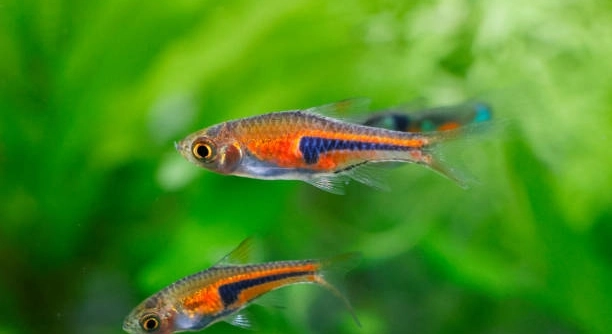
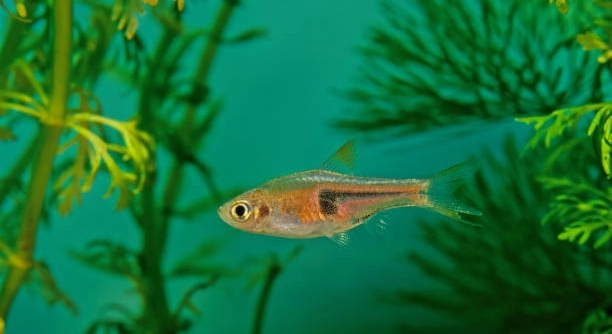
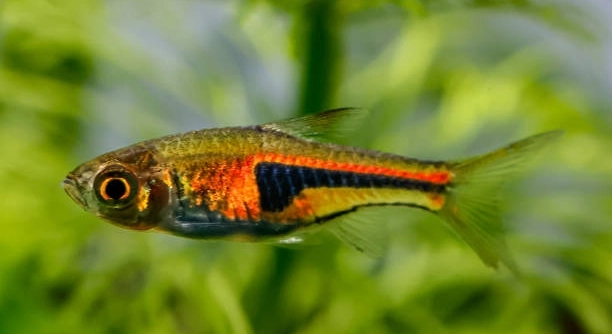
7 Reactions Rasbora Have to Their Reflection
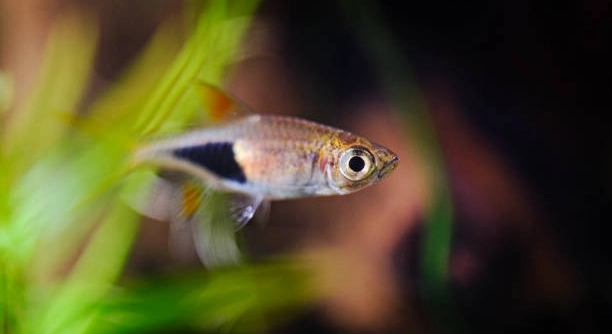
Rasboras are small, colorful fish often kept in home aquariums. They are active swimmers and display interesting behaviors in their environment. One behavior that catches attention is how they react to their own reflection. Rasboras respond to their reflection in various ways, including displaying curiosity, territorial aggression, or social interaction behaviors. These reactions can depend … Read more

Why Rasbora Swim Sideways Occasionally

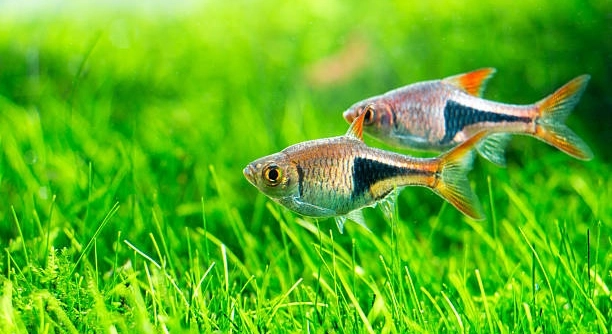
Rasboras are small, colorful fish often seen in home aquariums. They usually swim calmly and in groups. Sometimes, though, they swim sideways, which can catch the attention of many fish enthusiasts and owners. Rasboras swim sideways occasionally due to a condition called swim bladder disorder. This disorder affects their balance and buoyancy, causing them to … Read more

Can Rasbora Live with Neon Tetras?

Rasboras and neon tetras are popular choices for freshwater aquariums. Both species bring vibrant colors and active swimming behaviors. Many aquarists consider housing them together to create a lively and visually appealing tank environment. Rasboras can live with neon tetras under proper conditions, as both species have similar temperaments and water requirements. Maintaining a well-planted … Read more

How Big Should a Rasbora School Be?

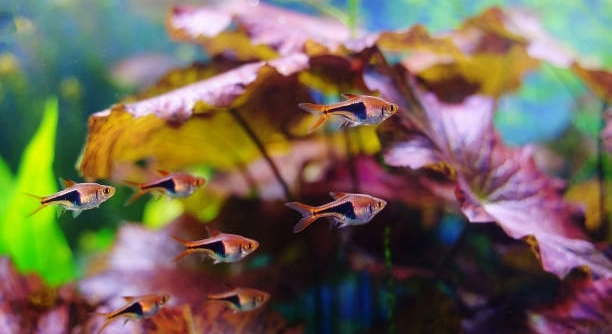
Rasboras are popular small fish that many aquarium enthusiasts enjoy keeping. These peaceful fish thrive best when kept in groups. Knowing how many to keep together is important for their health and happiness in your tank. A proper rasbora school typically consists of at least six to eight individuals. This group size supports natural schooling … Read more

7 Reasons Your Rasbora School Is Breaking

Are your rasbora fish not staying together as a school? It can be frustrating when these small, active fish begin to scatter or behave unusually. Understanding why your rasbora school is breaking can help restore harmony in your aquarium. The main reasons for a rasbora school breaking include stress factors like poor water quality, insufficient … Read more

7 Tank Decorations Rasbora Love the Most

Do you ever find yourself wanting to make your rasboras feel more at home by adding decorations that bring comfort and joy? Rasboras enjoy tank decorations that mimic their natural habitat. Plants, driftwood, rocks, and caves provide hiding places, reduce stress, and encourage exploration. These elements create a balanced environment, supporting both physical activity and … Read more

7 Things That Boost Rasbora Curiosity

Rasboras are small, active fish often kept in home aquariums for their lively behavior and vibrant colors. Their natural curiosity makes them interesting pets that respond to their environment in unique ways. Understanding what sparks their curiosity can enhance their care. Several factors boost rasbora curiosity, including varied tank decorations, gentle water flow, interactive feeding … Read more

Why Rasbora Suddenly Group in Tight Circles

Rasboras are small, active fish often seen swimming in groups. Sometimes, they suddenly gather tightly in circles. This behavior can be surprising to aquarium owners who are used to seeing them spread out or swimming freely. Rasboras group tightly in circles primarily as a defensive response to perceived threats. This schooling behavior helps protect individuals … Read more

7 Clues Rasbora Are Forming a Hierarchy

Have you ever watched your rasboras closely and started to notice subtle changes in their behavior toward one another over time? Rasboras form hierarchies through subtle cues like chasing, positioning, feeding order, and fin displays. These interactions help establish dominance, reduce conflict, and create a stable group dynamic within the aquarium environment. These signals can … Read more

Do Rasbora Prefer Quiet or Activity?

Many aquarium enthusiasts enjoy keeping Rasboras for their vibrant colors and peaceful nature. Understanding their environmental preferences can improve their health and behavior in home tanks. Knowing if they thrive in quiet or active settings helps create a better habitat. Rasboras generally prefer calmer, quieter environments rather than high activity or constant disturbances. Excessive noise … Read more