
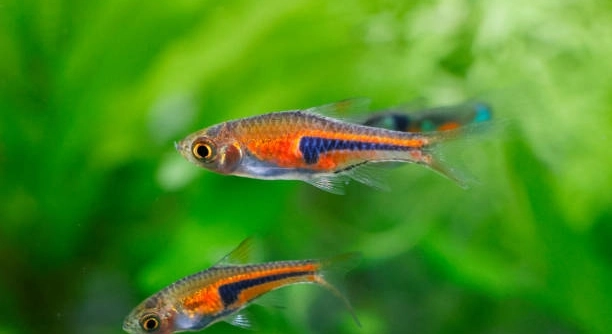
Rasboras are popular small fish that many aquarium enthusiasts enjoy keeping. These peaceful fish thrive best when kept in groups. Knowing how many to keep together is important for their health and happiness in your tank.
A proper rasbora school typically consists of at least six to eight individuals. This group size supports natural schooling behavior, reduces stress, and promotes active swimming, which contributes to their overall well-being and a balanced aquarium environment.
Understanding the right school size helps ensure your rasboras live comfortably and display their best colors and behavior in your aquarium.
Why Rasboras Need to School
Rasboras are naturally schooling fish, meaning they feel safest and most comfortable when in groups. This instinct helps protect them from potential threats in their environment. When kept alone or in too small a group, they often become shy and stressed. Stress in fish can lead to weakened immune systems and a shorter lifespan. In larger groups, rasboras swim together in coordinated patterns, which stimulates their natural behavior and keeps them active. Their colors also appear brighter when they are part of a school, making your aquarium more lively. Observing a school of rasboras darting together can be quite calming and enjoyable to watch. It’s important to replicate this environment in home tanks to support their health and happiness.
Keeping rasboras in appropriate group sizes reduces aggression and encourages social interaction, benefiting all fish in the tank.
Schooling also helps rasboras feel secure, reducing the chances of hiding and inactivity, which are signs of poor health.
How Tank Size Affects Schooling
Tank size plays a crucial role in how many rasboras you can keep comfortably. A small tank limits swimming space and can cause overcrowding if too many fish are introduced. Overcrowded tanks increase waste buildup, which can harm water quality and fish health. For a school of six to eight rasboras, a tank of at least 20 gallons is recommended. This allows enough room for the fish to swim freely and express natural behaviors without stress. Larger tanks can support bigger schools, but it’s essential to balance tank mates and decorations to avoid clutter. Good filtration and regular maintenance are also necessary to keep the environment healthy. The right tank size promotes a stable and balanced habitat, supporting your rasboras’ long-term well-being. Always consider the tank’s dimensions and filtration capacity when deciding on the number of fish.
Choosing a tank with enough swimming space ensures your rasboras remain active, healthy, and vibrant.
Choosing the Right Rasbora Species
Different rasbora species have varying schooling needs and sizes. Harlequin rasboras, for example, are popular and do well in groups of six to eight. Smaller species may require slightly smaller schools, but the minimum group size should never be less than four to prevent stress. Knowing the specific needs of your rasbora species will help you provide the best environment.
Harlequin rasboras are active swimmers and enjoy open spaces. They are peaceful and get along well with other community fish. Their bright orange and black coloring becomes more vivid in proper schools. Other species, like the lambchop rasbora, prefer more planted tanks and slightly smaller groups. Always research the species you choose to ensure compatibility and proper care.
Some rasboras, such as the galaxy rasbora, have delicate care requirements and prefer very stable water conditions. They tend to school tightly and need extra attention to water quality. When selecting rasboras, balance your aquarium setup with their social and environmental needs to keep them healthy and happy.
Feeding Rasbora Schools
Feeding a school of rasboras requires attention to portion size and variety. Overfeeding can lead to poor water quality and health issues, so providing small, frequent meals is best. Rasboras enjoy a mix of flake foods, micro pellets, and live or frozen options like daphnia or brine shrimp.
Maintaining a balanced diet supports their vibrant colors and energy levels. Offering different food types prevents boredom and encourages natural foraging behaviors. Be sure to observe your fish during feeding to ensure all individuals get their share. Uneaten food should be removed promptly to keep the tank clean. Proper feeding routines contribute to the well-being of your rasbora school and overall aquarium health.
Ideal Water Conditions for Rasboras
Rasboras thrive in clean, slightly acidic to neutral water. The ideal temperature range is between 72°F and 79°F. Maintaining stable water parameters helps reduce stress and supports their natural behavior.
Regular water changes and good filtration are essential. Keeping nitrate levels low prevents health problems and keeps your rasbora school active and colorful.
Common Signs of Stress in Rasbora Schools
Signs of stress include hiding, loss of color, and reduced activity. These behaviors often indicate poor water quality, overcrowding, or illness. Early detection helps prevent serious health issues.
Introducing New Rasboras to an Existing School
Introduce new fish slowly by quarantining them first to avoid spreading disease. Add newcomers in small groups to help them adjust and integrate smoothly.
Benefits of a Well-Maintained Rasbora School
A well-maintained school promotes natural behavior, vibrant colors, and a healthy environment. Proper care ensures your rasboras remain lively and add beauty to your aquarium.
FAQ
How many rasboras should I keep together?
Rasboras should be kept in groups of at least six to eight individuals. Smaller groups cause stress and unnatural behavior. Schools this size allow them to feel secure and express natural swimming patterns. Keeping fewer than four can lead to shyness and hiding, which affects their health.
Can rasboras live alone?
Rasboras are social fish and do not thrive when kept alone. A single rasbora tends to be stressed and less active. They rely on their group for safety and interaction. If you want happy and healthy rasboras, always keep them in proper schools.
What size tank is best for a rasbora school?
A minimum of 20 gallons is recommended for a school of six to eight rasboras. This provides enough swimming space and maintains water quality. Larger tanks allow for bigger schools and more decorations without overcrowding. Smaller tanks can cause stress and poor health due to limited space.
What water parameters do rasboras prefer?
Rasboras thrive in water temperatures between 72°F and 79°F with a pH around 6.5 to 7.5. Slightly soft to moderately hard water suits them best. Consistent water quality is important, so regular water changes and filtration are necessary to keep them healthy.
What should I feed my rasbora school?
A varied diet of high-quality flake food, micro pellets, and occasional live or frozen foods like brine shrimp or daphnia is ideal. Small, frequent feedings prevent overfeeding and maintain water quality. Watching your fish during feeding helps ensure all get their share.
How do I introduce new rasboras to my tank?
Quarantine new fish for at least two weeks before adding them to your main tank to prevent disease. Introduce them in small groups to reduce stress and encourage smooth integration with the existing school. Monitor their behavior closely after introduction.
Why do rasboras lose color?
Loss of color often indicates stress, poor water quality, or illness. Overcrowding or improper tank conditions can cause dull colors. Improving water quality, adjusting school size, and providing a balanced diet usually restores their vibrant appearance.
Can rasboras live with other fish?
Rasboras are peaceful and generally get along with other non-aggressive species. Avoid keeping them with large or aggressive fish that may bully or eat them. Suitable tank mates include small tetras, danios, and peaceful bottom dwellers.
What are common signs of illness in rasboras?
Common signs include lethargy, loss of appetite, white spots, frayed fins, and erratic swimming. Early detection and prompt treatment improve recovery chances. Maintaining good water quality and a balanced diet helps prevent many diseases.
How often should I clean my rasbora tank?
Perform partial water changes of about 25% every one to two weeks. Regular cleaning of the substrate and filter helps maintain water quality. Avoid overcleaning to preserve beneficial bacteria needed for a healthy tank environment.
Final Thoughts
Keeping a healthy rasbora school means understanding their natural needs and providing a proper environment. These small fish thrive best when kept in groups of six or more. A well-sized school helps them feel secure, swim actively, and show off their beautiful colors. Without a proper school, rasboras can become stressed and shy, which affects their overall health. It’s important to choose the right number of fish for your tank size to avoid overcrowding. A tank that is too small can cause stress and poor water quality, while a tank that is large enough allows for better movement and a more natural environment.
Water quality and tank maintenance are also key factors for a happy rasbora school. Keeping the water clean with regular changes and proper filtration supports their well-being. Rasboras prefer slightly acidic to neutral water with stable temperature ranges, so monitoring these parameters is essential. Feeding them a varied diet helps maintain their energy and vibrant colors. Small, frequent feedings prevent overfeeding, which can harm water quality. Paying attention to their behavior and appearance will help you spot any signs of stress or illness early on.
Finally, introducing new rasboras should be done carefully to avoid upsetting the existing school. Quarantining new fish before adding them to the tank and introducing them gradually helps reduce stress and keeps the school stable. Rasboras are peaceful fish and can live well with other calm species, but their social needs should always come first. Providing a balanced environment and paying attention to their schooling habits will result in a lively, healthy group of fish that can brighten your aquarium for years to come.

Hello,
If you enjoy the content that we create, please consider saying a "Thank You!" by leaving a tip.
Every little bit helps us continue crafting quality advice that supports the health, happiness, and well-being of pets around the world, for pets of all shapes, sizes, and species.
We really appreciate the kindness and support that you show us!