
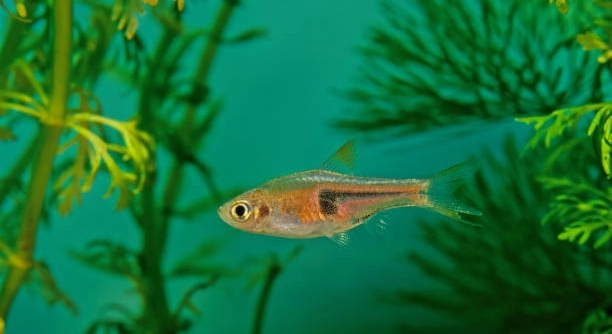
Are your rasbora fish not staying together as a school? It can be frustrating when these small, active fish begin to scatter or behave unusually. Understanding why your rasbora school is breaking can help restore harmony in your aquarium.
The main reasons for a rasbora school breaking include stress factors like poor water quality, insufficient group size, incompatible tank mates, lack of hiding spots, improper lighting, inadequate diet, and sudden changes in the environment. Each factor disrupts their natural schooling behavior and social cohesion.
Knowing these causes will help you maintain a healthy, vibrant rasbora school. Addressing the underlying issues can improve their well-being and bring your aquarium back to life.
Poor Water Quality
Poor water quality is one of the most common reasons a rasbora school breaks apart. These fish are sensitive to changes in water parameters such as ammonia, nitrite, nitrate, and pH levels. If these chemicals build up or fluctuate too much, it stresses the fish and causes them to scatter or hide. Regular water testing and maintenance are essential to keep the water stable and safe. In addition to chemical balance, temperature plays a key role. Sudden temperature changes or water that is too cold or warm can affect their behavior. Using a good filtration system and performing partial water changes weekly helps maintain a healthy environment. Keep in mind that overcrowding and overfeeding can also degrade water quality quickly, so avoid adding too many fish or feeding more than necessary. Monitoring water quality consistently helps keep rasbora schools together and active.
Testing water regularly allows early detection of harmful levels. This helps prevent stress and encourages schooling behavior. Keeping the tank clean supports their natural social habits.
Maintaining stable water conditions also promotes better health and reduces the risk of disease. When the environment is right, rasboras feel safe and confident to swim together in groups. Avoiding rapid water changes and using dechlorinated water makes a big difference. Consistent care leads to a peaceful, thriving school.
Insufficient Group Size
Rasboras are schooling fish and need to be kept in groups of at least six to feel secure. When the group is too small, they become anxious and scatter because they lack the social signals that schooling provides. This lack of safety in numbers causes them to act nervously or hide. Even if the tank size is small, it is better to keep a minimum number to maintain natural behavior. The more fish you have, the more comfortable they will be moving in unison. Group size directly influences their stress levels and activity. When the school breaks, it is often because there are not enough members for them to interact with properly.
Smaller groups increase stress and reduce natural schooling patterns, causing separation.
Adding more rasboras gradually, while observing their behavior, helps rebuild the school dynamic. Ensure your tank has enough space for the group to swim freely. Avoid mixing too many species to keep the social environment stable. Overcrowding with other fish can also disrupt schooling, so balance is important. When you provide the right number of companions, rasboras show their full schooling behavior, making the tank lively and beautiful.
Incompatible Tank Mates
Aggressive or overly active fish can disturb rasbora schools. When tank mates chase or nip at them, rasboras feel unsafe and scatter. Peaceful, small fish work best to maintain a calm environment for schooling behavior.
Choosing compatible species is essential for a balanced tank. Rasboras do well with calm fish like small tetras or Corydoras catfish. Avoid large or territorial fish that cause stress or competition. Stress from aggressive tank mates often causes rasboras to hide or break their school. The presence of peaceful companions encourages their natural social patterns.
If problems arise, consider rearranging the tank or separating aggressive fish. Plants and decorations offer hiding spots to reduce tension. Properly selected tank mates allow rasboras to thrive and display schooling behavior without interruption.
Lack of Hiding Spots
Rasboras need places to retreat when they feel threatened. Without enough hiding spots, they become anxious and less likely to stay together. Dense plants, rocks, or decorations help them feel secure and maintain group cohesion.
Providing hiding spots improves comfort and reduces stress in the aquarium. When rasboras feel safe, they show stronger schooling behavior and move confidently in groups. Lack of shelter can cause them to scatter or stay near the bottom, avoiding open spaces. Aquascaping with plants like Java moss, floating plants, or tall stems works well. Rocks and caves also create refuge areas. The right tank layout supports natural behavior by balancing open swimming areas with safe retreats. Adding these features encourages rasboras to stick together and display their vibrant schooling patterns.
Improper Lighting
Too much or too little light can disturb rasbora behavior. Bright lights often stress them, causing the school to break as they seek shaded areas. Dim, natural lighting encourages calm and group cohesion.
A balanced lighting schedule mimics their natural environment. Using timers helps keep light consistent, reducing sudden changes that upset the fish. Soft, indirect light works best for rasboras.
Inadequate Diet
A poor diet can weaken rasboras, making them less active and less likely to school properly. Feeding a varied diet with quality flakes, pellets, and occasional live or frozen food supports their health and social behavior.
Sudden Changes in Environment
Rasboras react strongly to rapid changes, such as moving the tank, adding new fish, or altering water conditions suddenly. These shocks cause stress and cause the school to break until they adjust.
Keeping changes gradual and monitoring fish behavior closely helps maintain stability and schooling.
FAQ
Why do rasboras break their school suddenly?
Rasboras can break their school suddenly due to sudden stress factors. This could be a rapid change in water temperature, the introduction of new fish, or sudden loud noises near the tank. Any sudden disruption to their environment makes them anxious and more likely to scatter.
How many rasboras should I keep together?
Rasboras should be kept in groups of six or more to maintain natural schooling behavior. Smaller groups often feel insecure and break apart easily. A larger school promotes safety and social interaction, reducing stress and encouraging lively swimming patterns.
What water parameters do rasboras prefer?
Rasboras thrive in clean, slightly acidic to neutral water with a pH between 6.0 and 7.5. The temperature should be stable, ideally between 72°F and 78°F (22°C to 26°C). Maintaining low levels of ammonia and nitrites is essential to avoid stress.
Can tank mates affect my rasbora school?
Yes, aggressive or very active tank mates can disturb rasboras. Fish that chase or nip at rasboras cause them to scatter and hide. Peaceful species such as small tetras, danios, or Corydoras catfish work well with rasboras to maintain a calm and cohesive environment.
How often should I change the water in my rasbora tank?
A weekly partial water change of about 20-30% is recommended to maintain good water quality. Regular changes help remove toxins and keep nitrate levels low, reducing stress and supporting healthy schooling behavior.
What should I feed my rasboras?
A varied diet including high-quality flakes, micro pellets, and occasional live or frozen foods like daphnia or brine shrimp keeps rasboras healthy. Good nutrition helps maintain energy and natural behavior, including schooling.
Why do rasboras hide instead of schooling?
Rasboras hide when they feel unsafe or stressed. Common causes include poor water quality, aggressive tank mates, or lack of hiding spots. Providing plants and decorations for shelter helps them feel secure and encourages schooling.
How can I reduce stress in my rasbora tank?
Maintain stable water parameters, avoid sudden changes, keep appropriate group sizes, and choose compatible tank mates. Adding hiding places also reduces stress by offering refuge during perceived threats.
Is tank size important for keeping rasboras?
Yes, tank size matters. A minimum of 10 gallons is recommended for a small school, with larger tanks preferred for bigger groups. More space allows natural swimming and schooling, reducing stress and aggression.
Can lighting affect rasbora behavior?
Improper lighting can stress rasboras. Too bright or flickering lights make them anxious and break the school. Soft, natural lighting with a consistent schedule helps them feel safe and encourages schooling. Using timers can ensure light remains consistent daily.
Final Thoughts
Keeping a healthy rasbora school requires attention to several important factors. Water quality should always be monitored and maintained through regular testing and water changes. Stable water parameters reduce stress and keep the fish comfortable. Without clean, balanced water, rasboras will struggle to stay together and display natural schooling behavior. Temperature, pH, and toxin levels all play a role in their overall health. Making sure these stay within the ideal range is a basic step for any rasbora keeper.
Group size is also crucial for maintaining a strong school. Rasboras are social fish that depend on their companions for safety and confidence. Keeping at least six individuals helps them feel secure and encourages natural swimming patterns. Smaller groups or lone fish often become stressed and stop schooling. Along with the number of fish, the presence of compatible tank mates is important. Aggressive or overly active fish disrupt the peaceful environment rasboras need to thrive. Selecting calm, small species promotes harmony and allows the school to flourish.
Finally, the tank setup can affect rasbora behavior. Providing plenty of hiding spots, such as plants and decorations, offers security and reduces anxiety. Lighting should be soft and consistent to avoid startling the fish. Feeding a varied and balanced diet supports their energy and well-being, encouraging them to be active and swim together. Sudden changes in the tank should be avoided or introduced slowly to minimize stress. By paying attention to these details, you can help your rasbora school stay healthy, happy, and united in your aquarium.

Hello,
If you enjoy the content that we create, please consider saying a "Thank You!" by leaving a tip.
Every little bit helps us continue crafting quality advice that supports the health, happiness, and well-being of pets around the world, for pets of all shapes, sizes, and species.
We really appreciate the kindness and support that you show us!