
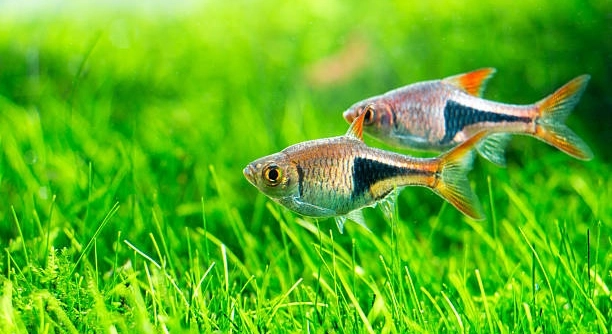
Rasboras and neon tetras are popular choices for freshwater aquariums. Both species bring vibrant colors and active swimming behaviors. Many aquarists consider housing them together to create a lively and visually appealing tank environment.
Rasboras can live with neon tetras under proper conditions, as both species have similar temperaments and water requirements. Maintaining a well-planted tank with ample swimming space reduces stress and promotes peaceful coexistence.
Understanding how to balance their needs will help create a harmonious community tank where both species thrive comfortably.
Temperament and Behavior Compatibility
Rasboras and neon tetras generally share a peaceful temperament, making them suitable tank mates. Both species are schooling fish, which means they feel more comfortable and secure in groups. Rasboras tend to be slightly more active swimmers, while neon tetras have a calmer, more steady movement. This difference rarely causes conflict, as neither species is aggressive or territorial. However, it is important to provide enough space and hiding spots in the aquarium to reduce any potential stress. Overcrowding can lead to stress-related behaviors, even in peaceful fish. Observing their interactions during the first few days is helpful to ensure they adapt well to one another. A well-planted tank with gentle water flow will support their natural behavior and create a balanced environment where both species can thrive.
A tank with sufficient swimming space and plants encourages peaceful coexistence between rasboras and neon tetras.
Water parameters, tank setup, and compatible behavior are key to success in keeping these species together.
Water Requirements and Tank Conditions
Rasboras and neon tetras share similar water preferences, which simplifies tank maintenance. Both species thrive in slightly acidic to neutral pH levels, usually between 6.0 and 7.0. Temperatures from 72°F to 78°F are ideal for their comfort and health. Clean, well-filtered water with moderate flow is important to replicate their natural environment. Regular water changes help maintain water quality, reducing the risk of illness. Both fish prefer tanks with plenty of plants, which provide shelter and mimic their native habitats. Soft to moderately hard water supports their physiological needs. While neon tetras are a bit more sensitive to water quality changes, careful monitoring benefits both species. Avoiding sudden fluctuations in temperature or pH will reduce stress and support healthy growth. Maintaining consistent conditions allows rasboras and neon tetras to coexist peacefully without compromising their health or behavior.
Feeding Habits of Rasboras and Neon Tetras
Both rasboras and neon tetras are omnivores that eat small insects, larvae, and plant matter in the wild. They accept a variety of foods in captivity, including flakes, pellets, and frozen or live options like brine shrimp and daphnia. Feeding small portions multiple times a day helps keep them healthy and active.
Providing a balanced diet tailored to both species supports their nutritional needs. Rasboras may prefer slightly larger particles, while neon tetras often favor smaller flakes or micro pellets. Variety in their diet prevents boredom and ensures they receive all necessary nutrients. Avoid overfeeding, as leftover food can pollute the tank.
Maintaining a regular feeding schedule benefits both species’ digestion and behavior. Feeding in groups helps reinforce schooling behavior and reduces competition. Fresh, high-quality food and clean water keep rasboras and neon tetras thriving together in the same tank.
Tank Size and Population Considerations
A minimum tank size of 20 gallons is recommended for housing rasboras and neon tetras together. This provides enough space for swimming and reduces territorial stress. Keeping at least six individuals of each species supports their natural schooling instincts and helps maintain balance in the tank.
Overcrowding should be avoided, as it can cause stress, aggression, and water quality issues. Consider tank filtration and maintenance routines when deciding the number of fish. Providing plenty of plants and decorations creates hiding spots and helps disperse the fish evenly throughout the aquarium. Proper stocking ensures a peaceful community tank where both species can live comfortably.
Ideal Tank Setup
A well-planted tank with plenty of hiding spots is essential for both rasboras and neon tetras. Live plants, driftwood, and smooth rocks create a natural environment that helps reduce stress and encourages natural behavior.
Soft substrate and moderate lighting complement the tank setup. Avoid bright, harsh lights that can cause discomfort. Gentle water flow mimics their natural habitat and supports their swimming patterns.
Compatibility with Other Species
Rasboras and neon tetras generally get along with other peaceful community fish. Avoid aggressive or overly large species that may intimidate or harm them. Suitable tank mates include small catfish, guppies, and peaceful bottom dwellers.
Common Health Concerns
Both species are prone to stress-related illnesses if tank conditions are poor. Ich and fin rot are common diseases caused by poor water quality or overcrowding. Prompt treatment and maintaining good water conditions help prevent outbreaks.
Breeding Rasboras and Neon Tetras
Breeding requires specific water conditions and careful separation of adults and fry. A dedicated breeding tank with soft, acidic water is recommended for successful spawning.
FAQ
Can rasboras and neon tetras live together peacefully?
Yes, rasboras and neon tetras can live together peacefully. Both species share similar temperaments and water requirements, which makes them compatible tank mates. Providing enough space, hiding places, and stable water conditions helps reduce stress and encourages harmony between the two.
What size tank is needed for rasboras and neon tetras?
A minimum of 20 gallons is recommended when keeping rasboras and neon tetras together. This size gives both species enough room to swim freely and reduces territorial behavior. It also allows space for plants and decorations, which offer shelter and break up lines of sight.
Do rasboras and neon tetras require the same water conditions?
Yes, both prefer slightly acidic to neutral pH levels between 6.0 and 7.0, with temperatures ranging from 72°F to 78°F. Clean, well-filtered water and moderate flow replicate their natural habitats and support their health.
How often should I feed rasboras and neon tetras?
Feeding small portions two to three times daily is ideal. Both fish benefit from a varied diet that includes flakes, micro pellets, and occasional live or frozen foods. Overfeeding should be avoided to maintain good water quality.
Can rasboras and neon tetras be kept with other fish?
They are peaceful fish and do well with other non-aggressive species like small catfish, guppies, or peaceful bottom dwellers. Avoid larger or aggressive fish that might bully or eat them.
What are signs of stress in rasboras and neon tetras?
Signs include hiding excessively, loss of appetite, clamped fins, or erratic swimming. Stress often results from poor water quality, overcrowding, or incompatible tank mates. Regular monitoring helps detect these signs early.
How do I prevent diseases in these fish?
Maintaining stable water conditions and avoiding overcrowding are key. Regular water changes and proper filtration reduce the risk of common diseases like ich and fin rot. Quarantining new fish before adding them to the main tank is also recommended.
Is breeding rasboras and neon tetras difficult?
Breeding can be challenging but doable with the right conditions. Both require soft, slightly acidic water and a separate breeding tank to protect eggs and fry. Frequent water changes and dim lighting improve spawning success.
Do rasboras and neon tetras need special lighting?
Moderate lighting is best. Bright lights can stress the fish and encourage algae growth. Using live plants helps create shaded areas, making the tank environment more comfortable for both species.
Can these fish tolerate different water hardness levels?
They prefer soft to moderately hard water. Extreme hardness or very high mineral content may cause stress or health problems over time. Regular testing and adjustment help maintain optimal conditions.
What decorations work best for a tank with rasboras and neon tetras?
Natural decorations like live plants, driftwood, and smooth rocks provide shelter and mimic their native habitats. These additions encourage natural behavior and reduce stress by offering hiding places and breaking lines of sight.
How many fish should be kept together?
It’s best to keep at least six of each species to support their schooling instincts. Larger groups also help distribute social interactions, reducing stress and aggressive behavior within the tank.
Are rasboras or neon tetras more sensitive to water quality?
Neon tetras tend to be more sensitive, especially to sudden changes in water parameters. Both species benefit from stable, clean water, but extra care should be taken with neon tetras to prevent illness.
Can rasboras and neon tetras adapt to new environments quickly?
They can adapt well if changes are gradual. Sudden shifts in temperature, pH, or water hardness can cause stress. Acclimating fish slowly to new tanks or water conditions improves their chances of adjusting successfully.
What is the average lifespan of rasboras and neon tetras?
Both species typically live around 3 to 5 years with proper care. Good water quality, proper diet, and a stress-free environment help maximize their lifespan.
Should I use a heater in the tank?
Yes, since both species prefer tropical temperatures, a reliable aquarium heater is necessary. Maintaining stable temperature within their preferred range prevents stress and supports overall health.
How important is tank maintenance for these fish?
Regular tank maintenance is crucial. Weekly water changes, cleaning substrate, and monitoring water parameters keep the environment healthy. Consistent care helps prevent disease and promotes long-term well-being for rasboras and neon tetras.
Are rasboras and neon tetras good for beginners?
Yes, both are considered good beginner fish due to their peaceful nature and relatively simple care requirements. However, maintaining stable water conditions and proper tank setup is important for success.
What are the differences between rasboras and neon tetras?
Rasboras tend to be slightly larger and more active swimmers, while neon tetras are smaller and have a calm swimming style. Their coloration and patterns also differ, with neon tetras showing bright blue and red stripes and rasboras exhibiting more subtle tones.
How do I introduce rasboras and neon tetras to the same tank?
Introduce them slowly and simultaneously if possible. Ensure the tank is fully cycled and stable before adding fish. Monitor their behavior closely during the first days to spot any signs of aggression or stress early.
Is it necessary to quarantine rasboras and neon tetras?
Yes, quarantining new fish for at least two weeks helps prevent disease transmission to established tank inhabitants. This step is especially important when adding fish from different sources.
Rasboras and neon tetras are two of the most popular small fish for community aquariums. Their peaceful nature and similar water requirements make them a common pairing in many tanks. When properly cared for, these fish can live together comfortably without issues. Both species enjoy swimming in groups, which adds vibrant movement and color to the aquarium. A well-maintained tank that meets their needs can create a calm and visually appealing environment. While they are different species, their compatibility is supported by their shared habits and temperaments, making them a good match for a peaceful freshwater community.
To ensure a healthy coexistence, it is important to maintain the right tank conditions. Rasboras and neon tetras thrive in slightly acidic to neutral water with stable temperatures between 72°F and 78°F. Providing plenty of plants and hiding places helps reduce stress and allows both species to display their natural behaviors. Regular water changes and careful monitoring of water quality prevent many common health problems. Feeding a balanced diet with a variety of foods keeps both fish strong and vibrant. Attention to tank size and population density is also key, as overcrowding can lead to stress and aggression, even in peaceful fish.
Overall, keeping rasboras and neon tetras together requires consistent care and attention to their environment. They do best in a spacious, well-planted tank with stable water parameters and good filtration. Proper feeding and routine maintenance support their health and longevity. When these conditions are met, these fish can coexist peacefully, adding beauty and life to the aquarium. Their compatibility makes them a great option for hobbyists looking to build a colorful, low-stress community tank that is enjoyable to watch and easy to care for.

Hello,
If you enjoy the content that we create, please consider saying a "Thank You!" by leaving a tip.
Every little bit helps us continue crafting quality advice that supports the health, happiness, and well-being of pets around the world, for pets of all shapes, sizes, and species.
We really appreciate the kindness and support that you show us!