
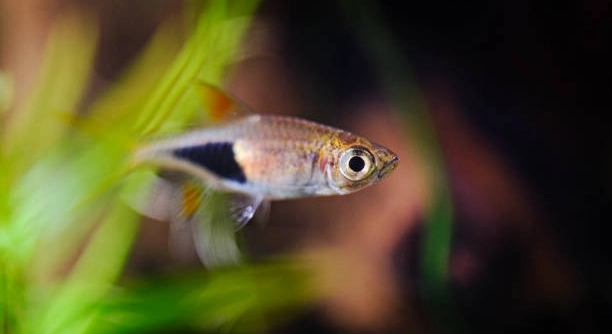
Rasboras are small, colorful fish often kept in home aquariums. They are active swimmers and display interesting behaviors in their environment. One behavior that catches attention is how they react to their own reflection.
Rasboras respond to their reflection in various ways, including displaying curiosity, territorial aggression, or social interaction behaviors. These reactions can depend on factors such as species, tank setup, and individual temperament. Understanding these responses offers insight into their natural instincts.
Observing how rasboras react to reflections can reveal much about their behavior and help improve their care in aquariums.
Curiosity and Exploration
Rasboras often show curiosity when they see their reflection. They may swim closer, circle around, or inspect the mirrored image with small, quick movements. This reaction is common in many fish, as they try to understand what they are seeing. Sometimes, they seem to recognize the reflection as another fish, prompting interest but not aggression. This behavior can be a sign that the fish is comfortable in its tank environment. It also indicates that rasboras use visual cues to interact with their surroundings and other fish. Watching these curious behaviors can be enjoyable and help owners learn more about their pet’s nature. However, too much interaction with a mirror can stress some fish, so it’s important to monitor their response and adjust accordingly.
Some rasboras may lose interest quickly, while others continue to investigate for longer periods.
Reflection triggers exploration instincts, encouraging rasboras to engage actively with their environment. This natural curiosity supports mental stimulation and helps maintain their overall well-being in captivity.
Territorial Behavior
When rasboras encounter their reflection, some may show territorial behavior. This includes flaring fins, rapid swimming, or attempting to chase the image away. These actions come from the fish interpreting the reflection as an intruder in their space. Territorial responses tend to be stronger in males or during breeding seasons. If the reflection appears repeatedly, the fish can become stressed, which might affect its health over time. Tank owners should be careful with mirrors or shiny surfaces, as constant exposure can cause frustration or aggression. Providing plenty of hiding spots and enough space reduces territorial disputes. Observing this behavior helps understand the social dynamics of rasboras and how they establish boundaries in their habitat.
Territorial reactions help rasboras protect their space but can become harmful if prolonged.
Managing tank conditions and minimizing stressful reflections ensures rasboras stay calm and healthy, maintaining a peaceful aquarium environment.
Social Interaction
Rasboras sometimes treat their reflection as another fish, showing social behaviors like swimming side by side or mirroring movements. This can be a sign of their natural schooling instinct.
These social reactions happen because rasboras are schooling fish that feel safer and more confident when they are with others. Seeing their reflection might trick them into thinking another fish is nearby, which can reduce stress and encourage interaction. This behavior can be helpful for single fish in tanks without companions, giving them a sense of presence. However, it’s important not to rely on reflections as a substitute for real tank mates.
While social interaction with reflections can appear positive, it should not replace proper group care. Rasboras thrive best in groups, so keeping multiple fish together is key to their well-being and happiness.
Stress and Fatigue
Constant exposure to their reflection can cause stress in rasboras, leading to fatigue and reduced activity. This stress can impact their immune system.
Prolonged interaction with a mirror or reflective surface may confuse rasboras, making them believe an intruder is always present. This triggers repeated defensive or investigative behaviors, which tire them out over time. Stress from reflections can cause changes in appetite, color fading, or hiding. It is important to observe your fish and limit mirror exposure if signs of stress appear. Creating a comfortable, low-stress environment with plenty of plants and hiding places helps rasboras feel secure and reduces unnecessary fatigue from reflections.
Balancing stimulation with calm surroundings allows rasboras to maintain their energy and health, avoiding negative effects caused by too much reflection interaction.
Aggressive Displays
Rasboras may show aggressive displays toward their reflection, such as flaring fins or quick darting movements. This behavior is a defensive response to what they perceive as a rival.
These aggressive reactions are more common in males and during breeding periods. It is their way of protecting territory and asserting dominance within the tank.
Mirror Fatigue
Repeated exposure to their reflection can tire rasboras, causing what is known as mirror fatigue. This can reduce their normal activity levels and make them less responsive to their environment.
Mirror fatigue results from continuous stress and confusion when the fish cannot resolve the presence of the reflection. Over time, it can lead to withdrawal and less interaction with tank mates or surroundings. Managing mirror exposure is important to prevent this condition and keep rasboras healthy and active.
Recognition Ability
Rasboras generally do not recognize their reflection as themselves. Instead, they see it as another fish in the tank.
FAQ
Why do rasboras react to their reflection?
Rasboras react to their reflection because they often mistake it for another fish. Their natural instincts make them respond with curiosity, social behavior, or aggression. These reactions are ways to explore their environment or protect their territory. Since they are schooling fish, seeing what looks like a companion or competitor can trigger these behaviors.
Is it harmful for rasboras to see their reflection?
Seeing their reflection occasionally is usually not harmful. However, constant exposure can cause stress and fatigue. Prolonged stress may weaken their immune system and lead to health problems. It’s important to limit mirror exposure and watch for signs of distress like hiding, color loss, or reduced activity.
How can I tell if my rasbora is stressed by its reflection?
Signs of stress from reflections include frantic swimming, aggressive chasing of the mirror, hiding for long periods, and loss of appetite. They may also appear dull in color or less active overall. If you notice these signs, reduce exposure to reflective surfaces and add plants or decorations for hiding spots.
Should I use mirrors to entertain my rasboras?
Using mirrors occasionally can provide mental stimulation and reduce boredom. But it should not be used for long periods because it may cause stress or aggressive behavior. Mirrors are not a substitute for real tank mates. Rasboras thrive best when kept in groups, so focus on providing companions rather than relying on reflections.
Do all rasboras react the same way to their reflection?
No, reactions can vary by species and individual temperament. Some rasboras are more curious and gentle, while others may become territorial or aggressive. Environmental factors like tank size, decorations, and the presence of other fish also influence their behavior toward reflections.
Can reflection reactions be reduced or controlled?
Yes, you can control reactions by limiting mirror exposure and creating a comfortable tank environment. Adding plants, rocks, and hiding spots helps reduce territorial behavior and stress. Ensuring enough space and keeping a proper group size also helps rasboras feel secure and less likely to respond strongly to reflections.
Do rasboras recognize themselves in mirrors like some animals do?
Rasboras do not recognize themselves in mirrors. Unlike some higher animals, fish generally see reflections as other fish, not themselves. This lack of self-recognition explains their social, curious, or aggressive responses to their reflections.
Is it better to keep rasboras in groups rather than alone?
Yes, rasboras are schooling fish that feel safer and more comfortable in groups. Being in a group reduces stress and encourages natural behaviors. Keeping them alone can lead to loneliness or boredom, making them more likely to interact with reflections excessively.
What should I do if my rasbora becomes aggressive toward its reflection?
If your rasbora shows aggression toward reflections, reduce exposure by covering reflective surfaces or moving the tank away from bright lights that cause glare. Adding tank mates or rearranging decorations can help distract and calm the fish. Monitoring their behavior closely is important to prevent ongoing stress.
Can reflections affect breeding behavior in rasboras?
Reflections can sometimes trigger breeding behaviors like displaying or chasing if the fish mistake the image for a rival or potential mate. However, prolonged mirror exposure may increase stress, which can negatively affect breeding success. Providing real companions and a proper environment is better for breeding.
Rasboras show a variety of reactions when they see their reflection, from curiosity to aggression. These behaviors come from their natural instincts and how they perceive their environment. Understanding these reactions can help aquarium owners provide better care. It’s important to remember that while reflections can sometimes entertain or stimulate the fish, they are not the same as real tank mates. Rasboras rely on social interaction with other fish, so keeping them in groups is always best for their well-being.
Constant exposure to a reflection can cause stress for rasboras, which may affect their health and behavior over time. Signs like hiding, reduced activity, or aggression indicate that the fish may be overwhelmed. To prevent this, it’s helpful to limit mirror exposure and create a calm environment. Adding plants, decorations, and enough swimming space helps rasboras feel safe and reduces the chance of aggressive or tiring behavior caused by reflections. Monitoring your fish regularly allows you to adjust their environment and keep them comfortable.
Taking the time to observe how your rasboras react to reflections provides insight into their personality and needs. Each fish is unique, so their responses may differ. Being aware of these behaviors supports better tank management and promotes a healthier, happier life for your fish. When you create a balanced environment with proper social groups and minimal stress, rasboras can thrive and show their natural, peaceful nature.

Hello,
If you enjoy the content that we create, please consider saying a "Thank You!" by leaving a tip.
Every little bit helps us continue crafting quality advice that supports the health, happiness, and well-being of pets around the world, for pets of all shapes, sizes, and species.
We really appreciate the kindness and support that you show us!