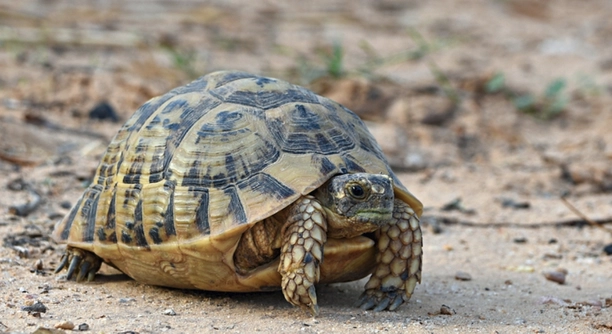
Why Is My Russian Tortoise’s Tail Always Tucked In?
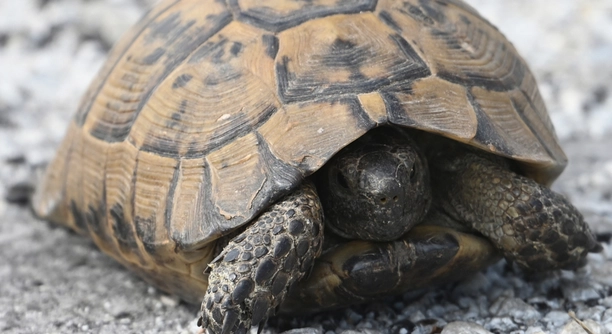
Russian tortoises are fascinating pets with distinct behaviors that can sometimes leave owners puzzled. One such behavior is when your tortoise’s tail is consistently tucked in. Understanding this behavior can help you care for your pet better. The primary reason your Russian tortoise’s tail is always tucked in is due to their natural defense mechanism. … Read more

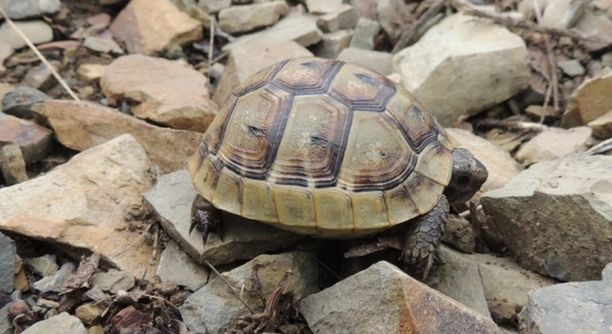
7 Easy Upgrades for a Russian Tortoise’s Habitat

Caring for a Russian tortoise requires a thoughtful approach to their environment. A few small changes can significantly improve their quality of life. These simple upgrades can help ensure your tortoise thrives in its habitat. Seven easy habitat upgrades for your Russian tortoise include adjusting their substrate, improving lighting, adding hides, creating climbing structures, offering … Read more

How to Tell If Your Russian Tortoise Is Getting Too Much Protein

Feeding a Russian Tortoise can sometimes be tricky, especially when it comes to balancing their diet. One common concern among owners is how much protein their tortoises should be getting. Too much protein can lead to health problems. Excessive protein intake in Russian Tortoises can result in shell deformities, kidney damage, and other health issues. … Read more

Why Does My Russian Tortoise Keep Trying to Eat Its Own Poop?

Russian tortoises are fascinating pets, and like all reptiles, they have unique behaviors. If you’ve noticed your tortoise eating its own poop, you’re probably wondering why. Let’s explore this curious behavior. Your Russian tortoise eating its own feces is a common behavior known as coprophagy. This can occur for several reasons, including nutritional deficiencies, boredom, … Read more

7 Mistakes That Can Lead to a Russian Tortoise Getting Sick

Russian tortoises are fascinating pets that require careful attention to their health. There are several factors that can make them unwell if not properly managed. Knowing the common mistakes to avoid is essential for their well-being. Several mistakes can lead to a Russian tortoise becoming sick, including improper diet, inadequate habitat, lack of proper hydration, … Read more

Why Is My Russian Tortoise Making Hissing Sounds?

Russian tortoises, like many reptiles, communicate in various ways. If you’ve noticed your tortoise making hissing sounds, you might be wondering what’s going on. This behavior can often be a sign of certain natural responses or needs. Hissing in Russian tortoises is most commonly associated with stress, fear, or an attempt to establish dominance. They … Read more

7 Ways to Keep a Russian Tortoise Entertained in Captivity

Keeping a Russian Tortoise entertained in captivity is important for their mental and physical health. These curious reptiles enjoy activities that engage them, and it’s essential to provide variety in their environment. The key to keeping a Russian Tortoise entertained is offering different stimulating activities like exploring new objects, foraging for food, and providing spaces … Read more

How to Choose the Right Type of Water Dish for a Russian Tortoise

Choosing the right water dish for your Russian Tortoise is important for both its hydration and safety. Proper water management ensures your tortoise stays healthy and comfortable in its environment. To select the right water dish for your Russian Tortoise, choose a shallow, stable dish that is easy for your tortoise to access without the … Read more

Why Does My Russian Tortoise Keep Backing Up Into Things?

Russian tortoises are unique pets with fascinating behaviors. If your tortoise keeps backing up into things, it’s important to understand why this might be happening. This behavior can seem puzzling, but there is often a simple explanation. The most common reason your Russian tortoise backs up into objects is due to its natural behavior. Tortoises … Read more