
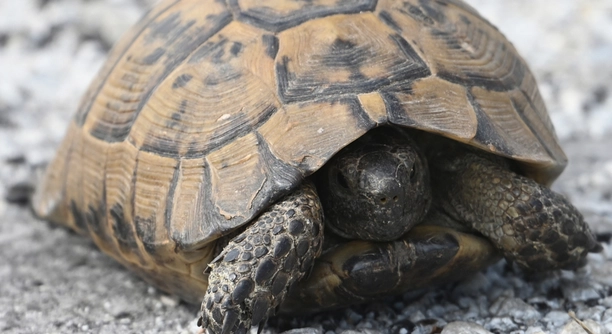
Russian tortoises are fascinating pets with distinct behaviors that can sometimes leave owners puzzled. One such behavior is when your tortoise’s tail is consistently tucked in. Understanding this behavior can help you care for your pet better.
The primary reason your Russian tortoise’s tail is always tucked in is due to their natural defense mechanism. When they feel threatened or stressed, they pull their tail in as a way to protect themselves.
This article will explore the reasons behind this behavior and offer tips to ensure your Russian tortoise remains comfortable and happy in its environment.
Why Do Russian Tortoises Tuck Their Tails In?
Russian tortoises are known for their calm and reserved nature. However, they can display a range of behaviors that might seem puzzling at first. One of these behaviors is when they constantly tuck their tails in. This is a natural and protective response that happens when they feel stressed or threatened. In the wild, their instinct is to retreat into their shells for protection. The tail being tucked in is a sign of their desire to stay safe and hidden. This behavior is often seen when they’re exposed to unfamiliar surroundings or situations.
It’s important to observe how often your tortoise tucks its tail in, as it could indicate something about its current environment. If this behavior occurs frequently, it may be worth checking if there are any stressors present that could be affecting your tortoise’s comfort.
Your tortoise might also tuck its tail in simply because it feels insecure or anxious. A sudden change in habitat, such as moving to a new tank, might trigger this response. Other environmental factors, such as noise or unfamiliar smells, could also cause your tortoise to retreat. Maintaining a peaceful, familiar setting helps your tortoise feel safe and relaxed. Ensuring they have a proper hiding spot, and that their habitat is secure, can reduce this stress.
How Can You Help Your Russian Tortoise?
If your tortoise is frequently tucking its tail in, making some adjustments to its environment can be helpful. Try reducing stress factors and providing a more comfortable, quiet space for it. It’s also a good idea to observe if this behavior occurs more during specific times of the day or when certain factors are present.
By paying close attention to your Russian tortoise’s habits, you can create a more welcoming atmosphere that promotes relaxation and reduces fear. If you notice a persistent issue with your tortoise’s behavior, consulting with a vet can ensure its health and well-being.
Stress Factors Affecting Your Tortoise
Russian tortoises are sensitive to changes in their environment. Even small disturbances, like loud noises or new pets in the house, can make them anxious. Stress is one of the most common reasons for the tail-tucking behavior. Keeping their surroundings calm and predictable helps them feel safe and secure.
To reduce stress, it’s important to maintain a quiet environment for your tortoise. Avoid sudden movements or loud sounds near their habitat. Place their enclosure in a less-trafficked area of your home, away from direct sunlight or drafty spots. When introducing new elements to their space, do so slowly to avoid overwhelming them.
Changing their environment too often can also cause distress. Try to keep their living area consistent and introduce any new elements gradually. Make sure they have enough hiding spots, as this allows them to retreat when feeling anxious. If your tortoise feels safe and comfortable, the tail-tucking should reduce significantly over time.
Health-Related Issues
Sometimes, a tucked tail can indicate an underlying health problem, such as injury or infection. If the tail-tucking behavior persists or seems to be accompanied by other signs like lethargy or changes in appetite, it’s essential to consult a vet. Health issues, though less common, shouldn’t be ruled out.
If your tortoise is feeling unwell, it might tuck its tail in as part of its natural defense response. Illness or injury can make them more sensitive to their environment, causing them to retreat further into their shell. In these cases, a visit to a reptile vet will help diagnose any medical issues.
The sooner you spot symptoms and take action, the better. Regular checkups and a good diet are key to preventing health-related concerns. If the tail remains tucked despite no clear cause, it could be a sign that your tortoise needs professional care to ensure it stays healthy.
Temperature and Humidity
Russian tortoises are sensitive to temperature changes. If their habitat is too hot or too cold, it can cause stress, leading to behaviors like tail-tucking. It’s important to keep their environment within the ideal temperature range of 75-85°F during the day and a slight drop at night.
Maintaining proper humidity levels is also essential. A dry environment can be uncomfortable for your tortoise, leading to stress. Aim for humidity between 40-60% for a comfortable living space. Use a hygrometer to monitor the humidity and adjust it as needed.
Tank Size and Layout
A small or cramped tank can contribute to stress in your tortoise, making them more likely to tuck their tail in. Ensure their enclosure is large enough for them to roam comfortably. A 40-gallon tank or larger is recommended, depending on the size of your tortoise.
Providing a varied tank layout with hiding spots, rocks, and safe places to dig can help your tortoise feel more secure. Avoid overcrowding the tank with too many items, as this can limit space and create stress. A spacious, thoughtfully arranged tank allows your tortoise to explore and retreat as needed.
Diet and Nutrition
Diet plays a major role in your tortoise’s overall well-being. An unbalanced or improper diet can cause discomfort, leading to behavioral changes, including a tucked tail. Offer a variety of leafy greens, high-fiber plants, and limited fruit to meet their nutritional needs.
Overfeeding or offering the wrong foods can cause digestive issues. Always ensure the food is fresh and free from pesticides. Providing a calcium supplement can also promote shell health and prevent bone problems. A proper diet ensures that your tortoise feels healthy, happy, and less stressed.
FAQ
Why does my Russian tortoise hide all the time?
Hiding is a natural behavior for Russian tortoises, especially when they feel stressed or threatened. If your tortoise hides frequently, it could be a sign they are seeking comfort and safety. This behavior is common when they are adjusting to a new environment or when they feel insecure. To make your tortoise feel more at ease, provide multiple hiding spots, and avoid loud noises or sudden movements around their enclosure.
How can I tell if my tortoise is stressed?
Stress in a Russian tortoise can manifest through behaviors like hiding, excessive tail-tucking, lethargy, or a lack of appetite. If your tortoise is hiding more than usual, or if you notice changes in its eating habits or activity levels, it could be stressed. Pay attention to the environment—too much noise, unfamiliar scents, or changes in temperature can all contribute to stress. Ensuring a stable and comfortable habitat will help your tortoise feel secure.
Is it normal for my Russian tortoise to bury itself?
Yes, it is normal for Russian tortoises to dig and bury themselves. They are naturally burrowers, and they often dig to create a cool, safe space. If your tortoise is burying itself in its tank, it could be simply seeking comfort, security, or a cooler temperature. As long as the tank environment is suitable, this behavior is typical. Ensure the substrate in their tank is deep enough to allow for digging and that they have access to a hideout.
What temperature is best for my Russian tortoise?
The ideal temperature for a Russian tortoise’s enclosure is between 75-85°F during the day, with a slight drop at night to around 70°F. Having a heat source, like a heat lamp, is necessary to provide warmth, but avoid creating hotspots that are too hot, as this could stress your tortoise. Maintaining a stable temperature helps your tortoise stay healthy and reduces the likelihood of stress behaviors.
Can my tortoise’s tail-tucking behavior be a sign of illness?
While tail-tucking is most commonly a sign of stress or anxiety, it can sometimes be a symptom of an illness or injury. If your tortoise is also showing signs like lethargy, loss of appetite, or difficulty moving, it’s important to seek veterinary care. A professional will be able to rule out health issues like infections or internal problems that might be causing discomfort.
What are the signs that my tortoise is dehydrated?
Dehydration in a tortoise can cause lethargy, dry or sunken eyes, and a lack of appetite. If your tortoise is not drinking water or seems less active than usual, it may be dehydrated. To help, make sure your tortoise has access to fresh water at all times. You can also offer soaked greens, which can provide extra hydration. If dehydration persists, contact a vet.
How often should I feed my Russian tortoise?
Adult Russian tortoises typically need to be fed once a day. Their diet should consist mainly of leafy greens, such as collard greens, dandelion greens, and romaine lettuce. You can offer them some vegetables and small amounts of fruit occasionally. It’s important not to overfeed, as obesity can lead to health issues. A proper diet will help keep your tortoise healthy and active.
What type of substrate should I use in my tortoise’s enclosure?
A good substrate for a Russian tortoise’s enclosure is one that allows for burrowing and is easy to clean. Options like organic soil, coconut coir, or a mix of soil and sand work well. Avoid using pine or cedar wood chips, as they can be harmful to your tortoise. The substrate should be deep enough to let your tortoise dig comfortably and should be kept dry to prevent mold.
Is it necessary to provide UVB lighting for my Russian tortoise?
Yes, UVB lighting is crucial for your Russian tortoise’s health. UVB light helps them produce vitamin D3, which is necessary for calcium absorption and shell health. Without proper UVB lighting, your tortoise can develop metabolic bone disease, which is painful and harmful. Make sure to provide a UVB lamp in their enclosure, and replace it every 6 to 12 months, as the effectiveness of these bulbs can decrease over time.
How can I tell if my Russian tortoise is too hot or too cold?
A tortoise that is too hot may show signs of restlessness, excessive drinking, or even trying to escape from the heat source. If it’s too cold, your tortoise might become lethargic, refuse to eat, or huddle in a corner. To avoid these issues, ensure that there is a temperature gradient in the enclosure, with a warm basking area and a cooler zone. Your tortoise should be able to regulate its body temperature by moving between these areas.
How can I tell if my Russian tortoise is healthy?
A healthy Russian tortoise will be active, alert, and eating regularly. It will have bright, clear eyes, a smooth, hard shell, and move without any signs of limping or discomfort. If your tortoise is not eating, has cloudy eyes, or shows signs of lethargy, it may be unwell. Regular checkups with a vet are important to maintain your tortoise’s health and ensure it is living in the best conditions.
Final Thoughts
Understanding why your Russian tortoise tucks its tail in is key to making sure it stays healthy and happy. Often, this behavior is a sign that your tortoise is feeling stressed or threatened. Factors like changes in its environment, improper temperature, or even too much noise can cause this reaction. By creating a stable, quiet space for your tortoise and offering hiding spots, you can help reduce its anxiety and encourage more natural behavior. Always keep in mind that tortoises are naturally shy and prefer a calm setting to feel safe.
However, it’s also important to recognize when the tail-tucking could be related to something more serious, like illness or injury. If your tortoise is showing other signs, such as loss of appetite or lethargy, it might be worth consulting a vet. Regular health check-ups can catch any underlying issues early, ensuring that your tortoise leads a long, healthy life. Additionally, always monitor their diet, hydration, and overall activity level to make sure they’re not experiencing any discomfort that might lead to behavior changes.
Overall, your Russian tortoise’s well-being depends on providing the right environment and taking care of its basic needs. By ensuring proper habitat conditions—temperature, humidity, and diet—you can help your tortoise feel comfortable and secure. Remember that their tail-tucking behavior is often a natural response to stress or a need for protection, but with attention and care, you can reduce this behavior and make your tortoise’s life a little easier.

Hello,
If you enjoy the content that we create, please consider saying a "Thank You!" by leaving a tip.
Every little bit helps us continue crafting quality advice that supports the health, happiness, and well-being of pets around the world, for pets of all shapes, sizes, and species.
We really appreciate the kindness and support that you show us!