
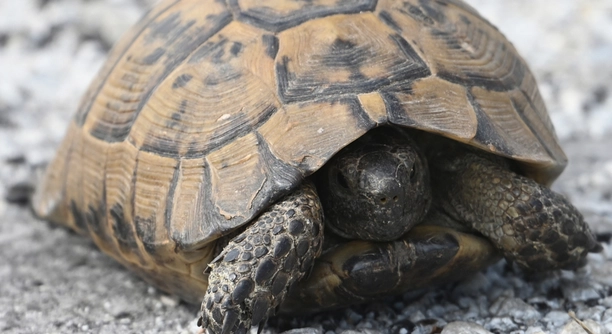
Caring for a Russian tortoise requires a thoughtful approach to their environment. A few small changes can significantly improve their quality of life. These simple upgrades can help ensure your tortoise thrives in its habitat.
Seven easy habitat upgrades for your Russian tortoise include adjusting their substrate, improving lighting, adding hides, creating climbing structures, offering water sources, managing temperature, and ensuring safe outdoor time. These changes contribute to a more enriching environment.
Simple adjustments can make a world of difference for your Russian tortoise. Improving their habitat will lead to a happier and healthier life. Each upgrade ensures your pet’s needs are met for both comfort and safety.
Substrate Matters
Choosing the right substrate for your Russian tortoise is essential for their comfort and health. A soft, natural surface will allow them to dig and burrow, replicating their natural habitat. Avoid materials like sand that could cause digestive problems if ingested. Coconut coir, aspen, or a mix of organic soil and grass hay are better options. These provide the ideal texture for your tortoise to move around in while helping to retain humidity, which is important for hydration and skin health.
You should also avoid using any substrate treated with chemicals. These can be harmful to your tortoise’s health, so stick to natural, untreated materials. Make sure to regularly clean and replace the substrate to keep their environment fresh and healthy.
The right substrate can have a big impact on your tortoise’s well-being. A suitable material will allow them to carry out their natural behaviors and feel secure in their habitat. Maintaining the right environment can also prevent certain health issues, like respiratory problems or skin shedding issues.
Lighting and Heating
Proper lighting and heating are crucial for your tortoise’s health. They require both UVA and UVB lighting to maintain strong bones and a healthy immune system. A basking lamp should also be set up to ensure they have a warm spot for thermoregulation.
Keeping a temperature gradient in the habitat, with one warm area and one cooler area, lets your tortoise regulate its body temperature naturally. Maintaining the right levels of heat and light will mimic the environment they would encounter in the wild, helping them stay active and healthy. If you’re unsure of your current setup, investing in a reliable thermometer and UVB light is a good place to start.
Without proper lighting and heating, your tortoise could become lethargic or develop bone issues due to lack of vitamin D3. UVB light helps them process calcium properly, and a stable temperature ensures they can digest food and stay active.
Hiding Spots
Russian tortoises need hiding spots for both security and comfort. They are naturally shy and prefer to retreat into a sheltered space when they feel threatened. Adding small caves, logs, or rocks into the habitat gives them a place to hide and feel safe.
Ensure the hides are large enough for your tortoise to move around in but small enough to feel secure. Consider placing them in the cooler part of the habitat, allowing your tortoise to seek refuge from the heat when needed. These hides also provide a sense of privacy, allowing your tortoise to rest undisturbed.
In the wild, tortoises often hide from predators or seek shelter from the sun. Replicating this behavior in their home environment is important for their mental well-being. Providing hiding spots is a simple but essential step to make sure your tortoise feels relaxed and comfortable.
Climbing Structures
Adding climbing structures can provide enrichment and exercise for your tortoise. Low ramps, rocks, and safe wood pieces can encourage climbing, helping to build strength and coordination. These structures mimic the varied terrain they would encounter in the wild.
Be mindful of the height of the climbing elements. Too high, and they may become risky; too low, and they won’t offer the challenge your tortoise needs. Positioning climbing elements near basking spots or hideouts can help them move freely between different areas of their habitat.
Allowing your tortoise to climb can also enhance their mental stimulation. It gives them a chance to explore and stay active, which contributes to overall health. This activity will also help to wear down their nails naturally, preventing overgrowth.
Water Sources
Your Russian tortoise needs access to clean water at all times. A shallow, easy-to-access dish should be placed in their habitat to encourage drinking and hydration. Avoid deep bowls that may cause your tortoise to accidentally tip over or fall in.
Make sure to change the water regularly to keep it clean and free from bacteria. You can also mist their environment lightly to maintain humidity levels, which helps with hydration and shell health.
Water not only supports hydration but also helps with proper digestion. A simple water source can make a big difference in your tortoise’s overall health.
Temperature Regulation
Creating a proper temperature gradient is vital for your Russian tortoise’s well-being. A basking spot should be around 90°F, while the cooler side should range from 70-75°F. This allows your tortoise to move between areas to regulate body temperature naturally.
Using a reliable heat lamp, as well as a thermometer, can help maintain these temperature differences. Be sure the warmer area has the proper basking light and that the cooler side isn’t too cold. Keeping consistent temperatures is key to your tortoise’s comfort, digestion, and activity levels.
Safe Outdoor Time
Providing outdoor time for your tortoise is a great way to enrich their life. Ensure the area is safe, escape-proof, and free of harmful plants or predators. Direct sunlight is also a natural source of UVB, which is essential for their health.
FAQ
How often should I clean my Russian tortoise’s habitat?
Cleaning your tortoise’s habitat is important for their health. You should spot clean daily, removing any uneaten food, waste, or soiled substrate. A full cleaning should be done weekly, replacing the substrate and wiping down surfaces to ensure they remain fresh and free from bacteria.
It’s also essential to disinfect the habitat every month, using safe cleaning products that won’t harm your tortoise. Make sure to rinse everything thoroughly, as residue can be harmful to their sensitive systems. Keeping their space clean not only prevents health issues but also creates a more pleasant environment for them to thrive.
Can I feed my Russian tortoise lettuce?
Lettuce can be fed to your Russian tortoise, but it should be used sparingly. Iceberg lettuce, in particular, is not recommended because it has very little nutritional value. Opt for darker leafy greens like romaine, dandelion greens, and collard greens, which are much healthier options.
Avoid feeding lettuce as a primary food source. A balanced diet consisting of a variety of leafy greens, grasses, and occasional vegetables is best for your tortoise. Fresh fruits can be offered as a treat but should not be the main part of their diet.
What temperature should my Russian tortoise’s habitat be?
Your Russian tortoise’s habitat should have a temperature gradient to allow them to regulate their body temperature. The basking spot should be around 90°F, and the cooler side of the habitat should range from 70-75°F.
Maintaining these temperatures helps your tortoise digest food, stay active, and absorb essential nutrients. Use a heat lamp for the basking area and a reliable thermometer to monitor the temperature regularly. Avoid drastic temperature changes, as these can stress your tortoise and negatively impact their health.
Do Russian tortoises need UVB light?
Yes, UVB light is crucial for your Russian tortoise’s health. UVB rays help them process calcium and maintain strong bones. Without proper UVB exposure, your tortoise can develop metabolic bone disease, which is a serious condition.
To provide UVB light, you can use a specialized UVB bulb designed for reptiles. Make sure to replace the bulb every 6 months as its effectiveness diminishes over time. Your tortoise should have access to both UVA and UVB light for around 10-12 hours a day to stay healthy.
Can I take my Russian tortoise outside?
Yes, you can take your Russian tortoise outside, but it’s important to ensure the environment is safe. Create an escape-proof enclosure that’s free from predators, harmful plants, and toxic substances.
It’s best to allow your tortoise to bask in natural sunlight, which provides UVB exposure. Make sure the outdoor area is secure, and never leave your tortoise unattended. Also, make sure the weather is appropriate, as extreme temperatures can be dangerous for them.
What do Russian tortoises eat?
Russian tortoises are herbivores, and their diet should mainly consist of grasses, leafy greens, and flowers. They can also enjoy vegetables like carrots, bell peppers, and squash on occasion. Avoid feeding them high-oxalate foods like spinach or rhubarb, which can cause kidney issues.
Offering a variety of greens is key to providing balanced nutrition. Try to mimic their natural diet by including dandelion greens, clover, and grasses from pesticide-free areas. Fresh water should always be available for them to drink.
How big should the enclosure be for a Russian tortoise?
The minimum recommended size for a Russian tortoise enclosure is 4 feet long and 2 feet wide. However, larger is always better, as it gives your tortoise more space to explore. A spacious habitat promotes natural behaviors like roaming, climbing, and foraging.
You can provide more space by offering outdoor time, but make sure it’s in a secure area. For indoor setups, make sure the enclosure is well-equipped with hides, climbing structures, and proper lighting to meet their physical and mental needs.
How do I know if my Russian tortoise is healthy?
A healthy Russian tortoise will be active and alert, with clear eyes and a smooth, shiny shell. If your tortoise is sluggish, has cloudy eyes, or shows signs of shell deformities, it may be time to visit a vet.
Healthy tortoises also eat regularly, drink water, and show no signs of excessive weight loss or abnormal behavior. Regular monitoring of their habitat conditions, diet, and behavior will help you spot any issues early on. If you notice any changes in their health, it’s best to consult a reptile vet for advice.
Why is my Russian tortoise not eating?
If your tortoise is refusing food, there could be several reasons. Stress, incorrect temperature, or changes in their environment may lead to a lack of appetite. Make sure their habitat is set up properly with the correct temperature gradient, lighting, and humidity levels.
Additionally, seasonal changes could cause some tortoises to eat less, as they may slow down during colder months. If the issue persists for more than a few days, it’s a good idea to consult with a vet to rule out any health concerns.
Can I house more than one Russian tortoise together?
It’s generally not recommended to house multiple Russian tortoises together, especially if they are both males. They can become territorial and may fight over space, food, or mates. However, if you want to house more than one, it’s best to keep them in a large enclosure with plenty of hiding spots and separate areas for basking.
If you choose to house more than one tortoise, closely monitor their behavior and separate them if any aggression occurs. It’s always safer to keep them in individual enclosures to prevent stress and potential injury.
Final Thoughts
Taking care of a Russian tortoise involves creating the right environment that allows them to feel comfortable and secure. By making simple upgrades to their habitat, such as adding proper lighting, temperature regulation, and safe hiding spots, you can greatly improve their quality of life. These changes not only make their home more suitable for their natural behaviors but also ensure they stay healthy and active.
In addition to setting up a proper environment, it’s important to provide a balanced diet and access to clean water. Feeding your tortoise a variety of leafy greens, grasses, and vegetables will help meet their nutritional needs. Offering water regularly and keeping their space clean also contributes to their well-being. When their needs are met, your tortoise will thrive in a stress-free and enriching environment.
By making small adjustments, you can ensure that your Russian tortoise lives a long, healthy, and happy life. Whether you are just getting started with tortoise care or looking for ways to enhance their current habitat, these simple upgrades are easy to implement and can make a significant difference. A little effort goes a long way in creating a safe and comfortable home for your tortoise.

Hello,
If you enjoy the content that we create, please consider saying a "Thank You!" by leaving a tip.
Every little bit helps us continue crafting quality advice that supports the health, happiness, and well-being of pets around the world, for pets of all shapes, sizes, and species.
We really appreciate the kindness and support that you show us!