
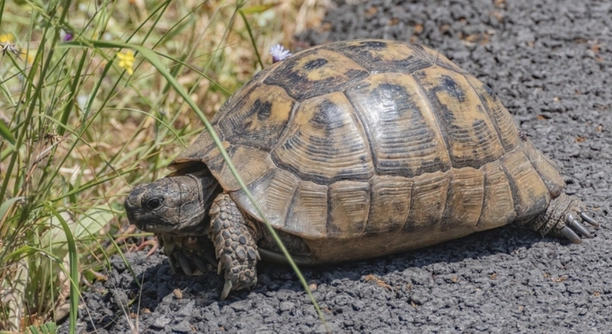
Russian tortoises, like many reptiles, communicate in various ways. If you’ve noticed your tortoise making hissing sounds, you might be wondering what’s going on. This behavior can often be a sign of certain natural responses or needs.
Hissing in Russian tortoises is most commonly associated with stress, fear, or an attempt to establish dominance. They may produce this sound when feeling threatened or when they’re trying to protect themselves from potential dangers.
Understanding the reasons behind this behavior will help you create a safer, more comfortable environment for your tortoise. Proper care and attention can significantly reduce stress and improve your tortoise’s well-being.
Reasons for Hissing Sounds in Russian Tortoises
When your Russian tortoise hisses, it’s often their way of expressing discomfort or unease. This could happen when they feel threatened, stressed, or even when they are simply adjusting to new surroundings. Tortoises are naturally shy and cautious animals, and any changes in their environment can cause them to feel unsafe. This includes handling, unfamiliar noises, or even a change in the lighting or temperature of their habitat. Hissing serves as a warning to other creatures or people to back off, showing they are not comfortable. It’s their way of saying they need space.
It’s important to observe your tortoise and note any other signs of stress or discomfort. Their behavior will give you clues about what they need to feel secure.
Some other factors contributing to hissing might be illness or injury, which could make them more irritable or defensive. Always keep an eye on your tortoise’s health, as any signs of distress could indicate an underlying issue. Check their habitat carefully for anything that could be causing them discomfort, such as sharp objects, improper humidity levels, or extreme temperatures.
Stress Triggers in Tortoises
Many things can cause stress in a tortoise, including loud noises, sudden changes, or an overly bright environment.
Tortoises are highly sensitive to their surroundings, and something as simple as a loud noise or a person moving too quickly in their vicinity can cause them to feel anxious. They prefer quiet, calm spaces where they can feel safe. Even something like the placement of their habitat can affect how they behave. Tortoises may start hissing if they’re not in a location where they feel secure or if they’re disturbed too often. It’s crucial to provide them with a stable environment that mimics their natural habitat to reduce unnecessary stress.
Handling Your Russian Tortoise
When handling your tortoise, always be gentle. Too much force or sudden movements can make them feel threatened. They might hiss as a defense mechanism. A calm, slow approach is essential when interacting with your tortoise to help them stay relaxed and comfortable.
It’s important to remember that tortoises have specific ways they like to be handled. Their shells are fragile, so avoid squeezing too tightly. Pick them up carefully by holding them on both sides of their shell, supporting their body evenly. Keeping your tortoise close to the ground or on a soft surface when interacting with them is also a good idea. This ensures that they don’t feel unsafe or risk falling.
Regular, calm handling can actually help build trust between you and your tortoise, but don’t overdo it. Too much handling can lead to stress, which might cause them to hiss more often. Respect their boundaries and let them come to you at their own pace.
Habitat and Environmental Factors
The environment plays a huge role in your tortoise’s behavior. A poorly set-up habitat can cause stress, leading to hissing. Ensure the temperature, lighting, and humidity levels are just right for your Russian tortoise.
Proper lighting is key for your tortoise’s health and well-being. UVB lighting is crucial to help them metabolize calcium and maintain strong bones. Without this, they may feel uncomfortable or unhealthy, contributing to behaviors like hissing. Temperature is another important factor. A comfortable, regulated temperature helps your tortoise stay calm. A temperature gradient in their enclosure allows them to move between warmer and cooler areas as needed. If the space feels too hot, too cold, or too humid, your tortoise will likely start showing signs of stress.
A clean, quiet space with ample hiding spots can also make your tortoise feel secure. If their environment is too bright, loud, or overcrowded, they may react defensively by hissing.
Illness or Injury
If your tortoise is hissing and seems unusually defensive, illness or injury could be the cause. When reptiles are in pain, they may become more irritable or agitated. Keep an eye on any physical changes, like swelling, limping, or lethargy.
An injury, such as a cut or a problem with their shell, can also cause your tortoise to hiss. They may not be able to express pain like mammals, so they show it through their behavior. If your tortoise is showing signs of distress along with hissing, it’s best to take them to a vet to rule out health issues.
Overcrowding
Too many tortoises in one space can lead to stress. Overcrowding is a common cause of hissing behavior.
When multiple tortoises share a habitat, they may feel threatened or struggle to find enough space. This can lead to territorial disputes, with hissing as a warning. It’s essential to ensure your tortoise has enough room to move freely and establish its own area within the enclosure.
FAQ
Why is my Russian tortoise hissing at me?
Your Russian tortoise might hiss at you when it feels threatened or anxious. They are naturally shy creatures and can become defensive if they feel unsafe. It’s essential to approach your tortoise calmly and avoid sudden movements. If you’re handling them too much or too roughly, this can lead to hissing as a form of warning. Ensuring a peaceful, stable environment can help reduce the stress that triggers this behavior.
How can I tell if my tortoise is stressed?
A stressed tortoise will often display certain behaviors such as hissing, retreating into its shell, or becoming lethargic. They may stop eating or show signs of aggressive behavior towards other animals or people. If you notice your tortoise acting out of character, it’s a sign they’re stressed. You should check their environment for any factors that might be contributing to their discomfort, such as extreme temperatures, lack of space, or other stress-inducing elements like noise.
Can my tortoise’s hissing be a sign of aggression?
Yes, hissing can be a sign of aggression, especially if your tortoise feels its territory is being invaded. Russian tortoises are territorial by nature, and they may hiss at other tortoises or animals that get too close. While hissing is a defensive measure, it can also be a way for them to assert dominance. If you have more than one tortoise, be sure they have enough space to reduce territorial conflicts.
Is it normal for my tortoise to hiss at other pets?
Yes, it’s normal for a tortoise to hiss at other pets, especially if it feels threatened. Tortoises are not always familiar with other animals, and they may interpret their presence as a threat. If you have other pets in the home, it’s important to supervise interactions and make sure your tortoise has a safe space where it can retreat if it feels uneasy. Keeping a calm and controlled environment will help reduce the stress your tortoise may feel from other pets.
What should I do if my tortoise is hissing constantly?
If your tortoise is hissing constantly, it’s important to assess its environment and health. Ensure that the temperature, humidity, and lighting are appropriate. Check for any physical signs of illness or injury, as constant hissing could be a sign of discomfort or pain. Additionally, limit handling and provide a quiet, calm environment to help your tortoise feel more secure. If the behavior persists, consider consulting a veterinarian.
Can my Russian tortoise get too stressed?
Yes, excessive stress can lead to health problems in tortoises. Chronic stress can weaken their immune system, making them more susceptible to illness. It can also result in a lack of appetite, weight loss, or changes in behavior. Long-term stress can shorten your tortoise’s lifespan, so it’s important to minimize stress factors in its environment. Regularly checking on their well-being and providing them with a stable, secure space is essential for their health.
How can I reduce my tortoise’s stress levels?
Reducing stress in your tortoise starts with providing a stable and appropriate environment. Make sure their habitat has the correct temperature, humidity, and lighting. A calm, quiet area free from loud noises and disturbances is important. Proper handling and allowing your tortoise to roam freely without excessive interference can also help. Additionally, providing hiding spots where your tortoise can retreat when feeling threatened will give them a sense of safety.
Can Russian tortoises hiss in pain?
Yes, Russian tortoises may hiss when they are in pain. While hissing is primarily a defensive behavior, it can also be a way for them to communicate discomfort or distress. If your tortoise is hissing along with other signs like limping, swelling, or changes in eating habits, it’s important to check for injuries or health problems. Taking them to a veterinarian is recommended if you suspect they’re in pain.
How do I know if my tortoise is sick?
A sick tortoise may show a variety of symptoms, including loss of appetite, lethargy, nasal discharge, or irregular breathing sounds. If your tortoise is hissing along with these symptoms, it could indicate an underlying illness. Other signs to watch for include swollen limbs, a soft or discolored shell, or difficulty moving. If you notice any of these changes, a visit to the vet is necessary for proper diagnosis and treatment.
Can my tortoise stop hissing if I change its environment?
Yes, changes to your tortoise’s environment can help reduce hissing if the hissing is due to stress or discomfort. By adjusting temperature, lighting, and humidity levels, you can create a more comfortable space for your tortoise. Adding hiding spots or reducing the amount of handling can also help them feel more secure. It’s important to observe your tortoise’s behavior after making these changes to ensure that the stressors have been eliminated.
Why is my tortoise hissing even though nothing has changed?
Even if you haven’t made any obvious changes to your tortoise’s environment, hissing can still occur due to minor stress factors. It could be a subtle change like a shift in the room’s temperature, a loud noise from outside, or even a change in your own behavior that may have made your tortoise feel unsafe. It’s also possible that your tortoise is simply feeling more sensitive than usual, or it might be experiencing mild discomfort that you haven’t noticed yet.
Final Thoughts
If your Russian tortoise is hissing, it’s usually a sign of stress, discomfort, or a natural defense mechanism. These reptiles are naturally shy, and they may hiss when they feel threatened or uneasy. It’s important to observe their behavior and figure out what might be causing their discomfort. While hissing is a normal response, it can indicate something more serious, such as illness or injury, so it’s crucial to monitor their overall health. A well-maintained environment with the proper temperature, lighting, and humidity will help reduce stress and minimize hissing.
Handling your tortoise with care and providing a peaceful environment can go a long way in preventing unnecessary stress. Make sure to avoid sudden movements or excessive handling, as this can trigger a defensive response. It’s also a good idea to give your tortoise plenty of space, especially if you have more than one. Overcrowding can lead to territorial behavior, and hissing can be a sign that your tortoise is asserting dominance or feeling threatened. A large, comfortable space with hiding spots will help your tortoise feel safe and secure.
Lastly, if the hissing continues or is accompanied by other signs of illness, such as loss of appetite, lethargy, or changes in behavior, it’s important to consult with a veterinarian. There could be an underlying health issue that needs attention. By paying close attention to your tortoise’s behavior and environment, you can ensure they live a healthy and stress-free life. A calm, stable environment and proper care are key to making sure your tortoise feels safe and comfortable, reducing the chances of hissing and promoting overall well-being.

Hello,
If you enjoy the content that we create, please consider saying a "Thank You!" by leaving a tip.
Every little bit helps us continue crafting quality advice that supports the health, happiness, and well-being of pets around the world, for pets of all shapes, sizes, and species.
We really appreciate the kindness and support that you show us!