
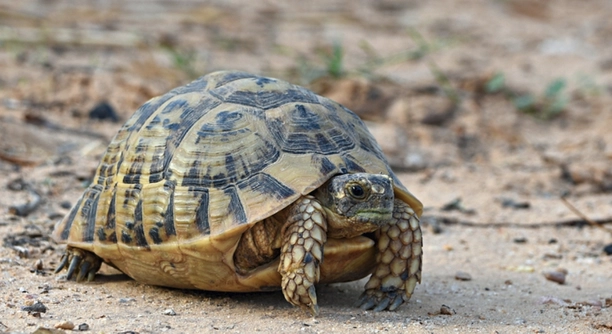
Keeping your Russian tortoise warm without a heat lamp can be tricky, but it’s possible with the right methods. Understanding how to maintain the right temperature is key to ensuring your tortoise stays healthy and comfortable.
To keep a Russian tortoise warm without a heat lamp, focus on providing a warm environment through heat mats, ceramic heat emitters, or proper room temperature. Ensure there are areas for both warmth and coolness so your tortoise can regulate its body temperature naturally.
There are simple yet effective methods to achieve this. By adjusting the environment and using the right equipment, your tortoise will stay content and thrive in its habitat.
Heat Mats and Pads as a Simple Solution
Using heat mats or pads is an excellent way to provide warmth to your Russian tortoise. These devices can be placed under the tank or habitat to create a consistent warm spot. Heat mats are designed to gently warm the substrate, offering a reliable heat source. The heat they produce is even and safe when used properly. Make sure the mat or pad covers only part of the habitat so your tortoise can move to cooler areas when needed. This gives them the ability to regulate their body temperature by moving between warm and cooler zones.
Heat mats come in different sizes and are easy to install. They’re affordable and provide a steady heat source without the risk of overheating. When choosing one, ensure that it’s suitable for the size of your tortoise’s enclosure to prevent any accidents. It’s important to use mats with a thermostat to maintain a consistent temperature range, which is crucial for your tortoise’s health.
Make sure to monitor the temperature of the habitat regularly to avoid any extreme changes. The area should be warm but not too hot, around 80-85°F (27-29°C), for optimal comfort.
Ceramic Heat Emitters for Consistent Heat
A ceramic heat emitter (CHE) can also be a helpful tool. This type of heat source works by emitting infrared heat, which raises the overall temperature in the enclosure without producing light. Ceramic heat emitters can be placed above the tank or habitat, providing heat without disturbing your tortoise’s day-night cycle. It’s an ideal option when you need consistent heat throughout the day and night.
These emitters are highly effective at maintaining steady warmth without creating bright light that might stress your tortoise. When choosing a ceramic heat emitter, ensure that it has a thermostat for temperature control. Keep the emitter away from areas where your tortoise can come into direct contact with it, as it can get hot.
A proper setup with a ceramic heat emitter can help create a comfortable environment for your tortoise. Monitoring the temperature regularly is essential to ensure it stays within a safe range.
Room Temperature as an Alternative
If you can maintain a stable room temperature, it can work as a reliable heat source for your Russian tortoise. By adjusting the room temperature to stay around 75-85°F (24-29°C), you can keep your tortoise comfortable without additional heating equipment.
Ensure that the room stays consistent and free from drafts. Placing the enclosure away from windows or air conditioning vents will help maintain a stable temperature. A thermometer placed inside the habitat will help you monitor the conditions, so you can act if the temperature fluctuates too much.
Room temperature can be a simple option, but it may not be sufficient during colder months. You’ll need to pay close attention to seasonal changes to ensure your tortoise stays in its comfort zone. Using a space heater in the room could be helpful if needed, but make sure it doesn’t create hot spots or overly dry the air.
Use of Insulation to Retain Heat
Insulating your tortoise’s enclosure is another way to keep it warm without using a heat lamp. Adding insulation material like foam boards or reflective insulation around the outside of the tank can help maintain consistent temperatures. This method is especially useful in colder climates.
Insulating the habitat ensures that heat is retained inside, reducing the amount of energy needed to keep the enclosure warm. This can be done on all sides of the tank, including the bottom, while still leaving ventilation openings for airflow. Insulation prevents the heat from escaping, which keeps the habitat warm longer.
Be cautious not to fully seal the enclosure, as it still needs airflow to avoid excess humidity. Proper ventilation will help prevent any unwanted conditions, ensuring your tortoise’s habitat is both warm and healthy. Using a humidity gauge will help you track moisture levels to keep everything balanced.
Proper Substrate Choice
The type of substrate you use can affect the temperature regulation in your Russian tortoise’s habitat. Materials like sand, coconut coir, or organic soil retain heat better than others. Choosing the right substrate ensures warmth is distributed evenly and helps create a comfortable environment for your tortoise.
A thicker substrate can also help hold heat for longer periods, preventing rapid temperature drops. However, avoid materials that retain too much moisture, as they can create an overly humid environment, which isn’t ideal for your tortoise’s health. Make sure the substrate is also safe for burrowing.
Adjusting Heating Devices According to the Seasons
As the seasons change, so will your heating needs. During colder months, you might need to adjust your heating devices to ensure your tortoise remains warm. Heat mats, emitters, or even room temperature might need a boost. Keep an eye on how the temperature fluctuates with the seasons.
In summer, you may need to reduce or turn off some heating devices to avoid overheating. A thermostat or temperature controller will help you maintain the right warmth throughout the year. It’s essential to be proactive about seasonal changes to keep your tortoise comfortable.
Natural Sunlight for Warmth
Providing natural sunlight is another excellent way to keep your tortoise warm. If possible, place the enclosure in an area that gets direct sunlight during the day. Sunlight provides heat and UVB rays, which are important for your tortoise’s health.
Ensure that the enclosure is not too hot in direct sunlight by monitoring the temperature. It’s essential to offer both warm and cool areas so your tortoise can regulate its body temperature naturally. Too much direct sun without the ability to cool off could lead to overheating.
FAQ
How warm should the habitat be for a Russian tortoise?
The ideal temperature range for a Russian tortoise’s habitat is between 75°F and 85°F (24°C – 29°C). It’s important to create a warm area within this range for basking, while also offering cooler areas where the tortoise can retreat when it needs to regulate its temperature. A temperature gradient will allow the tortoise to choose where it feels most comfortable. You should also keep nighttime temperatures around 65°F to 75°F (18°C – 24°C). Avoid sudden temperature changes, as they can stress the tortoise.
Can I use a regular heat lamp for a Russian tortoise?
While a regular heat lamp can work, it’s not always the best option. Heat lamps tend to produce light, which may disrupt the tortoise’s natural day-night cycle. If you prefer using a heat lamp, consider a ceramic heat emitter instead, as it provides heat without the light. If you do use a regular heat lamp, make sure it doesn’t overheat the habitat. It’s crucial to have a thermometer to monitor the temperature closely.
How can I maintain the proper humidity for a Russian tortoise?
Russian tortoises prefer low humidity levels, typically around 30-50%. Too much humidity can lead to respiratory issues and shell problems. To maintain the right humidity, ensure the enclosure has proper ventilation, and avoid using substrates that hold moisture. If humidity becomes too high, you can adjust by increasing airflow or reducing water sources inside the habitat. A hygrometer can help you monitor humidity levels accurately.
What is the best way to heat a tortoise’s habitat without a heat lamp?
If you prefer not to use a heat lamp, there are several other options. Heat mats or pads can be placed under the tank, providing consistent warmth. Ceramic heat emitters (CHE) are another great alternative, as they provide infrared heat without light. You can also use a space heater in the room to maintain a stable temperature. It’s essential to monitor the temperature with a thermometer to ensure it stays within the ideal range.
Is it safe to let my Russian tortoise roam outside for warmth?
Letting your tortoise roam outside during the warmer months can be a great way to provide natural sunlight and heat. However, you must ensure that the outdoor environment is safe and free of predators. Also, keep in mind that temperatures can change quickly, so it’s important to monitor the weather. Always supervise your tortoise while it’s outside to avoid accidents or overheating.
Can I use a heating pad for my tortoise?
Yes, heating pads are an effective way to warm a Russian tortoise’s habitat. They provide heat directly to the substrate, which helps maintain a comfortable temperature. Place the heating pad underneath the enclosure and ensure that it covers only part of the space, so your tortoise has access to both warm and cool areas. It’s crucial to use a thermostat to regulate the temperature and avoid overheating.
Do I need to adjust the heating in the winter?
Yes, during the winter months, you may need to adjust the heating in your tortoise’s habitat. If the room temperature drops, additional heat sources such as heat mats or ceramic heat emitters can help maintain warmth. It’s important to check the temperature more frequently during colder months, as drafts or sudden drops in room temperature can make it difficult to maintain the proper warmth. If needed, you can use a space heater in the room, but ensure the enclosure doesn’t get too hot.
How can I tell if my tortoise is too cold?
Signs that your Russian tortoise may be too cold include lethargy, lack of appetite, and difficulty moving. If the tortoise is frequently hiding or seems to be sluggish, this could indicate that the habitat is not warm enough. It’s essential to monitor the temperature regularly and ensure the tortoise has access to a warm area for basking. If you notice any of these signs, consider adjusting the heat source or adding an extra heat mat or emitter.
What are the risks of overheating my tortoise’s habitat?
Overheating can be dangerous for a Russian tortoise, as it can cause dehydration, stress, and even death. Signs of overheating include rapid breathing, excessive basking behavior, and attempts to escape the warm area. To avoid this, always use a thermometer to monitor the habitat’s temperature, and never allow it to rise above 90°F (32°C). It’s crucial to offer both warm and cool areas in the habitat so your tortoise can self-regulate its body temperature.
Can I use a thermostat to control my tortoise’s heating devices?
Yes, using a thermostat is highly recommended when using heating pads, ceramic heat emitters, or heat mats. A thermostat will help regulate the temperature, ensuring it stays within the appropriate range for your tortoise. Many heating devices come with built-in thermostats, but if not, you can purchase a separate one. This helps prevent overheating and maintains a stable environment for your tortoise.
How do I maintain the right temperature during power outages?
During a power outage, it may be difficult to maintain the temperature in your tortoise’s habitat. To prepare, consider having backup heat sources, such as portable battery-operated heaters, or even heated rocks that retain warmth for a while. You can also move the tortoise temporarily to a warmer part of the house if needed. Always monitor the habitat’s temperature when the power is restored to ensure everything returns to normal.
Final Thoughts
Keeping your Russian tortoise warm without a heat lamp is entirely possible with the right tools and methods. By using heat mats, ceramic heat emitters, or maintaining a stable room temperature, you can provide your tortoise with the warmth it needs. These options are not only effective but can also be safer for your tortoise, as they reduce the risk of overheating or stress caused by bright lights. Whether you decide to use heat mats under the enclosure or rely on natural sunlight, the key is to create a comfortable environment with both warm and cool areas for your tortoise to move between.
While using heat mats or ceramic heat emitters can be reliable, it’s also important to consider the seasons and make adjustments as needed. During colder months, you might need extra heating to ensure the temperature stays consistent. Insulating the habitat or using a space heater in the room can help maintain a stable temperature. Regular monitoring is crucial, as it ensures that your tortoise stays within the ideal temperature range. By paying attention to these details and being proactive with your heating setup, you’ll create a healthy environment for your tortoise year-round.
Don’t forget to consider your tortoise’s natural behaviors and needs as well. Russian tortoises thrive when they have the freedom to regulate their body temperature by moving between different zones in their habitat. Providing multiple temperature areas, such as a basking spot and a cooler area, will allow your tortoise to self-regulate. Additionally, maintaining proper humidity levels and monitoring the environment frequently will ensure that your tortoise is living in a safe and comfortable space. By understanding and addressing these needs, you can ensure your Russian tortoise stays healthy and content without relying on a heat lamp.

Hello,
If you enjoy the content that we create, please consider saying a "Thank You!" by leaving a tip.
Every little bit helps us continue crafting quality advice that supports the health, happiness, and well-being of pets around the world, for pets of all shapes, sizes, and species.
We really appreciate the kindness and support that you show us!