
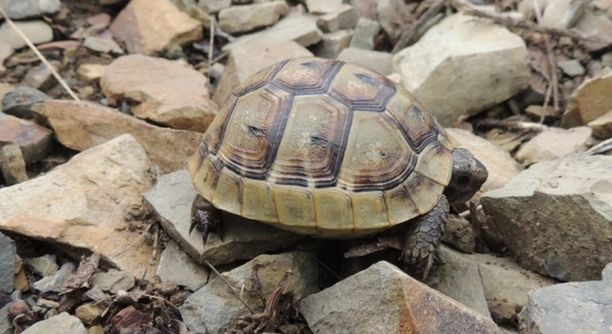
Russian tortoises are fascinating pets that require careful attention to their health. There are several factors that can make them unwell if not properly managed. Knowing the common mistakes to avoid is essential for their well-being.
Several mistakes can lead to a Russian tortoise becoming sick, including improper diet, inadequate habitat, lack of proper hydration, and exposure to extreme temperatures. These issues can weaken their immune system and cause long-term health problems.
Being mindful of their diet and environment can go a long way in keeping your Russian tortoise healthy. Ensuring they get the right care now can help them thrive for years to come.
Mistake 1: Incorrect Diet
A Russian tortoise’s diet plays a vital role in its health. Feeding them the wrong foods, such as too much fruit or foods high in fat, can lead to obesity or digestive problems. These tortoises require a diet rich in leafy greens, grasses, and some vegetables. A poor diet can also lead to a lack of essential vitamins and minerals, which is critical for their shell and bone health. This can cause various health issues, such as weak shells and poor growth.
Without a balanced diet, your tortoise’s immune system can weaken, making them more prone to illnesses. It is essential to provide a varied and nutrient-rich diet to keep them strong and healthy.
Ensuring your tortoise gets the right foods not only keeps them active but also prevents long-term health problems. Consistent care and attention to their eating habits are essential. Avoid overfeeding them with fruits or sugary treats. Instead, focus on leafy greens like dandelion leaves and kale, which should be the majority of their diet. Offering a variety of vegetables ensures your tortoise receives all the nutrients they need.
Mistake 2: Poor Habitat Conditions
The environment where your tortoise lives is just as important as their diet. A poorly designed habitat can cause stress, discomfort, and even illness. Russian tortoises need plenty of space to roam and explore. The enclosure should have areas for basking, hiding, and digging. A lack of appropriate space can limit their natural behaviors, leading to stress and potential health issues.
Russian tortoises need proper lighting, temperature control, and humidity levels to stay healthy. Inadequate heat sources or a lack of UVB light can impact their digestion, immune system, and overall well-being. This can result in sickness or poor shell development. The humidity in the habitat should also be maintained at appropriate levels to prevent dehydration. Additionally, a clean and dry environment free from mold, bacteria, and parasites is essential to prevent respiratory infections and other diseases.
By creating a proper habitat, your tortoise will be happier, healthier, and more active. Providing the right lighting, temperature, and space is essential for their overall health. Always monitor their environment to ensure that it meets their specific needs. Regular cleaning and upkeep are necessary to prevent illness and ensure they thrive.
Mistake 3: Inadequate Hydration
Hydration is crucial for a Russian tortoise’s health. Without enough water, they can become dehydrated, which leads to digestive issues and lethargy. Dehydration affects their ability to absorb nutrients properly and can cause serious problems if not addressed promptly.
To keep your tortoise hydrated, provide fresh water daily. You can place a shallow dish of water in their enclosure, ensuring it is easily accessible. Make sure the water is changed regularly to avoid bacteria buildup. Sometimes, tortoises may need additional hydration through misting or soaking. This helps them stay hydrated, especially in dry climates.
Dehydration can lead to kidney issues, shell abnormalities, and a decrease in activity levels. Ensure your tortoise is always drinking water by regularly offering it and keeping their enclosure at the right humidity. Some tortoises may prefer to drink from moving water, so occasionally use a gentle spray or water feature to encourage them. Keeping them hydrated supports their metabolism and overall health.
Mistake 4: Exposure to Extreme Temperatures
Russian tortoises thrive in a warm climate. Exposure to extreme temperatures, whether too hot or too cold, can cause stress and illness. If the habitat is too cold, your tortoise might become sluggish or even stop eating, leading to a weakened immune system.
To prevent this, make sure their habitat is heated appropriately. Use a reliable heat source, such as a basking lamp, and monitor the temperature regularly. A warm spot with temperatures between 85–90°F is ideal, while the cooler area can range from 70–75°F. These varying temperatures allow your tortoise to regulate its body heat by moving between warm and cool zones.
Be aware of sudden temperature changes, especially during seasonal shifts. Even brief exposure to extreme cold or heat can stress your tortoise, making them more susceptible to respiratory infections or digestive problems. Regularly check the thermometer in their enclosure and adjust their heat source if necessary. Keeping their environment stable helps them stay healthy and active.
Mistake 5: Lack of Proper Veterinary Care
Russian tortoises, like any pet, need regular veterinary check-ups. Skipping these visits can lead to undiagnosed health issues. Without proper care, even minor problems can turn into serious ones.
A vet experienced with reptiles can help monitor your tortoise’s health, provide necessary vaccinations, and detect issues early. It’s also helpful to have your tortoise checked if you notice any behavioral changes, like a lack of appetite or unusual lethargy. Catching health concerns early can prevent more severe complications later on.
Regular veterinary visits ensure your tortoise’s overall well-being and help keep them happy and healthy for years. Routine exams can detect early signs of illness, allowing you to take action quickly. Your vet can also guide you on proper care, diet, and habitat setup to avoid common health problems.
Mistake 6: Overfeeding or Underfeeding
Both overfeeding and underfeeding can be harmful to your tortoise. Overfeeding may lead to obesity, while underfeeding results in malnutrition. Both issues can significantly impact their health and development.
Feeding your tortoise the right amount of food based on its size and age is essential. Russian tortoises are naturally grazers, so they should receive a variety of leafy greens and vegetables. Stick to a feeding schedule and avoid offering too many high-calcium or sugary foods. Balancing their diet with proper portion control ensures they maintain a healthy weight and energy levels.
Mistake 7: Neglecting Shell Health
A healthy shell is vital for a Russian tortoise’s overall health. Neglecting to care for their shell can lead to problems such as shell rot or deformities. Regular shell maintenance is necessary to keep it strong and intact.
To maintain shell health, avoid letting your tortoise’s shell come into contact with excess moisture or unhygienic conditions. Provide them with a clean, dry space to prevent infections. Additionally, ensure they receive proper nutrition, especially calcium, to help develop a strong, healthy shell. Keeping their environment clean and dry is key to preventing shell rot.
FAQ
What should I feed my Russian tortoise?
Russian tortoises thrive on a diet of leafy greens like dandelion greens, collard greens, and kale. You can also offer some vegetables such as zucchini, bell peppers, and carrots. Grass hay like timothy hay is essential for digestion and provides fiber. Avoid feeding them fruit too often, as it can lead to digestive problems and obesity. Ensure their diet is high in calcium for strong bones and shell health. Offering variety is key to providing them with the nutrients they need to stay healthy.
How do I create the perfect habitat for my Russian tortoise?
To create the best habitat, make sure the enclosure is spacious enough for your tortoise to roam. A minimum of 4 square feet is needed for one tortoise. The temperature should range from 85-90°F in the basking area and 70-75°F in the cooler area. UVB lighting is necessary for 10-12 hours a day to help with vitamin D3 production and calcium absorption. You’ll also need to provide a substrate that’s easy to clean, like organic soil or coconut coir. Ensure there’s a hiding space for your tortoise to retreat and feel secure. Regular cleaning is essential to maintain hygiene and avoid infections.
How often should I clean my tortoise’s enclosure?
Cleaning your Russian tortoise’s enclosure is important for preventing bacteria and parasites. Spot cleaning should be done daily, removing leftover food and waste. A thorough cleaning should be done weekly, which includes washing the substrate and disinfecting all surfaces. The water dish should be cleaned daily as well, especially if it’s where your tortoise drinks or soaks. The more you keep their environment clean, the less likely they are to get sick from dirty conditions.
Can Russian tortoises live outside?
Yes, Russian tortoises can live outdoors, but only in suitable climates. They need an enclosure that protects them from predators and provides plenty of space for grazing, digging, and basking in the sun. Make sure the outdoor enclosure is escape-proof and provides a shaded area for cooling off. During winter or extreme weather, they should be brought indoors to avoid exposure to dangerous temperatures. Always ensure their outdoor space mimics their natural habitat as much as possible.
What temperatures do Russian tortoises need?
Russian tortoises need a temperature gradient in their habitat. The basking area should be kept between 85-90°F, while the cooler end should be around 70-75°F. At night, the temperature can drop to around 65°F, but it shouldn’t go below 60°F. Use a reliable thermometer to monitor the temperature in both areas of the enclosure. Extreme cold or heat can cause health problems, so maintaining stable temperatures is crucial.
How can I tell if my Russian tortoise is sick?
A sick Russian tortoise may exhibit several signs. They could become lethargic, stop eating, or have difficulty moving. If their eyes are swollen or discharge is present, this can indicate a respiratory infection. A shell that appears soft, discolored, or shows signs of rot is another warning sign. If your tortoise shows any of these symptoms, consult a veterinarian who specializes in reptiles as soon as possible. Prompt treatment is essential to prevent further complications.
Do I need to bathe my Russian tortoise?
Occasionally bathing your Russian tortoise is beneficial, especially if it helps with hydration. You can soak them in warm, shallow water for 10-15 minutes once or twice a week. Be sure to supervise them during the bath to ensure they don’t get too cold or stressed. It’s important to never use soap, as it can harm their skin. Bathing can also help keep their shell clean and remove any dirt or debris.
How can I prevent shell rot in my tortoise?
To prevent shell rot, keep your tortoise’s habitat clean and dry. Moisture or humidity should not remain trapped in their enclosure, as this can promote fungal or bacterial growth. Provide a well-ventilated enclosure to avoid damp conditions. Ensure the bedding is changed regularly, and the water dish is cleaned frequently. A balanced diet with proper calcium is also crucial for maintaining shell health. If you notice any unusual softening or discoloration of the shell, consult a veterinarian immediately.
Can I house multiple Russian tortoises together?
Housing multiple Russian tortoises together is possible but requires extra care. Male tortoises may fight, especially if there is competition for space or females. It’s best to house females together, but even then, ensure the enclosure is large enough for each tortoise to have its own space. Overcrowding can lead to stress, which may weaken their immune systems and cause health issues. Always observe their behavior and be ready to separate them if needed.
What are the signs that my tortoise is dehydrated?
Signs of dehydration in a Russian tortoise include lethargy, sunken eyes, and dry skin. If you notice your tortoise isn’t drinking water or eating regularly, it could be a sign of dehydration. In more severe cases, dehydration can lead to constipation or difficulty moving. Make sure to provide fresh water every day and consider soaking your tortoise in warm water if it seems dehydrated. Regularly monitor their hydration levels to prevent any complications.
Taking care of a Russian tortoise requires attention to detail and a commitment to providing the best environment for them. Their health is highly influenced by their diet, habitat, hydration, and the care they receive. By avoiding common mistakes, such as improper feeding, inadequate habitat conditions, and neglecting their veterinary care, you can ensure your tortoise remains healthy and active. Paying attention to the small details, like proper lighting, temperature control, and regular cleaning, helps prevent illnesses and promotes overall well-being.
Maintaining a balanced and varied diet, with plenty of leafy greens and vegetables, is essential for your tortoise’s growth and longevity. It’s also important to provide fresh water regularly and create a suitable habitat with appropriate temperature and humidity levels. Regularly checking the health of your tortoise’s shell and seeking professional help when needed can prevent issues before they become severe. Staying on top of these factors will help you raise a healthy and happy tortoise that thrives in its home.
By understanding and avoiding these mistakes, you can form a strong bond with your Russian tortoise and enjoy watching them grow. With a little effort and care, you will be able to provide a comfortable and healthy life for your pet. Keeping their environment clean, hydrated, and nutritionally balanced goes a long way toward ensuring they stay in good health. As you get more familiar with their needs, it will become second nature to offer the care they require for a long and fulfilling life.

Hello,
If you enjoy the content that we create, please consider saying a "Thank You!" by leaving a tip.
Every little bit helps us continue crafting quality advice that supports the health, happiness, and well-being of pets around the world, for pets of all shapes, sizes, and species.
We really appreciate the kindness and support that you show us!