7 Reactions to Expect From Tank Rearranging
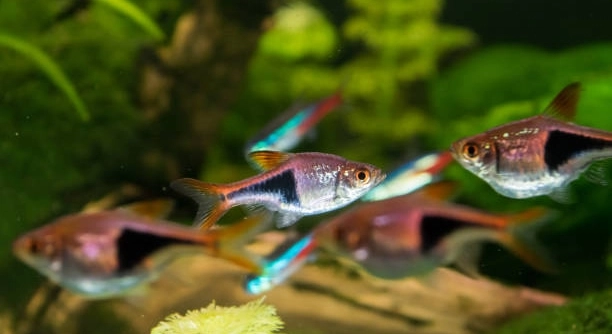
Tank rearranging can be a common activity for aquarium enthusiasts aiming to improve their setup or fish environment. Changing the layout can affect the tank’s ecosystem in various ways. Understanding the expected reactions helps manage the process smoothly. When rearranging a tank, fish and aquatic life may show stress, altered behavior, and changes in water … Read more
7 Ways Rasbora Explore Their Tankmates

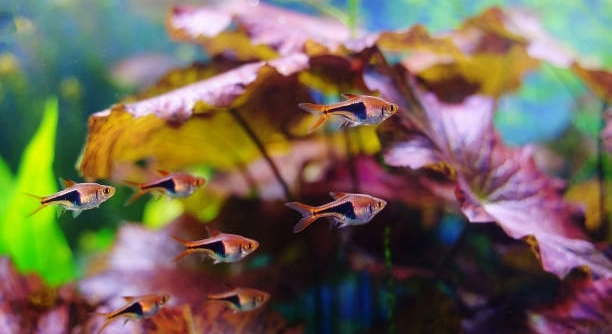
Rasboras are small, lively fish that add charm to home aquariums. They often interact with their tankmates in subtle ways that show their curiosity and social nature. Understanding these behaviors can improve how you care for them. Rasboras explore their tankmates by swimming around them, gently nudging with their noses, following movements closely, observing from … Read more

7 Fun Ways Rasbora React to Bubbles

Rasboras are small, lively fish that bring life to any aquarium. They react in interesting ways when bubbles rise in their environment. Observing their behavior around bubbles can be both entertaining and insightful. Rasboras respond to bubbles with various behaviors such as swimming patterns, chasing the bubbles, and changes in social interaction. These reactions help … Read more

How to Tell If Your Rasbora Likes You

Are your rasboras more than just colorful additions to your aquarium? Many fish owners wonder if their small pets show signs of attachment or recognition. Understanding these subtle behaviors can enrich the bond you share with your aquatic friends. Rasboras express their liking through consistent swimming near you, increased activity during your presence, and following … Read more

Can Rasbora Get Parasites? (Yes, Here’s Help)

Have you ever noticed your rasboras acting strange and started to worry something might be wrong with them? These small fish are popular in home aquariums, but they’re not immune to health problems, including parasites. Yes, rasboras can get parasites. These may include internal worms, protozoa, or external parasites like ich. These infections often stem … Read more

Why Rasbora Might School Tighter Than Usual

Rasboras often swim in groups, creating a lively and coordinated display in aquariums. Their schooling behavior can change depending on their environment and social cues. Observing their patterns offers insights into their natural instincts and needs. Rasboras school tighter than usual primarily due to stress, environmental changes, or perceived threats. These factors trigger a survival … Read more

Can Rasbora Get Sunburned from Lights?

Have you ever set up a beautiful aquarium, only to worry later about how your lighting might affect your fish? Lighting plays a big role in aquarium care, and it can even impact your rasboras’ well-being. Rasboras cannot get sunburned from standard aquarium lights, as these lights do not emit the level of ultraviolet radiation … Read more

What Rasbora Do When They’re Exploring New Gravel

Exploring new gravel is a common behavior for rasboras in their aquarium environment. These small fish often interact with their surroundings as part of their natural curiosity and daily routine. Understanding this behavior can help aquarium owners create better habitats. When rasboras explore new gravel, they use their sense of taste and touch to investigate … Read more

Do Rasbora Sleep on the Go?

Many aquarium enthusiasts enjoy keeping Rasboras for their lively nature and delicate beauty. These small fish add color and movement to tanks, making them a popular choice. Understanding their behaviors, including sleep patterns, helps ensure their well-being. Rasboras do sleep, but not in a fixed place. They rest intermittently while swimming slowly or hovering in … Read more

Why Rasbora Prefer Certain Tank Levels

Rasboras are popular small fish that many hobbyists enjoy keeping in home aquariums. They have specific preferences when it comes to their tank environment. These preferences often include the tank level where they feel most comfortable and active. Rasboras prefer certain tank levels mainly because of their natural behavior and habitat. They tend to occupy … Read more