
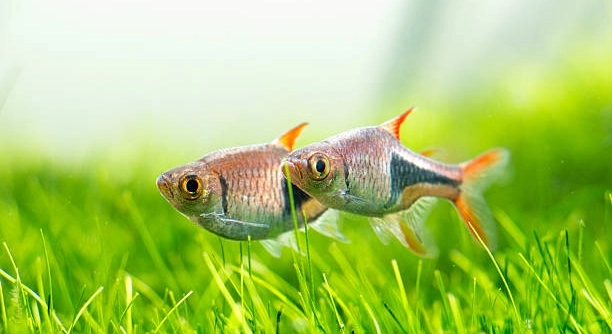
Exploring new gravel is a common behavior for rasboras in their aquarium environment. These small fish often interact with their surroundings as part of their natural curiosity and daily routine. Understanding this behavior can help aquarium owners create better habitats.
When rasboras explore new gravel, they use their sense of taste and touch to investigate the texture and safety of the substrate. They swim close to the bottom, occasionally nibbling or brushing against the gravel to assess its suitability for swimming and resting. This behavior helps them adapt and feel secure in their environment.
Observing how rasboras interact with gravel reveals important details about their comfort and well-being in the tank.
How Rasboras Explore New Gravel
When rasboras encounter new gravel in their tank, they approach it carefully. These small fish swim near the bottom and use their mouths to gently nibble on the gravel pieces. This helps them understand if the surface is safe and comfortable. Rasboras are sensitive to their environment, and they prefer smooth gravel that won’t harm their delicate fins or mouths. They also look for hiding spots and places to rest. Gravel with sharp edges or unusual textures can make them hesitant to explore. Over time, as they become more familiar, they swim more confidently around the gravel and use it for shelter or play. This behavior is natural and helps them adjust to changes in their habitat without stress. Watching rasboras interact with gravel can tell you a lot about their health and happiness in the aquarium.
Their gravel exploration is mostly about safety and comfort, not just curiosity.
Rasboras also use gravel to find food particles or algae. They sift through the substrate gently, picking up tiny bits to eat. This searching helps keep the tank clean and gives them variety in their diet. Gravel choice affects how easily they can do this. Smooth, small-grain gravel allows them to search without injury. When the gravel suits their needs, rasboras are more active and appear more relaxed. On the other hand, rough or large gravel may discourage this behavior and reduce their feeding efficiency. Understanding their gravel preferences can improve their quality of life and encourage natural behaviors in your aquarium.
Signs Gravel Is Comfortable for Rasboras
Rasboras show clear signs when gravel suits them well. They swim actively near the bottom and seem relaxed.
When gravel matches rasboras’ needs, they explore without hesitation and rest calmly on the substrate. Comfortable gravel encourages healthy swimming patterns and natural behaviors, like foraging. Fish will not avoid certain areas of the tank, which indicates they feel safe everywhere. Choosing the right gravel texture and size is important because it affects their movement and feeding. Watching how rasboras respond after introducing new gravel can help you make better decisions. Gravel that supports their natural habits promotes a balanced and thriving aquarium environment. This care ensures the fish stay healthy and stress-free, making the tank a better home for them.
How Gravel Texture Affects Rasbora Behavior
Gravel texture plays a big role in how rasboras act in their tank. Smooth gravel encourages more exploration and resting, while rough or sharp gravel may cause hesitation and less movement.
Smooth gravel allows rasboras to swim close to the bottom without injury. It supports their natural behavior of gently nibbling and searching for food particles. When the texture is too rough, they avoid direct contact, limiting their interaction with the substrate. Sharp edges can cause small wounds or damage to their fins, making them stressed or less active. Choosing gravel that is soft and rounded supports their comfort and encourages healthy activity.
The right gravel texture can also impact the tank’s cleanliness. Smooth gravel traps less debris and makes it easier for rasboras to sift through while foraging. It also reduces the chance of food getting stuck, preventing bacterial buildup. This creates a safer, cleaner environment for the fish to thrive. By paying attention to gravel texture, you improve both the behavior and health of your rasboras.
Gravel Color and Its Influence on Rasbora Activity
Gravel color affects how rasboras feel and behave in their aquarium. Natural colors tend to make them more relaxed and active.
Bright or unnatural colors can sometimes stress rasboras because they look out of place. When gravel matches natural shades like browns, greys, or soft tans, the fish blend in better with their environment. This reduces stress and makes them feel safer. Feeling secure encourages more swimming, feeding, and exploration. It also helps them display their true colors more vividly. Choosing gravel color carefully supports a calm and lively tank, helping your rasboras show their best behavior and health.
Gravel Depth and Rasbora Interaction
Gravel depth affects how rasboras explore the tank bottom. Shallow gravel makes it easier for them to forage and rest comfortably.
Too deep gravel can hide uneaten food and waste, which may reduce water quality and make rasboras avoid the substrate.
How Rasboras Use Gravel for Shelter
Rasboras often use gravel to find small hiding spots, especially when the gravel pieces create gaps. These spaces offer security from larger fish and reduce stress. Providing gravel with varied sizes can encourage this natural behavior. When they feel safe, rasboras display more confident swimming and social interactions within the tank.
Gravel Cleaning and Rasbora Health
Keeping gravel clean is essential for rasbora health. Dirty gravel can lead to poor water quality and disease risks. Regular vacuuming prevents waste buildup, promoting a safe environment. Clean gravel supports rasboras’ natural behaviors like foraging and resting without stress, helping maintain their overall well-being.
Choosing the Best Gravel for Rasboras
Selecting gravel that is smooth, natural in color, and shallow improves rasbora comfort and activity. This simple choice enhances their environment and health.
What type of gravel is best for rasboras?
Rasboras do best with smooth, small to medium-sized gravel. Rounded edges help prevent injury to their delicate fins and mouths. Gravel should not be too coarse or sharp because rasboras often swim close to or rest on the substrate. Natural colors like browns, greys, or tans are preferred, as they create a calm environment that makes rasboras feel safe. Avoid brightly colored or unnatural gravel because it can cause stress or make the tank feel less natural. Smooth gravel also helps when rasboras sift through it for food particles or algae, allowing them to forage comfortably without risk of harm.
How deep should gravel be for a rasbora tank?
Gravel depth should be shallow to moderate, usually about 1 to 2 inches. This allows rasboras to interact with the substrate easily, searching for leftover food or small hiding spots. If the gravel is too deep, uneaten food and waste can get trapped, leading to poor water quality and potential health issues. Deep gravel also makes it harder to clean and maintain the tank. Keeping gravel at the right depth ensures a healthy environment and encourages natural behavior, making rasboras more active and less stressed.
Can rasboras eat gravel?
Rasboras do not eat gravel, but they do nibble on it while foraging. They may pick up small pieces to check for food or algae. This behavior is normal and helps them find tiny food particles hiding between gravel pieces. However, it’s important to use gravel that is too large to swallow to prevent choking or digestive problems. Avoid very small gravel or sand that could accidentally be ingested. Proper gravel size keeps rasboras safe while allowing them to use their natural feeding habits.
How often should gravel be cleaned in a rasbora tank?
Gravel should be cleaned regularly, typically every one to two weeks, depending on tank size and bioload. Using a gravel vacuum during water changes removes uneaten food, fish waste, and debris trapped between stones. Keeping gravel clean prevents harmful bacteria buildup and maintains good water quality, which is essential for rasbora health. Over time, dirty gravel can cause ammonia spikes and stress fish. Regular cleaning supports their natural behaviors, like foraging and resting, by keeping their environment safe and comfortable.
Does gravel color affect rasbora behavior?
Yes, gravel color can influence how rasboras behave. Natural-colored gravel tends to make them feel safer and more relaxed because it mimics their natural habitat. Bright or unnatural colors may cause hesitation or stress, making fish hide more or swim less actively. When gravel color helps rasboras blend in, they show more confident swimming and social behaviors. This can also highlight their vibrant colors, improving the tank’s overall look. Choosing gravel with natural tones is an easy way to support rasbora well-being.
Can rasboras live without gravel?
Rasboras can live without gravel, but having a substrate benefits them. Gravel offers places to explore, forage, and rest. It helps simulate their natural environment and provides hiding spots. Without gravel, rasboras may feel exposed or stressed, affecting their behavior and health. However, some aquariums use bare bottoms for easy cleaning or breeding setups. If choosing no gravel, extra plants or decorations should be added to provide shelter and enrichment. Overall, gravel adds comfort and encourages natural rasbora habits.
What happens if gravel is too sharp for rasboras?
Sharp gravel can injure rasboras by causing cuts or damage to their fins and mouths. These wounds increase the risk of infections and stress, which lowers their immune response. Injured fish may become less active and hide more often. Sharp gravel also discourages natural behaviors like resting and foraging near the bottom. To avoid these problems, it’s important to choose smooth, rounded gravel that is safe for delicate fish. Preventing injury supports healthier and happier rasboras.
How do rasboras interact with new gravel?
When new gravel is added, rasboras approach it slowly. They swim near the bottom and gently nibble or brush against the gravel to check its texture and safety. This behavior helps them adjust and feel secure. If the gravel suits them, they explore more actively and use it for resting or hiding. If the gravel is uncomfortable, they may avoid the area and show signs of stress. Observing their reaction to new gravel can guide adjustments for a better tank environment.
Choosing the right gravel for rasboras is more important than many people realize. Gravel is not just decoration—it plays a big role in how these small fish behave and feel in their tank. Smooth, natural-colored gravel encourages them to explore, rest, and feed comfortably. On the other hand, rough or brightly colored gravel can cause stress and reduce their activity. It’s important to pay attention to the type, texture, and depth of gravel to create a safe and comfortable environment for rasboras. Small changes in gravel can make a noticeable difference in their behavior and overall well-being.
Keeping the gravel clean is also a key part of maintaining a healthy aquarium for rasboras. Dirty gravel traps waste and uneaten food, which can harm water quality and increase the risk of illness. Regular cleaning with a gravel vacuum helps prevent this buildup and keeps the tank safe. When gravel is clean, rasboras feel more comfortable to forage and rest near the bottom. This natural behavior is important for their health and happiness. Making gravel care part of your regular tank maintenance supports a balanced, stress-free habitat for your fish.
In the end, observing how rasboras interact with their gravel provides valuable clues about their comfort and health. When they swim freely, rest calmly, and explore the substrate, it shows they are happy in their home. If you notice hesitation or avoidance of the gravel, it might be time to rethink your choice of substrate or check the tank’s cleanliness. Small adjustments like choosing smoother gravel or cleaning more often can help rasboras feel secure and thrive. Creating the right environment with thoughtful gravel choices is a simple way to support your rasboras’ natural behaviors and long-term health.

Hello,
If you enjoy the content that we create, please consider saying a "Thank You!" by leaving a tip.
Every little bit helps us continue crafting quality advice that supports the health, happiness, and well-being of pets around the world, for pets of all shapes, sizes, and species.
We really appreciate the kindness and support that you show us!