
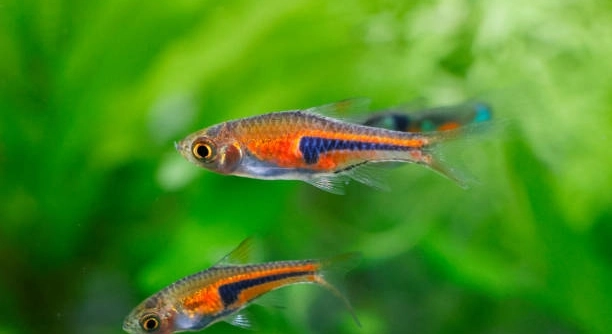
Have you ever noticed your rasboras acting strange and started to worry something might be wrong with them? These small fish are popular in home aquariums, but they’re not immune to health problems, including parasites.
Yes, rasboras can get parasites. These may include internal worms, protozoa, or external parasites like ich. These infections often stem from poor water conditions, infected tank mates, or contaminated food sources, and they require proper treatment to manage.
Recognizing the signs early and taking quick action can make a big difference in your rasbora’s recovery and overall well-being.
Common Parasites That Affect Rasboras
Rasboras can be affected by several types of parasites, and it’s helpful to know what to look for. Internal parasites, like nematodes or protozoa, may cause your fish to lose weight, become less active, or pass stringy white feces. External parasites, such as ich (white spot disease), are easier to spot since they show up as small white dots on the body or fins. Gill flukes are another issue and can cause rapid breathing or gasping at the water surface. These parasites often come from new fish that weren’t properly quarantined or from contaminated water or food. Clean water and a calm tank environment are key in preventing these infections. If one rasbora shows signs, others are likely at risk too, so acting quickly can stop the spread. Parasites don’t always show obvious symptoms at first, so regular observation and proper tank hygiene go a long way.
Parasites are more likely to show up in overcrowded tanks or when new fish are introduced without quarantine.
Treatments depend on the type of parasite. Ich is often treated with heat and aquarium salt or copper-based medications. Internal parasites may require special medicated food or water additives. Follow dosage instructions carefully, and remove activated carbon from your filter during treatment so it doesn’t absorb the medicine. Keep your rasboras in a hospital tank if needed, and watch for improvements in behavior and appearance. After treatment, perform water changes and keep the main tank clean. It’s a good idea to monitor all your fish closely for a few weeks. Some parasites are persistent, so one treatment might not be enough. Use test kits to make sure ammonia, nitrite, and nitrate levels are safe. Weak or stressed fish are more vulnerable, so stable water conditions help keep your rasboras healthy long-term.
Preventing Parasites in Your Rasbora Tank
Good tank habits are the best way to keep parasites away from your rasboras. Quarantine all new fish for at least two weeks and feed high-quality food.
A clean tank is your strongest defense. Start by checking water parameters regularly. Rasboras need stable conditions with gentle filtration and regular water changes. When adding anything new—plants, décor, or fish—always rinse or quarantine it. Avoid overfeeding, as leftover food breaks down and affects water quality. Keep an eye on your fish’s behavior; even small changes can point to early problems. Stress weakens their immune system, making parasites more likely to take hold. Try not to overcrowd your tank, and choose peaceful tank mates. Lastly, clean filters as recommended and wash your hands before and after tank maintenance. These small steps add up, helping you prevent future issues and keeping your rasboras safe and active in their environment.
Signs Your Rasbora Might Have Parasites
Look for signs like unusual swimming, color fading, weight loss, or hiding more than usual. White spots, rapid breathing, or clamped fins can also suggest something is wrong. These changes are often the first clues that parasites are present.
When a rasbora has internal parasites, it might become skinnier even if it’s eating. You may notice white or stringy feces hanging from the fish. They might stop swimming with the group and stay near the bottom or top of the tank. External parasites often cause rubbing against decorations or glass, which is a reaction to irritation. Ich looks like grains of salt on their body or fins. Gill flukes might cause the fish to breathe quickly or hold their gills open. You may also see a decrease in activity. These symptoms often develop slowly, so keeping a close eye helps you spot them early.
Behavioral changes aren’t always obvious, especially in a community tank. A rasbora that was once lively might suddenly keep to itself. If you notice them refusing food or becoming pale, these are signs something could be wrong. If one fish shows symptoms, it’s smart to observe the others as well. Parasites can spread quickly. Test the water first, as stress from poor conditions may look similar to parasite infections. However, if water parameters are fine and the fish continues to behave strangely, it’s best to assume there might be an internal issue. Starting treatment early helps limit long-term effects on the whole tank.
What to Do If You Suspect a Parasite Infection
Start by moving the affected rasbora to a separate hospital tank if you have one. This helps limit the spread and lets you treat more directly. Keep the hospital tank clean and stable.
Next, check for visible signs to help figure out which parasite you’re dealing with. White spots suggest ich, while stringy waste or bloating points to internal parasites. Use treatments designed for each type—like copper-based meds for ich, or anti-parasitic food for internal worms. Always follow the instructions on the package, and remove activated carbon from the filter so it doesn’t absorb the medication. While treating, keep the water warm and oxygenated. Some parasites react to higher temperatures, but always research safe temperature ranges for rasboras first. After treatment, do regular water changes. Keep the tank clean and monitor the fish daily. If symptoms return, another round of treatment might be needed. Treat the main tank too, especially if more than one fish showed symptoms.
How Parasites Spread in Rasbora Tanks
Parasites often enter tanks through new fish that weren’t quarantined. They can also come from live foods or unclean plants. Once inside, they spread quickly, especially in tanks with poor water conditions or stressed fish.
Sharing nets, equipment, or even water between tanks can also transfer parasites. Always clean tools between uses.
How Long Treatment Usually Takes
Treatment time depends on the parasite and the method used. Ich usually clears up in about 10–14 days with proper medication and raised temperatures. Internal parasites might take longer, especially if the fish is already weak. Medicated food treatments often last 5–7 days but might need repeating. Always finish the full course even if symptoms improve. This helps kill off all the parasites, including ones in earlier life stages. Keep the tank clean, test the water often, and continue to observe the fish after treatment. In some cases, ongoing care may be needed to fully restore the fish’s health and prevent reinfection.
When to Ask for Help
If the fish doesn’t improve after treatment or symptoms get worse, it’s best to talk to a vet or experienced aquarist.
FAQ
Can rasboras get parasites from other fish?
Yes, rasboras can catch parasites from other infected fish in the same tank. Parasites like ich or gill flukes spread easily in crowded or mixed-species tanks, especially if new fish aren’t quarantined first. Always watch for signs of illness in all your fish to prevent outbreaks.
What are the most common parasites found in rasboras?
The most common parasites include ichthyophthirius (ich), gill flukes, and internal worms or protozoa. Ich appears as small white spots, while gill flukes cause breathing issues. Internal parasites affect digestion and may cause weight loss or stringy feces.
How do I know if my rasbora has ich?
Ich shows as tiny white spots on the fish’s body and fins, similar to salt grains. Infected fish might scratch themselves against objects, swim erratically, or breathe quickly. Early detection is important to prevent the parasite from spreading.
Can parasites kill my rasboras?
If untreated, parasites can weaken rasboras and lead to serious health problems or death. Parasite infections cause stress, damage to organs or skin, and increase vulnerability to other diseases. Prompt treatment improves chances of full recovery.
Is it safe to treat all fish in the tank if only one has parasites?
Yes, treating all fish in the tank is often recommended because parasites spread quickly and may not show symptoms immediately. Treating the entire tank helps eliminate hidden infections and protects healthy fish.
How often should I quarantine new fish to prevent parasites?
New fish should be quarantined for at least two weeks. This period allows time to observe signs of parasites or illness before introducing them to your main tank. Quarantine tanks should have clean, stable water and be monitored closely.
Can good water quality prevent parasites in rasboras?
Maintaining good water quality reduces stress and strengthens fish immune systems, making it harder for parasites to take hold. Regular water changes, proper filtration, and avoiding overcrowding all help keep parasites at bay.
Are there natural treatments for parasites in rasboras?
Some aquarists use natural remedies like aquarium salt, increasing water temperature, or herbal treatments. These can help with mild infestations but might not be effective against all parasites. Always research carefully and monitor fish closely when using natural methods.
What should I do if I see white stringy feces in my tank?
White stringy feces often indicate internal parasites. You should isolate the affected fish and start an appropriate anti-parasitic treatment. Keep water clean and monitor the fish for other symptoms like weight loss or lethargy.
Can parasites come from fish food or plants?
Yes, live or frozen foods and unwashed plants can introduce parasites. It’s best to source food from trusted suppliers and rinse plants well before adding them to the tank. Avoid feeding wild-caught foods that might carry parasites.
How long after treatment can I return my rasboras to the main tank?
Wait until the fish fully recovers and shows no signs of parasites, usually after finishing the full treatment course and doing a few water changes. This helps ensure the parasite is gone and reduces the risk of reinfection.
What signs mean treatment isn’t working?
If fish worsen, lose more weight, or show new symptoms after treatment, the medication might not be effective or the parasite might be resistant. In such cases, consult a vet or experienced aquarist for advice on alternative treatments.
Can stress make my rasboras more likely to get parasites?
Yes, stress lowers the immune system, making fish more vulnerable to parasites. Stress can come from poor water quality, sudden changes, overcrowding, or aggressive tank mates. Reducing stress helps fish fight off infections naturally.
Is it okay to use medication with other tank mates present?
Some medications can harm sensitive species like shrimp or snails. Always check if the treatment is safe for all your tank inhabitants before use. If unsure, treat infected fish separately in a hospital tank.
How can I prevent parasites from coming back?
Maintain good tank hygiene, quarantine new fish and plants, avoid overcrowding, and feed balanced food. Regular monitoring and quick response to any health changes keep parasites under control long term.
Rasboras are lovely little fish that can brighten any aquarium, but like all fish, they can face health challenges, including parasites. Parasites are quite common in freshwater tanks, and rasboras are no exception. These tiny creatures can sometimes carry or develop different types of parasites that affect their well-being. Understanding how parasites affect rasboras, what signs to watch for, and how to treat or prevent infections is important for keeping your fish healthy and happy. Paying attention to small changes in behavior or appearance can help catch problems early before they become serious.
Keeping your rasboras free from parasites starts with good tank care. Clean water, stable temperatures, and regular monitoring are essential. Parasites often take hold when fish are stressed or the environment is not well maintained. Quarantining new fish before adding them to your main tank is a simple but effective way to prevent introducing parasites. Additionally, careful handling of live foods and plants reduces the chance of accidental infections. When parasites do appear, treating them quickly and correctly is the best way to protect all your fish. Many treatments are available, but following the instructions and monitoring your tank closely during and after treatment is key for success.
Parasite infections can be stressful for both the fish and the keeper, but they don’t have to mean the end for your rasboras. With some care and attention, most parasite problems can be managed well. Keeping the tank clean, providing a balanced diet, and avoiding overcrowding help fish stay strong and resist infections. Regular observation of your fish’s behavior and appearance can help you catch problems early. If you ever feel unsure about a parasite issue or treatment, consulting a vet or experienced aquarist is always a good idea. Taking these steps will help your rasboras live healthier, longer lives in your aquarium.

Hello,
If you enjoy the content that we create, please consider saying a "Thank You!" by leaving a tip.
Every little bit helps us continue crafting quality advice that supports the health, happiness, and well-being of pets around the world, for pets of all shapes, sizes, and species.
We really appreciate the kindness and support that you show us!