
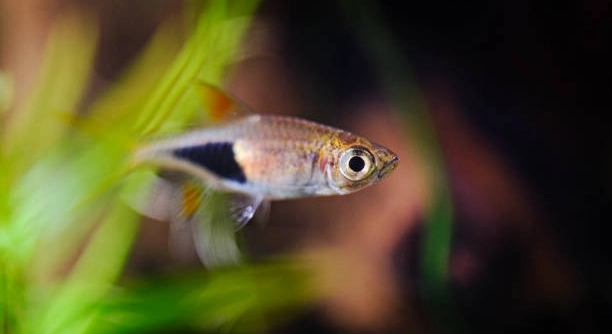
Rasboras often swim in groups, creating a lively and coordinated display in aquariums. Their schooling behavior can change depending on their environment and social cues. Observing their patterns offers insights into their natural instincts and needs.
Rasboras school tighter than usual primarily due to stress, environmental changes, or perceived threats. These factors trigger a survival response, causing the fish to group closely together to reduce vulnerability and increase safety within their habitat.
Understanding why rasboras adjust their schooling can help improve their care and tank conditions. This knowledge supports healthier, more natural behavior in your aquarium.
Reasons Rasboras School More Tightly
Rasboras naturally group together for protection. When they feel stressed, such as from sudden changes in water temperature or poor water quality, they tighten their schools. This behavior helps them feel safer by making it harder for predators to single out one fish. Overcrowding in the tank or aggressive tank mates can also cause rasboras to bunch up. Sometimes, they react this way if the lighting is too bright or inconsistent. Even changes in decorations or plants might make them uneasy, leading to tighter schooling. Observing these signs early can help adjust tank conditions to keep the fish comfortable. Understanding these reasons can make a noticeable difference in their behavior and overall health.
Environmental stressors like poor water quality or aggressive tank mates often lead to tighter schooling among rasboras.
Careful observation and adjustments can prevent prolonged stress and promote a calmer tank environment for your rasboras.
How to Encourage Comfortable Schooling
Providing a stable environment is key to helping rasboras feel secure and spread out naturally. Maintaining clean water with proper filtration and consistent temperature will reduce stress. Adding plenty of plants and hiding spots gives them safe places to retreat, easing anxiety. Avoid overcrowding your tank by keeping the right number of fish for its size. Be mindful of tank mates—choose peaceful species that won’t harass the rasboras. Gradual changes in lighting or tank layout help fish adjust without stress. Regular monitoring of their behavior helps you catch signs of discomfort early. With these steps, your rasboras can school naturally, displaying their beautiful and relaxed group behavior. Keeping their environment stable is the best way to ensure they thrive and show their typical schooling patterns.
Signs of Stress in Rasboras
Rasboras show stress through changes in behavior and appearance. They may school more tightly or hide excessively. Other signs include loss of color, erratic swimming, or reduced appetite. Watching for these clues helps catch problems early.
When rasboras are stressed, they often appear less vibrant and active. Tight schooling is a common defense mechanism but can indicate discomfort if prolonged. Erratic swimming or darting around the tank suggests unease. Stress also weakens their immune system, making them vulnerable to illness. Changes in appetite, such as eating less or refusing food, are important to note. These signs together point to issues in their environment that need correction. Regularly observing your fish’s behavior will help identify stress before it worsens.
It’s important to act quickly when you notice stress signs. Adjust water parameters, improve tank conditions, and reduce disturbances. A calm, stable environment helps rasboras regain their natural behavior and vibrant colors. Consistent care supports their health and comfort over time.
Adjusting Tank Conditions to Reduce Tight Schooling
Tight schooling often signals a need for better tank conditions. Improving water quality and ensuring proper tank size are essential. Stable temperature and gentle filtration reduce stress levels in rasboras.
Maintaining optimal water parameters is crucial for rasbora wellbeing. Regular water changes keep ammonia and nitrate levels low, preventing toxic buildup. The tank size should allow enough space for swimming freely without feeling crowded. Providing gentle water flow mimics their natural habitat and reduces stress. Consistent temperature between 72-79°F supports their comfort. Adding plants and hiding spots creates a secure environment, lessening the need for tight schooling. Keeping the tank quiet and avoiding sudden movements near the aquarium also help maintain calm behavior. These adjustments improve overall fish health and encourage normal schooling patterns.
Role of Tank Mates in Schooling Behavior
Tank mates can greatly affect how tightly rasboras school. Aggressive or overly active fish cause stress, leading to tighter grouping. Calm, peaceful companions help them feel secure and relaxed.
Choosing compatible tank mates is important. Rasboras do best with species that won’t chase or intimidate them, allowing natural schooling without stress.
Feeding and Its Impact on Schooling
Feeding routines can influence how rasboras behave in groups. Uneven feeding or competition may cause them to bunch up, trying to secure food quickly. Regular, balanced feeding reduces this stress and promotes calmer schooling.
Importance of Lighting and Environment
Lighting intensity and tank layout affect rasbora comfort. Bright lights or sudden changes can trigger tighter schooling. Soft lighting and stable surroundings encourage relaxed group movement.
Monitoring for Long-Term Health
Observing schooling patterns helps track rasbora health over time. Sudden changes can indicate issues needing attention.
FAQ
Why do rasboras school more tightly at night?
Rasboras tend to group more closely at night because it helps them feel safer when visibility is low. This tighter schooling reduces the chance of being targeted by predators. It’s a natural behavior that provides protection in dim conditions. Ensuring a calm tank environment during night hours helps them relax.
Can overcrowding cause rasboras to school tighter?
Yes, overcrowding in the tank often forces rasboras to swim closer together. When space is limited, they don’t have much room to spread out. Overcrowding also increases stress and competition for resources. Maintaining the recommended number of fish per gallon is essential for healthy schooling behavior.
How does water quality affect rasbora schooling?
Poor water quality causes stress, which leads to tighter schooling. High levels of ammonia, nitrites, or nitrates irritate the fish, making them feel unsafe. Clean, well-filtered water reduces stress and encourages natural, relaxed schooling. Regular testing and maintenance keep water conditions ideal.
Do rasboras school tighter when they are sick?
Illness can cause rasboras to school more closely as a defensive behavior. Sick fish may feel vulnerable and seek safety in numbers. However, some diseases also cause lethargy or isolation. Observing other symptoms like discoloration or abnormal swimming can help identify health issues.
Is lighting important for rasbora schooling behavior?
Yes, lighting plays a significant role. Bright or fluctuating lights can stress rasboras, causing tighter schooling. Soft, steady lighting mimics their natural habitat and helps them feel secure. Gradual changes in light levels during day and night cycles also support normal behavior.
Will adding plants help reduce tight schooling?
Adding live or artificial plants creates hiding spots and breaks up open space. This helps rasboras feel safer and reduces stress-induced tight schooling. Plants also improve water quality by absorbing nitrates, making the environment healthier overall.
How many rasboras should be kept together?
Rasboras are schooling fish and feel most comfortable in groups of six or more. Smaller groups may lead to anxiety and tighter schooling. Larger groups allow them to spread out more naturally and display healthier social behavior.
Can changing tank decorations affect schooling?
Yes, sudden changes in tank decor can startle rasboras, causing them to school tightly until they adjust. Introducing new plants or rearranging hides should be done gradually to minimize stress and allow the fish time to settle.
Does diet impact rasbora behavior?
A balanced, consistent diet reduces competition during feeding times and lowers stress levels. Uneven feeding or low-quality food may cause aggressive feeding behavior, leading to tighter grouping. Feeding small amounts several times a day encourages calm and healthy schooling.
Are there specific tank mates that help rasboras feel secure?
Peaceful fish that do not compete aggressively for space or food make ideal tank mates for rasboras. Species like small tetras, peaceful catfish, and dwarf gouramis can help create a relaxed community. Avoid larger or territorial fish that might intimidate them.
How long does it take for rasboras to adjust to a new tank?
Adjustment times vary but typically take one to two weeks. During this period, rasboras may school tightly as they explore and assess their new environment. Keeping conditions stable and stress-free helps speed up this transition.
What is the best temperature range for comfortable schooling?
Rasboras thrive between 72°F and 79°F (22°C to 26°C). Temperatures outside this range can cause stress, affecting schooling patterns. Using a reliable heater and thermometer keeps water temperature steady and supports healthy behavior.
Can sudden noises affect rasbora schooling?
Loud or sudden noises can startle rasboras, making them school tighter temporarily. Keeping the tank in a quiet area or minimizing abrupt sounds helps maintain a calm environment, encouraging normal schooling.
What role does tank size play in schooling tightness?
A small tank limits swimming space, causing rasboras to cluster more closely. Larger tanks provide room to spread out and swim freely. Ensuring adequate tank size for your group reduces stress and promotes natural schooling behavior.
Rasboras are naturally social fish that rely on schooling to feel safe and comfortable. When they school tighter than usual, it usually signals some form of stress or change in their environment. This behavior is an instinctive way to protect themselves from potential threats or discomfort. Understanding why rasboras group closely helps in creating better conditions for them to thrive. It’s important to recognize the common causes such as poor water quality, overcrowding, aggressive tank mates, or sudden changes in lighting and decorations. Addressing these factors allows the fish to return to their normal, relaxed schooling behavior.
Maintaining a stable and comfortable tank environment is key to reducing tight schooling in rasboras. Regular water testing and cleaning keep the water safe and free from harmful chemicals that cause stress. Providing enough space and choosing compatible tank mates prevent overcrowding and aggression, which are common reasons for tighter schools. Including plenty of plants and hiding spots creates a secure space where rasboras feel protected. It also helps to keep the lighting consistent and gentle, as sudden changes or bright lights can startle the fish and cause them to bunch together. Feeding a balanced diet on a regular schedule also plays a role in calming their behavior.
Observing rasboras closely is essential to understanding their needs and adjusting care accordingly. Changes in their schooling patterns are often the first signs of discomfort or health problems. By paying attention to these behaviors, it is possible to identify stress factors early and improve their environment. Small adjustments can make a big difference in the health and happiness of your fish. In the end, a calm, well-maintained tank will encourage rasboras to school naturally, showing their full colors and active personalities. Taking these steps helps ensure that your rasboras remain healthy and display the beautiful, tight schooling behavior that makes them so enjoyable to watch.

Hello,
If you enjoy the content that we create, please consider saying a "Thank You!" by leaving a tip.
Every little bit helps us continue crafting quality advice that supports the health, happiness, and well-being of pets around the world, for pets of all shapes, sizes, and species.
We really appreciate the kindness and support that you show us!