
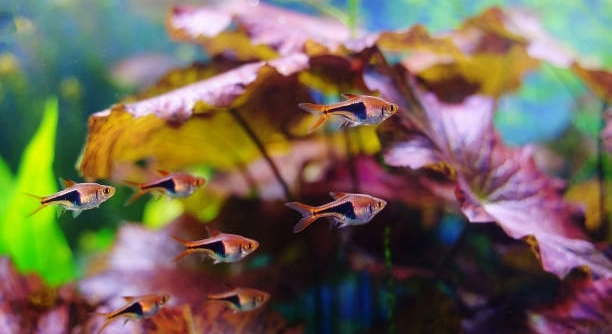
Rasboras are small, lively fish that add charm to home aquariums. They often interact with their tankmates in subtle ways that show their curiosity and social nature. Understanding these behaviors can improve how you care for them.
Rasboras explore their tankmates by swimming around them, gently nudging with their noses, following movements closely, observing from a distance, mimicking actions, showing color changes, and using body language to communicate. These behaviors help them assess safety and establish social bonds.
Observing these simple interactions helps create a peaceful and healthy environment for all fish in the tank.
Swimming Close to Tankmates
Rasboras often swim near other fish as a way to check them out. They like to stay close without touching at first. This helps them feel safe while they watch how the others behave. Swimming nearby also shows that they are interested in their tankmates and want to learn more. You might see them circling around a new fish or following one that moves slowly. This gentle approach is common among rasboras because they prefer peaceful company. It also lets them spot any signs of aggression or stress from others before getting too close. If the tankmates respond calmly, rasboras usually become more comfortable and will swim alongside them more often. This behavior is a quiet way to build trust without causing trouble. Watching this can be calming and tells you that your rasboras feel secure in their environment.
Swimming close helps rasboras stay aware and connected in the tank. It’s their way of socializing carefully.
Seeing rasboras swim close to others shows they are curious but cautious. This interaction is key to their comfort. If you notice rasboras staying apart, it might mean they feel threatened or uneasy with some tankmates. Ensuring the tank has enough hiding spots and space helps all fish feel relaxed. Over time, rasboras will use this gentle swimming to form peaceful groups and avoid conflicts. It’s a simple behavior that supports harmony and helps keep the aquarium balanced.
Nudging and Touching
Rasboras sometimes gently nudge their tankmates with their noses. This is a soft way to check or communicate. It can mean they are curious or want to see if the other fish is friendly. Nudging happens mostly when rasboras meet new fish or when they want to get attention. It’s not aggressive; instead, it shows a calm approach to interaction. Sometimes this touch encourages the other fish to move or respond. You might see a rasbora lightly bump another fish or tap a plant nearby after a nudge. This behavior helps them explore their space and neighbors. Nudging is also a way to test if the tankmate is safe and not a threat. If the nudged fish reacts calmly, rasboras often continue to engage peacefully.
Gentle nudging lets rasboras learn more about their tankmates and surroundings.
Understanding nudging is helpful because it signals rasboras’ comfort level. If they nudge often without signs of stress, it means the group is well adjusted. If nudges cause quick escapes or agitation, some fish might not get along well. Watching these interactions gives clues about tank dynamics and can help improve fish harmony by adjusting the tank setup or fish mix. Nudging is just one of the many subtle ways rasboras explore and communicate in their small aquatic world.
Observing from a Distance
Rasboras often watch their tankmates from afar before getting closer. This helps them feel safe and learn about other fish’s behavior. It’s a cautious way to explore their environment without risking danger.
Watching quietly allows rasboras to assess if a fish is calm or aggressive. They stay still or move slowly while keeping an eye on others. This distance helps them decide when it’s safe to approach or swim nearby. It also prevents unnecessary stress for both the rasboras and their tankmates. If they see signs of conflict or sudden movements, they stay back until things calm down. This patient observation is part of how rasboras adapt to their surroundings and keep the peace.
This distant observation helps rasboras manage their comfort and safety. It’s an important skill for small fish living in a shared space.
Mimicking Movements
Rasboras sometimes copy the actions of their tankmates. They follow the same swimming patterns or turn in the same direction. This helps them blend in and feel part of the group.
Mimicking is a way for rasboras to build trust and reduce stress. When they mirror tankmates, it shows they are relaxed and paying close attention. This behavior also helps with social bonding and signals peaceful intentions. In some cases, copying movements allows rasboras to learn about feeding spots or safe zones. It’s subtle but effective for staying connected. When fish swim together smoothly, the tank atmosphere becomes calmer. This natural mimicry is one reason why rasboras fit well in community tanks with other peaceful species.
Color Changes
Rasboras may change their colors slightly when exploring tankmates. This subtle shift helps them communicate mood or stress. It’s a quiet way to show how they feel without making noise.
These color changes can mean curiosity, caution, or excitement. They help rasboras signal their intentions and avoid conflict.
Using Body Language
Rasboras use their fins and body posture to send messages. When they flare fins or swim with confidence, it shows interest or dominance. A lowered body or quick dart means caution or fear. This nonverbal communication helps maintain balance in the tank.
Following Movements
Following other fish is common for rasboras. They track the movements of tankmates to stay safe and learn about food or hiding spots. This behavior also helps them stay connected and reduces stress in a busy tank.
Gentle Chasing
Rasboras sometimes chase tankmates softly. This isn’t aggressive but a way to play or encourage interaction. It can also be a method to test boundaries without causing harm.
How do rasboras react to new tankmates?
Rasboras usually react to new tankmates with cautious curiosity. They observe from a distance first, slowly swimming closer as they feel safer. Sometimes they may gently nudge or follow the newcomer to learn more. If the new fish is calm and peaceful, rasboras tend to accept them quickly. However, if the new tankmate shows aggression or rapid movements, rasboras may stay hidden or keep their distance. Providing plenty of hiding spots and plants helps rasboras feel more secure during this adjustment time.
Can rasboras live peacefully with aggressive fish?
Rasboras prefer peaceful tankmates and do best in calm community tanks. Aggressive fish cause stress and may harm them. While some rasboras might hide or try to avoid conflict, continuous aggression can affect their health. It’s best to choose tankmates with similar temperaments and avoid species known for fin-nipping or chasing. Keeping a well-planted tank with enough space also reduces tension and helps rasboras feel safe.
Why do rasboras follow other fish around the tank?
Following other fish is a natural way for rasboras to explore and stay connected. It helps them find food and safe places. This behavior also shows social bonding and reduces anxiety. When rasboras swim in groups or trail calm tankmates, it creates a peaceful environment. If they follow nervous or fast-moving fish, it might indicate they are unsure or trying to avoid danger.
What does it mean when rasboras change color?
Color changes in rasboras often reflect mood or health. When curious or relaxed, their colors appear bright and clear. Stress, fear, or illness can cause dull or faded colors. Color shifts may also happen during social interactions, like signaling caution or interest. Regular water changes and good nutrition support healthy coloration and overall well-being.
How do rasboras communicate with their tankmates?
Rasboras use body language like fin movements, swimming patterns, and gentle nudges to communicate. Flared fins or confident swimming can show dominance or interest, while darting or lowered posture signals caution or fear. These subtle signals help them avoid fights and build peaceful relationships in the tank.
Is it normal for rasboras to chase other fish?
Gentle chasing can be normal and is usually playful or exploratory. Rasboras may chase tankmates to encourage interaction or test boundaries without aggression. However, if chasing turns aggressive or causes stress, it’s a sign of poor tank harmony. Adjusting tankmates or environment can help reduce this behavior.
How can I help my rasboras feel comfortable with new fish?
Introduce new fish slowly and provide plenty of hiding spots. Keep the tank well-planted and avoid sudden changes in water conditions. Observing rasboras’ behavior and giving them space to adjust without pressure supports their comfort. Feeding them regularly and maintaining good water quality also lowers stress during introductions.
What tankmates are best for rasboras?
Ideal tankmates for rasboras are peaceful, small to medium-sized fish like tetras, gouramis, or Corydoras catfish. These species have calm temperaments and similar water needs. Avoid aggressive or large fish that might bully or stress rasboras. Ensuring compatible tankmates promotes a peaceful community and lets rasboras display their natural behaviors.
Can rasboras get stressed by too many tankmates?
Yes, overcrowding or incompatible fish can stress rasboras. Stress weakens their immune system and may cause color fading or hiding. A balanced number of fish with plenty of space and hiding places keeps rasboras relaxed and healthy. Regular monitoring of tank conditions helps prevent overcrowding issues.
Why do rasboras sometimes ignore other fish?
Ignoring other fish can mean rasboras feel safe or uninterested. If tankmates are calm and non-threatening, rasboras don’t need to pay much attention. It can also happen when they focus on feeding or resting. This behavior shows they are comfortable in their environment and not worried about danger.
These frequently asked questions cover common concerns about how rasboras interact with their tankmates. Understanding these behaviors helps create a peaceful and healthy aquarium for your rasboras and their companions.
Rasboras are gentle fish that explore their tankmates in quiet and careful ways. They use simple behaviors like swimming close, nudging, watching from a distance, and even changing colors to understand and interact with others. These actions help rasboras feel safe and build peaceful relationships in their shared home. Watching these small interactions can give you clues about how comfortable your fish are with each other and if any changes might be needed in the tank setup.
It is important to remember that rasboras prefer calm environments and gentle company. They are not aggressive and do best with other peaceful fish. If they feel threatened or stressed, their behavior will change — they may hide more, show duller colors, or avoid swimming near others. Providing enough space, plants, and hiding places supports their natural way of exploring and communicating. Taking the time to understand these behaviors will help you create a healthy and balanced aquarium where your rasboras and tankmates can thrive together.
Overall, rasboras’ ways of exploring are quiet but meaningful. Their small movements and gentle interactions tell a story about their comfort and social bonds. By paying attention to these signs, you can ensure your tank is a safe and friendly environment for all its inhabitants. This understanding also makes caring for your fish more rewarding, as you can respond better to their needs and enjoy watching their natural behaviors. Rasboras bring a peaceful charm to any aquarium, and knowing how they explore helps keep that charm alive.

Hello,
If you enjoy the content that we create, please consider saying a "Thank You!" by leaving a tip.
Every little bit helps us continue crafting quality advice that supports the health, happiness, and well-being of pets around the world, for pets of all shapes, sizes, and species.
We really appreciate the kindness and support that you show us!