
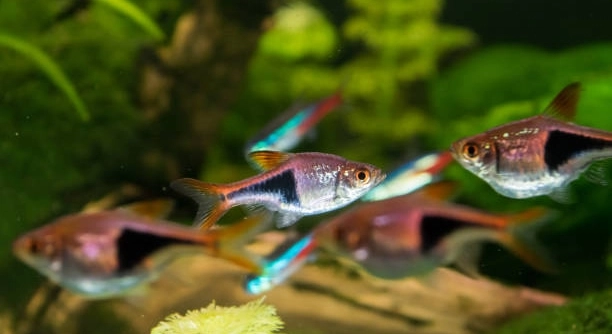
Rasboras are popular small fish that many hobbyists enjoy keeping in home aquariums. They have specific preferences when it comes to their tank environment. These preferences often include the tank level where they feel most comfortable and active.
Rasboras prefer certain tank levels mainly because of their natural behavior and habitat. They tend to occupy mid to upper levels of the tank where they find food, avoid predators, and swim comfortably. Tank setup influences their health and stress levels significantly.
Understanding these preferences helps ensure rasboras thrive in captivity. Knowing where they like to swim can improve tank design and overall care for these lively fish.
Natural Habitat Influences Tank Level Preference
Rasboras naturally live in slow-moving streams and shallow waters where plants and floating leaves provide cover. They are used to staying near the water surface but not too close, as they need protection from predators above. This behavior makes them prefer the middle and upper parts of a tank. The plants and decorations in these levels give them hiding spots and areas to explore. Rasboras also like to swim in groups, so having enough open space at these levels is important for their social behavior. In tanks without proper vertical space, rasboras may feel stressed or hide more often. Tank lighting and water flow affect where rasboras prefer to stay as well. Bright light on the surface can make them seek shaded middle areas, while gentle water movement mimics their natural environment and encourages normal swimming habits.
Rasboras’ preference for mid to upper tank levels is strongly tied to their natural surroundings and safety needs.
Adjusting the tank layout to resemble their habitat helps rasboras feel secure and active. Adding plants and decorations around the midsection creates a familiar environment. Open swimming space near the top allows them to move freely while still offering shelter. Avoid overcrowding the tank, as rasboras need room for their schooling behavior. Proper water quality and gentle flow also support their well-being. Recognizing these needs leads to healthier, happier fish that display natural behaviors. By setting up the tank thoughtfully, you can enjoy watching rasboras thrive in their preferred levels.
Tank Setup and Environmental Factors
The tank’s structure impacts where rasboras choose to spend time. A tall tank with varied vertical zones is ideal.
Lighting, temperature, and water flow influence their activity and location in the tank. Keeping these factors balanced supports their natural behavior.
Feeding Behavior and Tank Levels
Rasboras usually feed near the surface and mid-levels of the tank. They prefer floating or slow-sinking foods that are easy to catch. Feeding habits influence where they spend most of their time.
Because rasboras are naturally surface feeders, providing flakes or pellets that float encourages them to stay near the upper part of the tank. They also enjoy live or frozen foods like daphnia and brine shrimp, which often hover mid-water. Offering food in different tank areas can help observe their movement and adjust the environment accordingly. Feeding frequency and food type impact their energy and swimming patterns. Overfeeding should be avoided to prevent water quality problems.
In a well-maintained tank, feeding times become predictable, and rasboras develop a routine. This routine reinforces their preference for certain tank levels and supports social behaviors like schooling during feeding. Knowing their feeding behavior helps in creating a comfortable and stimulating tank environment.
Social Behavior and Tank Levels
Rasboras are schooling fish and feel safer in groups, which affects their position in the tank. They swim together mostly in mid to upper levels.
Swimming in groups helps rasboras feel less stressed and more secure. When kept in smaller numbers, they may hide or stay near the bottom, showing signs of discomfort. A larger group encourages more natural behavior, including active swimming and exploring preferred tank areas. The tank setup should allow enough space for the entire school to move freely without overcrowding. Plants, open water, and gentle currents all help create an environment that supports their social nature. Proper group size and environment ensure rasboras stay healthy and display vibrant colors.
Lighting and Tank Levels
Rasboras prefer moderate lighting that mimics their natural environment. Too much light can cause stress and push them to lower tank levels.
Dimming the lights or providing shaded areas with plants helps rasboras feel secure. Proper lighting encourages activity in their preferred mid to upper tank zones.
Tank Mates Influence
The choice of tank mates affects where rasboras swim. Peaceful fish encourage rasboras to stay in open mid-level spaces, while aggressive neighbors force them to hide lower.
Tank mates that share similar swimming levels and temperaments promote a calm environment. Careful selection of companions reduces stress and supports healthy behavior in rasboras.
Water Quality and Tank Levels
Maintaining clean, stable water conditions is essential for rasboras to feel comfortable in their preferred tank zones. Poor water quality often causes them to hide or stay low.
Temperature Effects
Rasboras thrive in moderately warm water. Temperature changes influence their activity and preferred swimming levels. Stable temperature helps maintain normal behavior.
FAQ
Why do rasboras prefer the middle and upper tank levels?
Rasboras naturally swim in the mid to upper water layers because these levels offer better access to food and shelter. In the wild, they avoid predators by staying near plants and floating leaves. These areas also have more oxygen and light, which helps them stay active and healthy. Their behavior in aquariums reflects this instinct, so they tend to avoid the tank bottom where predators or threats might lurk.
Can rasboras adapt to different tank levels if the environment changes?
Rasboras are somewhat adaptable, but they prefer stable environments that mimic their natural habitat. If the tank’s setup changes—like adding strong bottom lighting or aggressive tank mates—they may move to different levels temporarily. However, long-term discomfort can cause stress, illness, or hiding behaviors. Providing plenty of plants and calm waters encourages them to return to their preferred swimming zones.
How many rasboras should be kept together for healthy social behavior?
It’s best to keep rasboras in groups of at least six or more. They are schooling fish, which means they feel safe and confident when swimming in numbers. Smaller groups or solitary fish often become shy, stressed, or hide near the tank bottom. Larger schools also display more natural behaviors and lively swimming, which is enjoyable to watch.
What kind of tank plants help rasboras feel secure?
Floating plants and mid-height plants with broad leaves work well for rasboras. These plants provide shelter and break up bright light, creating shaded areas where rasboras feel safer. Plants like Java fern, Amazon sword, or water sprite are good choices. Avoid tall, dense plants that block the entire tank because rasboras still need open swimming space in mid and upper areas.
How does lighting affect rasbora behavior?
Rasboras prefer moderate to low lighting. Bright, harsh lights can stress them, causing them to hide or stay low in the tank. Dimmer lights or areas with shade help reduce stress and encourage normal swimming. Using adjustable lighting or floating plants can help create a natural, comfortable environment.
What foods should I feed rasboras to encourage swimming at mid and upper levels?
Floating flakes or pellets are ideal because rasboras naturally feed near the surface. Live or frozen foods like daphnia, brine shrimp, and bloodworms also encourage activity in mid-level water. Feeding in small amounts several times a day keeps them active without polluting the water.
Do tank mates influence where rasboras swim?
Yes, peaceful tank mates help rasboras feel safe in open mid and upper tank areas. Aggressive or territorial fish can push rasboras to hide near the bottom or corners of the tank. Choose companions that share similar temperaments and swimming levels to maintain a calm, balanced environment.
How often should water changes be done to keep rasboras comfortable?
Regular water changes, about 20-30% weekly, are important to keep water quality high. Poor water quality stresses rasboras and may cause them to stay low or hide. Clean, stable water supports their health and natural swimming preferences.
What is the ideal water temperature for rasboras?
Rasboras prefer temperatures between 74°F and 80°F (23°C–27°C). Stable temperature within this range keeps them active and comfortable in their preferred tank levels. Sudden temperature drops or spikes can cause stress and change their swimming behavior.
Can rasboras live in tanks without plants?
While rasboras can survive without plants, they feel more secure and behave naturally in planted tanks. Plants provide shelter, reduce stress, and create preferred swimming zones. Without plants, rasboras may hide more often or become less active.
Why do rasboras sometimes dart to the tank bottom?
Darting to the bottom is usually a reaction to stress, sudden movements, or changes in the tank environment. It can also happen if water quality drops or if they feel threatened by tank mates. Monitoring tank conditions and reducing stress factors helps minimize this behavior.
Is tank height important for rasboras?
Tank height matters because rasboras prefer vertical space to swim freely in mid and upper areas. Taller tanks allow more natural swimming patterns and comfort. Shallow tanks limit their movement and may cause stress.
How does water flow affect rasboras’ swimming levels?
Rasboras prefer gentle water flow that mimics their natural habitats. Strong currents can force them to hide or stay in calmer, lower areas. Proper filtration with adjustable flow supports healthy activity and preferred swimming zones.
Final Thoughts
Rasboras are small, active fish that bring life to any aquarium. Understanding their preference for certain tank levels helps keep them healthy and comfortable. These fish naturally spend most of their time swimming in the middle and upper parts of the tank because that is where they find food, safety, and room to move. Mimicking their natural habitat by providing plants, gentle lighting, and calm water conditions supports their well-being. Paying attention to these details creates a better environment where rasboras can thrive.
The tank setup plays a big role in how rasboras behave. Providing a tall tank with varied vertical spaces allows them to swim naturally in their preferred areas. Plants placed in the mid and upper sections give hiding spots and shade, making rasboras feel secure. Lighting should not be too bright, as harsh light can cause stress and push them to the lower tank levels. Water flow should be gentle, similar to slow-moving streams where rasboras come from. Careful tank design not only helps rasboras stay active but also shows their natural colors and social behaviors.
Taking care of rasboras also means paying attention to their social needs and water quality. These fish do best in groups of six or more, as they are schooling fish that feel safer and more confident together. When kept in proper numbers, rasboras swim in groups near the middle and upper tank levels, showing lively and natural behavior. Regular water changes and stable temperatures keep the tank clean and comfortable for them. Overall, understanding and meeting these needs ensures that rasboras live a healthy, happy life and provide enjoyment to anyone watching their graceful movements.

Hello,
If you enjoy the content that we create, please consider saying a "Thank You!" by leaving a tip.
Every little bit helps us continue crafting quality advice that supports the health, happiness, and well-being of pets around the world, for pets of all shapes, sizes, and species.
We really appreciate the kindness and support that you show us!