
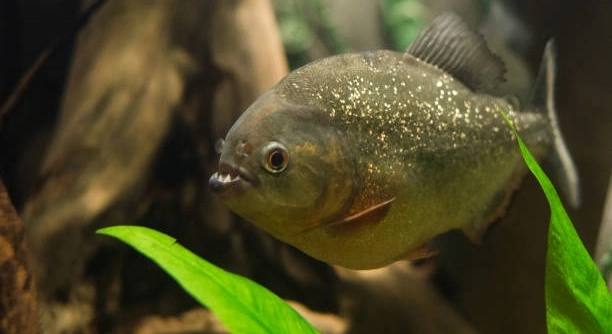
Many aquarium owners enjoy adding plants to their tanks for decoration and fish health. Piranhas are known to be aggressive, often damaging or destroying plants in their environment. Finding plants that can survive with piranhas can be challenging but rewarding.
Seven specific tank plants have been identified that piranhas typically do not destroy. These plants have sturdy leaves, strong stems, or growth habits that discourage piranha nibbling or uprooting. Such resilient plants help maintain a balanced, attractive aquarium despite piranha activity.
These plants offer a great way to keep your aquarium vibrant and healthy while coping with piranha behavior. Exploring these options can improve your tank’s look and provide a better home for your fish.
Amazon Sword Plant
The Amazon Sword Plant is one of the most popular choices for aquariums because it is both hardy and attractive. It has broad, thick leaves that piranhas tend to avoid since they are difficult to bite through. This plant grows well in a range of water conditions and provides plenty of hiding spots for fish. Its roots help stabilize the substrate, making it harder for piranhas to uproot it. The Amazon Sword also absorbs excess nutrients from the water, helping to keep the tank clean. Regular trimming can encourage healthy growth and prevent it from overtaking the tank. Many aquarists find that this plant lasts longer than most in tanks with aggressive fish like piranhas, making it a reliable choice. It creates a natural environment that supports both the plants and fish without frequent replacements or damage.
Its durability makes the Amazon Sword Plant a smart addition for piranha tanks.
If you want a plant that can withstand rough behavior and still look good, the Amazon Sword Plant is a top pick. It adds greenery and structure to your aquarium while staying mostly untouched by piranhas.
Java Fern
Java Fern is another excellent option that piranhas rarely damage. This plant has thick, leathery leaves that are tough for fish to chew. It grows attached to rocks or driftwood, so it doesn’t rely on the substrate. Because of this, piranhas find it harder to pull out or uproot. Java Fern thrives in low to moderate light and doesn’t require much care, making it ideal for busy aquarium owners. Its slow growth helps maintain balance in the tank without overcrowding the space. This plant also supports beneficial bacteria that improve water quality, which helps keep fish healthy. Overall, Java Fern combines ease of care with resilience, fitting well in aggressive fish tanks without needing constant replacement. Many who keep piranhas appreciate this plant for both its hardiness and its natural look.
Java Fern’s strength and low maintenance make it perfect for aquariums with aggressive fish.
Adding Java Fern brings green life to your tank without worrying about constant damage. It offers a natural touch while standing up to the tough habits of piranhas.
Anubias
Anubias is a tough plant that piranhas rarely touch because of its thick, waxy leaves. It grows slowly and attaches firmly to decorations or rocks, making it hard to uproot. This plant needs low to moderate light and minimal care.
Anubias thrives in a variety of water conditions, making it a flexible option for many tanks. Its sturdy leaves discourage piranhas from nibbling, helping it stay intact longer than many other plants. Because it attaches to surfaces rather than rooting in substrate, it avoids damage from digging or aggressive behavior. It also grows well in shaded areas, offering shelter for shy fish. This plant’s slow growth means it won’t take over your tank but will add steady greenery and texture, creating a more natural environment that complements piranha habitats.
Due to its durability and low maintenance needs, Anubias is widely used in tanks with rough fish. It maintains a healthy look without demanding constant care or replacement.
Vallisneria
Vallisneria is a fast-growing, grass-like plant that can withstand piranha activity thanks to its long, ribbon-shaped leaves. These leaves grow from the base and can bend with fish movement, reducing damage.
This plant spreads quickly through runners, helping to fill empty spaces and stabilize the substrate. Piranhas tend to avoid tearing its flexible leaves because they move easily and don’t break off quickly. Vallisneria also helps oxygenate the water, improving overall tank health. It thrives in moderate light and tolerates a wide temperature range, making it easy to keep. While it grows faster than many other resilient plants, regular trimming will keep it manageable and encourage healthy growth. It’s a strong addition for piranha tanks that need green coverage and natural aesthetics without constant replacement or damage.
Cryptocoryne
Cryptocoryne is a sturdy plant with thick leaves that resist piranha bites. It grows slowly and adapts well to different water conditions, making it a reliable choice for many tanks.
Its roots hold firmly in the substrate, which helps prevent piranhas from pulling it out. Cryptocoryne offers a natural look without needing frequent care or replacement.
Hornwort
Hornwort is a floating or anchored plant that grows quickly and is hard for piranhas to destroy. Its thin, needle-like leaves are tough to bite through, providing good cover for fish.
Water Wisteria
Water Wisteria grows fast and has finely divided leaves that create dense foliage. This plant’s growth helps absorb excess nutrients, improving water quality and preventing algae buildup. Its flexible stems and leaves bend easily, discouraging piranhas from tearing or eating it. Water Wisteria thrives in moderate to high light and adapts well to different water temperatures, making it easy to maintain. It spreads quickly, filling spaces in the tank and offering shelter for fish. Regular trimming keeps it tidy and healthy without stressing the plant or the fish.
Bacopa Caroliniana
Bacopa Caroliniana has thick, firm leaves that piranhas generally avoid. It grows upright and can tolerate various water conditions, adding height and greenery to the tank without much damage.
FAQ
What makes a plant resistant to piranha damage?
Plants that resist piranha damage usually have tough, thick, or waxy leaves that are hard to bite or tear. Some have flexible stems or leaves that bend without breaking. Others grow firmly attached to rocks or decorations, making them difficult for piranhas to uproot. Slow-growing plants with strong roots are less likely to be disturbed by aggressive behavior. These traits help plants survive in tanks with piranhas, who tend to be rough on fragile or soft-leaved plants.
Can piranhas eat all aquarium plants?
Not all aquarium plants are at risk of being eaten by piranhas, but many soft-leaved and delicate plants can get damaged quickly. Piranhas are known for their strong jaws and sharp teeth, so they may bite or tear apart plants that are easy to chew. Choosing hardy plants like Amazon Sword, Anubias, or Java Fern helps reduce the chance of damage. These plants are more resistant and can coexist better with piranhas.
How often should I trim plants in a piranha tank?
Regular trimming is important to keep plants healthy, especially fast-growing types like Vallisneria and Water Wisteria. Trimming every two to four weeks prevents overcrowding and keeps plants from taking over the tank. It also helps remove any damaged or dead leaves, which can affect water quality. For slow-growing plants like Anubias or Cryptocoryne, trimming is less frequent but still necessary to encourage new growth and maintain a neat appearance.
Is substrate important for plant survival in a piranha tank?
Yes, substrate plays a role in plant survival, but some hardy plants like Anubias and Java Fern don’t depend on it since they attach to rocks or wood. For rooted plants like Amazon Sword or Cryptocoryne, a nutrient-rich substrate helps roots grow strong and stay anchored, reducing the chance of being uprooted by piranhas. Using a good substrate can improve overall plant health and tank stability.
Can piranhas harm plants if they are well-fed?
Feeding piranhas regularly can reduce their interest in eating plants, but it does not guarantee plants will be safe. Piranhas may still bite or tear plants out of curiosity, aggression, or boredom. Providing enough food and environmental enrichment helps limit destructive behavior, but selecting tough plants is the best way to protect your aquarium’s greenery.
Are there any plants to avoid with piranhas?
Soft, delicate plants like mosses, Anacharis, and some types of floating plants tend to get destroyed quickly in piranha tanks. These plants have thin leaves or weak stems that break easily. Avoiding fragile plants will save time and frustration. Instead, focus on hardy species that can withstand rough treatment and maintain a healthy look over time.
How can I create a balanced environment for piranhas and plants?
A balanced environment includes choosing the right plants, providing proper lighting, maintaining clean water, and feeding fish adequately. Use resilient plants that match piranha behavior. Keep the tank well-filtered and change water regularly to prevent waste buildup. Adding hiding spots and decorations can reduce stress and aggression in piranhas, which helps protect plants. This approach supports both fish health and plant growth.
Can artificial plants be a good alternative?
Artificial plants are a low-maintenance option that piranhas cannot destroy. They provide decoration without the risk of being eaten or uprooted. However, artificial plants don’t improve water quality or oxygen levels like real plants do. For those who want greenery without the worry, artificial plants are useful, but real plants offer natural benefits to the aquarium ecosystem.
What are some signs that plants are stressed by piranhas?
Signs include torn or missing leaves, uprooted plants, discoloration, and slow growth. If plants look damaged or unhealthy despite proper care, piranha activity might be the cause. Watching fish behavior and tank conditions closely can help identify if plants need more protection or replacement.
How can I protect plants from piranha damage?
Using hardy plants is the first step. Anchoring plants securely, adding decorations that shield plants, and avoiding overcrowding help reduce damage. Feeding piranhas well and providing distractions like toys or other decorations can also lower their focus on plants. Combining these tactics creates a safer environment for your aquarium plants.
Choosing the right plants for a piranha tank can make a big difference in keeping your aquarium healthy and attractive. Piranhas are known for being aggressive and can damage many types of plants. However, some plants are tough enough to handle their behavior. By selecting hardy plants like Amazon Sword, Anubias, Java Fern, and Vallisneria, you can enjoy a green and lively tank without constant worry about damage. These plants have strong leaves or grow in ways that discourage piranhas from biting or uprooting them. This means less time replacing plants and more time enjoying your aquarium.
It is also important to remember that caring for plants in a piranha tank involves more than just picking the right species. Proper tank maintenance, such as good lighting, clean water, and regular trimming, helps plants stay healthy and grow well. Feeding your piranhas regularly can reduce their interest in plants, but it might not completely stop them from damaging leaves or roots. Adding decorations or hiding places can also help lower aggression and protect plants. The goal is to create an environment where both fish and plants can thrive together. This takes some planning but is well worth the effort.
Finally, patience is key when managing plants with piranhas. It may take some time to see which plants do best in your specific tank conditions and with your fish. Some trial and error may be needed to find the right balance. Using hardy plants will give you a good head start and help prevent frustration. Whether you choose live plants or decide to include artificial ones for decoration, knowing what works best with piranhas helps make the aquarium more enjoyable. With care and the right choices, your tank can be a beautiful and healthy space for your fish and plants alike.

Hello,
If you enjoy the content that we create, please consider saying a "Thank You!" by leaving a tip.
Every little bit helps us continue crafting quality advice that supports the health, happiness, and well-being of pets around the world, for pets of all shapes, sizes, and species.
We really appreciate the kindness and support that you show us!