
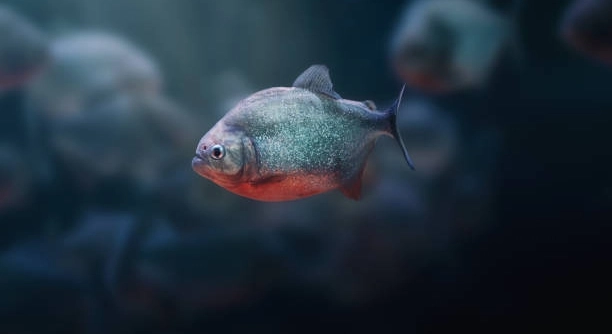
Piranhas are often seen as fierce fish, but their behavior can change depending on the water they live in. Many factors in the water influence how piranhas feel and act. Understanding these can help keep them healthy and calm.
Water quality factors such as temperature, pH levels, dissolved oxygen, ammonia concentration, nitrate levels, hardness, and water clarity significantly affect piranha mood. Each of these elements plays a crucial role in their well-being, influencing stress levels and social behavior in controlled environments.
Knowing these key factors can help you create a better habitat for piranhas. This knowledge is essential for their care and for maintaining a peaceful aquatic environment.
Temperature and Piranha Behavior
Temperature directly influences piranha metabolism and activity. When the water is too cold, piranhas become sluggish and less active. Conversely, warm water can increase their aggression and movement. Maintaining a stable temperature between 75°F and 82°F helps balance their mood and health. Sudden changes in temperature cause stress, leading to erratic behavior or weakened immune responses. Consistent monitoring is important for their wellbeing.
Water temperature needs careful attention to keep piranhas calm and healthy.
A stable temperature creates a comfortable environment where piranhas feel secure. If temperatures fluctuate, piranhas may become agitated or hide more often. Warmer water speeds up metabolism, requiring more oxygen and food, while colder water slows these processes. Maintaining proper temperature control ensures piranhas remain active without becoming overly aggressive or stressed, which supports their overall behavior in captivity.
pH Levels and Their Impact
pH levels indicate water acidity or alkalinity.
Piranhas thrive best in water with a pH between 6.5 and 7.5. Water outside this range can cause discomfort or stress, affecting their mood and health. Acidic water may damage their skin and gills, while alkaline water can interfere with their bodily functions. Regular testing and adjustment of pH help maintain a stable habitat, reducing stress-related aggression or lethargy. This stability is essential for keeping piranhas balanced and responsive to their environment.
Dissolved Oxygen Levels
Dissolved oxygen is crucial for piranha survival. Low oxygen levels cause stress and lethargy.
When oxygen levels drop below 5 mg/L, piranhas can become restless and may gasp at the water surface. This lack of oxygen reduces their energy and weakens their immune system. High oxygen levels promote normal activity and calm behavior. Aeration through filters or air stones helps maintain proper oxygen balance. Ensuring clean water with minimal waste buildup also supports healthy oxygen levels, preventing mood disturbances caused by oxygen deprivation.
Proper oxygen levels help piranhas remain active and social. Low oxygen increases competition and aggression, disrupting their usual calm demeanor and potentially leading to health issues.
Ammonia Concentration
Ammonia forms from fish waste and decaying matter, which is toxic to piranhas.
Even small amounts of ammonia in the tank can cause irritation to their gills and skin, resulting in discomfort and stress. This chemical builds up quickly if the tank is not cleaned regularly or if the filtration system is inadequate. High ammonia levels impair breathing and can lead to lethargy or aggressive outbursts. Regular water changes and proper filtration keep ammonia levels near zero, maintaining a safe environment and preventing mood swings linked to poisoning or discomfort. Monitoring ammonia is essential to avoid long-term damage to piranha health and behavior.
Nitrate Levels
Nitrate is less toxic than ammonia but still harmful in high amounts.
Keeping nitrate levels below 40 ppm is important to avoid stress and illness in piranhas.
Water Hardness
Water hardness affects piranha health by influencing mineral balance. Hard water contains higher calcium and magnesium, while soft water has fewer minerals. Piranhas prefer moderately hard water, which supports their physiological needs and reduces stress. Sudden changes in hardness can cause discomfort and impact their mood negatively.
Water Clarity
Clear water improves oxygen exchange and reduces harmful bacteria growth. Cloudy or dirty water increases stress and irritates piranhas, causing unpredictable behavior. Regular cleaning and filtration keep water clarity optimal, promoting calm and healthy fish.
FAQ
What is the ideal temperature range for piranhas?
Piranhas do best in water between 75°F and 82°F. Temperatures outside this range can cause stress and changes in behavior. Keeping the water temperature stable prevents mood swings and supports their health.
How often should I test the water pH?
Testing pH once a week is recommended. Piranhas prefer a pH between 6.5 and 7.5. Sudden shifts can harm them, so regular checks help maintain stability and prevent mood changes linked to poor water conditions.
Why is dissolved oxygen important for piranhas?
Oxygen is vital for piranha survival and activity. Low oxygen causes stress, lethargy, and can lead to aggressive behavior. Aeration and clean water keep oxygen levels high, supporting a calm environment.
How can I reduce ammonia levels in my tank?
Ammonia comes from waste and decaying matter. Regular water changes and a good filtration system reduce ammonia buildup. Keeping it near zero prevents irritation and stress, which affect piranha mood.
What nitrate levels are safe for piranhas?
Nitrate should stay below 40 ppm. Higher levels cause stress and health problems over time. Frequent water changes and live plants help absorb nitrates and keep water clean.
What does water hardness mean for piranhas?
Water hardness measures mineral content. Piranhas prefer moderately hard water, which supports their biological functions. Sudden changes can upset their balance and behavior. Keeping hardness stable is important.
How does water clarity affect piranhas?
Clear water means less bacteria and better oxygen exchange. Cloudy water irritates piranhas and raises stress levels. Regular cleaning and proper filtration maintain clarity and a calm environment.
Can changes in water quality cause aggression in piranhas?
Yes. Poor water quality, such as high ammonia or fluctuating pH, increases stress and aggression. Stable, clean water helps keep piranhas peaceful and healthy.
What are the signs of water quality problems in piranhas?
Signs include lethargy, hiding, gasping at the surface, or sudden aggression. Regular testing and observation can catch issues before they worsen.
How often should I change the water in my piranha tank?
Changing 20-30% of the water weekly is ideal. This practice reduces toxins, maintains oxygen, and balances pH and hardness, supporting healthy piranha behavior.
Final thoughts on water quality and piranha behavior highlight the importance of maintaining a stable aquatic environment. Each factor, from temperature to water clarity, plays a significant role in shaping how piranhas feel and act. Changes in their habitat can lead to stress, which often shows through altered mood or aggression. By paying close attention to these water conditions, caretakers can provide a comfortable home that supports piranhas’ natural behaviors. This approach helps reduce health issues and creates a more balanced and peaceful tank environment.
Maintaining good water quality is not a one-time task but a continuous process. Regular testing and adjustments are necessary to keep all factors within acceptable ranges. This includes monitoring temperature to avoid sudden shifts, ensuring pH stays stable, and controlling ammonia and nitrate levels. Filtration and water changes are essential to keep water clean and clear. Even water hardness matters for their physical well-being. These small but consistent efforts prevent many common problems that negatively affect piranha mood and health. The payoff is a healthier, calmer group of fish that thrive in their environment.
Understanding how water quality affects piranhas also helps improve their overall care and management. It allows one to respond quickly if behavior changes or health declines. Keeping water conditions ideal reduces stress-induced aggression, making it easier to maintain social harmony among the fish. This knowledge is key for anyone interested in caring for piranhas responsibly. Providing the right environment ensures their longevity and well-being, which benefits both the fish and those who keep them. Consistency and attention to water quality factors remain the foundation of successful piranha care.

Hello,
If you enjoy the content that we create, please consider saying a "Thank You!" by leaving a tip.
Every little bit helps us continue crafting quality advice that supports the health, happiness, and well-being of pets around the world, for pets of all shapes, sizes, and species.
We really appreciate the kindness and support that you show us!