
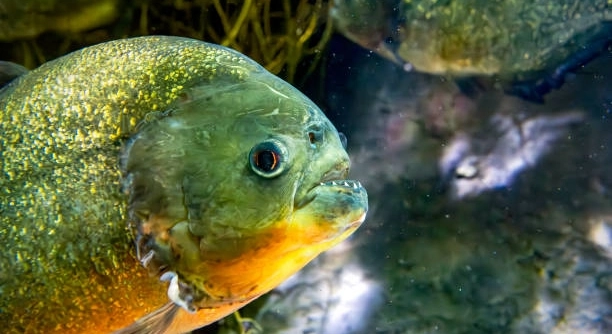
Many aquarium owners enjoy keeping piranhas because of their unique appearance and behavior. Understanding how these fish live alongside others can help create a balanced and healthy tank environment. Knowing their needs is important for any fish enthusiast.
Piranhas are generally aggressive and territorial, making it difficult for them to live peacefully with many other fish species. While some fish can coexist under very specific conditions, careful planning and monitoring are essential to avoid conflict and stress.
Learning about piranhas’ behavior and tank requirements can help you decide the best way to care for them safely and responsibly. This knowledge is valuable for anyone considering a mixed-species aquarium.
Can Piranhas Live with Other Fish?
Piranhas are known for their sharp teeth and bold behavior, which makes many wonder if they can share a tank with other fish. In general, piranhas prefer to live alone or in groups of their own kind. When other fish are introduced, piranhas may see them as threats or food. This aggressive behavior can cause stress or injury to both piranhas and tank mates. Some species that are fast swimmers and large enough might survive alongside piranhas, but the risk remains high. Tank size and hiding spots also play a role in how well different fish coexist. The safest approach is usually to keep piranhas in a species-only tank, which helps reduce fights and ensures a stable environment. This makes care easier and helps piranhas thrive without the danger of constant attacks or stress from unfamiliar fish.
Piranhas tend to be territorial, especially when their space is limited. This makes sharing a tank challenging.
If you decide to keep other fish with piranhas, it is important to carefully research compatible species and monitor interactions closely. Avoid small, slow, or brightly colored fish, as they may trigger aggression. Larger fish with calm temperaments can sometimes coexist but only if the tank is spacious enough. Providing plenty of plants and hiding places helps reduce direct confrontations. Feeding piranhas well is also crucial to limit their hunting instincts. Even with precautions, keeping piranhas with other fish requires patience and vigilance. Often, a separate tank is the best choice to keep all fish safe and stress-free.
What Fish Can Live with Piranhas?
Not many fish can live peacefully with piranhas due to their aggressive nature. Only certain large and fast species may stand a chance.
Some species like large catfish or fast-moving fish such as silver dollars might be able to share space with piranhas. These fish are usually too big or quick to be seen as easy prey. However, every piranha is different, and behavior varies. Tank size and environment strongly influence success. A large tank with lots of hiding spots improves chances, but risks still exist. Careful observation is essential, as piranhas can attack unexpectedly. Many aquarists recommend keeping piranhas alone or only with their kind to avoid issues. The safety of all fish should always be the priority when planning a community aquarium with piranhas.
Tank Setup for Piranhas with Other Fish
A large tank is essential when keeping piranhas with other fish. At least 55 gallons is recommended to provide enough space. Hiding spots and plants help reduce stress and aggression.
Using sturdy decorations like rocks and driftwood creates natural barriers. This allows fish to escape if tensions rise. Artificial plants can be added but choose strong ones that won’t easily be torn. Good water filtration and regular cleaning are also important to keep the environment healthy for all fish.
Keeping the tank well-maintained reduces stress, which helps minimize aggression. Consistent water parameters and a stable temperature are critical for piranhas and any tank mates. Adding soft substrate can also prevent injury during quick movements. Remember, a well-planned tank setup can make a difference, but the natural instincts of piranhas still require careful attention.
Feeding Piranhas with Other Fish Around
Piranhas need a balanced diet to stay healthy and calm. Overfeeding can lead to aggression, so feeding smaller amounts several times a day is better than one large meal.
Feeding a variety of foods like fish fillets, pellets, and occasional vegetables helps meet their nutritional needs. Avoid feeding live feeder fish, as this can encourage aggressive hunting behavior. Feeding piranhas away from other fish or using feeding rings helps keep peace during mealtime. If other fish are present, make sure they get enough food too. Monitoring feeding habits closely prevents competition and reduces chances of conflict in the tank.
Signs of Aggression in Piranhas
Piranhas often show aggression by chasing or biting other fish. They may flare their fins and become more active. Watching for these signs helps prevent serious injuries.
If aggression increases, it might be necessary to separate the fish or remove weaker tank mates to keep everyone safe.
How to Reduce Aggression in a Mixed Tank
Keeping piranhas well-fed and providing plenty of hiding spaces helps lower their aggressive behavior. Avoid overcrowding the tank and choose compatible species that are less likely to provoke them. Regular tank maintenance and monitoring interactions also reduce stress and fights.
When to Separate Piranhas from Other Fish
If piranhas frequently attack or injure other fish, separation is necessary. Early intervention prevents serious harm and helps maintain a peaceful aquarium environment.
Choosing the Right Tank Size
A larger tank gives piranhas and other fish enough space to avoid constant contact, reducing stress and aggression.
FAQ
Can piranhas live peacefully with other fish?
Piranhas are naturally aggressive and territorial, so peaceful cohabitation with other fish is rare. Some large, fast-moving fish might tolerate sharing a tank, but most smaller or slower fish will face danger. Keeping piranhas with other species requires careful planning, a large tank, and constant monitoring to reduce risk.
What are the best fish to keep with piranhas?
Only a few fish can coexist with piranhas safely. Large catfish, such as plecos, or fast swimmers like silver dollars may work because they are too big or quick to be easy targets. Even then, the tank must be spacious, and hiding places plentiful. Compatibility depends on the piranhas’ temperament and the environment.
How large should the tank be for piranhas and other fish?
A minimum of 55 gallons is recommended to provide enough space. Larger tanks give room for territorial boundaries and reduce stress. More space helps fish avoid constant encounters, which lowers aggression levels.
How often should I feed piranhas in a community tank?
Feeding smaller amounts multiple times a day works best. This prevents hunger-driven attacks on other fish. A varied diet with pellets, fish fillets, and vegetables keeps piranhas healthy and less likely to hunt tank mates.
Is it safe to feed live fish to piranhas?
Feeding live fish is not recommended in a community tank. It can encourage aggressive hunting behavior and put other fish at risk. Frozen or prepared foods are safer choices that reduce unnecessary stress and fights.
What signs show that piranhas are stressed or aggressive?
Look for chasing, biting, flared fins, or constant movement. Aggression often increases when the tank is overcrowded or feeding is irregular. Early signs should be taken seriously to prevent injury.
Can plants help reduce aggression in a piranha tank?
Yes, plants and decorations create hiding spots and break lines of sight, which helps reduce aggression. Choose strong plants or artificial ones that withstand piranhas’ sharp teeth.
What should I do if piranhas attack other fish?
If attacks become frequent, separate the piranhas immediately. Injured fish need care, and reducing stress in the tank is crucial. Consider housing piranhas alone if aggression persists.
How do I maintain water quality with multiple fish in the tank?
Regular water changes and good filtration are vital. Overcrowding can cause waste buildup, stressing all fish. Testing water parameters often helps catch problems early.
Are juvenile piranhas less aggressive with other fish?
Young piranhas can be less aggressive but grow more territorial with age. Juveniles might tolerate other fish temporarily, but this usually changes as they mature.
Can piranhas be kept with other aggressive fish?
Keeping multiple aggressive species together increases risks. Fights can escalate quickly, causing injuries. It’s safer to avoid mixing aggressive fish with piranhas unless you have extensive experience.
What temperature and water conditions suit piranhas and their tank mates?
Piranhas prefer warm water between 74°F and 82°F with stable pH around 6.5 to 7.5. Matching these conditions for tank mates is important for everyone’s health and reduces stress.
How often should I monitor interactions in a mixed tank?
Daily observation is recommended, especially in the beginning. Watch for signs of aggression or stress and act quickly if problems arise.
Can tank size alone guarantee peaceful coexistence?
No, tank size helps but does not guarantee peace. Behavior, species choice, and environment all play a role. Even in large tanks, piranhas may attack if stressed or hungry.
Is it better to keep piranhas alone or with other fish?
For most people, keeping piranhas alone is simpler and safer. It reduces risks of injury and stress and makes care easier. Only experienced keepers should attempt mixed tanks.
What is the ideal number of piranhas to keep together?
Small groups of 4 to 6 piranhas often do better together because they feel more secure. Too many or too few can increase aggression.
Do piranhas need special care compared to other freshwater fish?
Yes, they need a proper diet, stable water conditions, and enough space. Their aggressive nature means they require more attention to tank setup and fish compatibility.
How long do piranhas live in captivity?
With good care, piranhas can live 10 to 15 years. Providing a stress-free environment and proper nutrition helps them thrive.
Can I use tank dividers to separate piranhas from other fish?
Dividers can work if used properly. They help keep aggressive fish apart but require enough space for all fish to feel comfortable. Dividers must be secure to prevent injury.
What should I do if a piranha is injured by tank mates?
Isolate the injured piranha and treat wounds as needed. Review tank conditions and fish choices to prevent future conflicts. Injuries can easily become infected if untreated.
When considering whether piranhas can live with other fish, it is important to remember their natural behavior. Piranhas are known to be aggressive and territorial. This means they may not get along well with many other fish. Most of the time, keeping piranhas in a tank alone or with their own kind is the safest choice. This reduces the chance of fights and injuries. It also helps the piranhas stay calm and healthy. If you do want to keep other fish with piranhas, it requires careful planning and attention. Choosing the right tank size, adding hiding places, and feeding properly can help lower aggression. However, even with the best efforts, some risks remain.
A large tank is very helpful when housing piranhas with other fish. It gives all the fish enough space to avoid each other when needed. Adding plants and decorations provides hiding spots, which can reduce stress and fights. Feeding piranhas well and on a regular schedule helps keep their hunger in check, making them less likely to attack other fish. Still, not all fish are good tank mates. Larger and fast-moving fish stand a better chance of living peacefully with piranhas, while smaller or slower fish often become targets. Monitoring how the fish behave together is very important to make sure no one gets hurt.
If piranhas show signs of aggression or cause harm to other fish, it is best to separate them right away. A peaceful aquarium benefits all the fish and makes caring for them easier. Piranhas can live a long time in captivity when their needs are met, including clean water, good food, and enough space. Keeping them alone or in small groups of their own kind usually works best for their health and well-being. Understanding these points can help anyone provide a safe and comfortable home for piranhas, whether they decide to keep them alone or try a carefully managed mixed tank.

Hello,
If you enjoy the content that we create, please consider saying a "Thank You!" by leaving a tip.
Every little bit helps us continue crafting quality advice that supports the health, happiness, and well-being of pets around the world, for pets of all shapes, sizes, and species.
We really appreciate the kindness and support that you show us!