
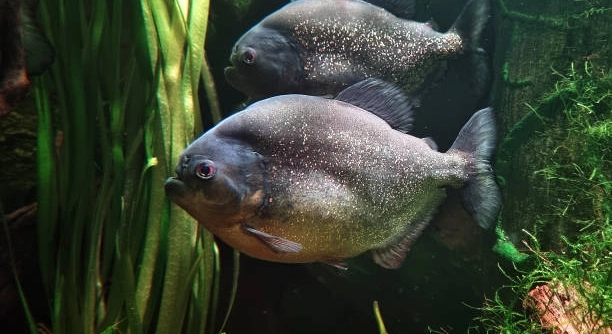
Is your piranha acting jumpy or hiding more often ever since you installed a new filter in its tank?
Piranhas can become stressed or irritated by strong or inconsistent filter flow, which disrupts their sense of security and comfort. Recognizing signs of discomfort early can help you adjust the environment to better suit their needs.
Noticing unusual behaviors may reveal how the flow is affecting your fish’s daily life. Learning these signs can help you create a calmer, healthier home for your piranha.
Sign 1: Your Piranha Hides Constantly
When a piranha is uncomfortable with the filter flow, one of the first things you might notice is increased hiding. This behavior isn’t just about being shy. Strong or erratic water movement can overwhelm them, especially if they don’t have enough calm areas in the tank. In their natural habitat, piranhas prefer slow-moving waters where they feel more secure. When the current is too strong, they may retreat behind decorations, plants, or in tank corners. It’s their way of avoiding something they perceive as stressful or unsafe. If you see your piranha hiding more than usual, especially after changing or adjusting the filter, it may be reacting to the new water flow. Observing when and how often your piranha hides can help you determine if the issue is related to the filter or something else in the tank.
Excessive hiding isn’t just about fear—it can also lead to reduced activity and missed feeding opportunities.
Try adjusting the filter’s angle or using flow reducers. Adding more plants and rocks can create gentler zones within the tank. This setup helps break the current and provides your piranha with safer, more comfortable spaces. With time, you should notice your fish becoming more active and less withdrawn.
Sign 2: Erratic Swimming Behavior
Erratic swimming is another clear signal your piranha isn’t enjoying the filter flow.
When the water current is too strong or poorly distributed, your piranha may appear agitated or seem to struggle to maintain its position. It might dart back and forth, bump into tank decorations, or seem to “fight” the flow. This behavior isn’t just odd—it can be exhausting and even dangerous over time. Strong currents can lead to stress, disorientation, or physical injuries if the fish hits hard surfaces or gets pushed around. Piranhas are powerful swimmers, but they aren’t built to be in a constant battle with water flow. If your fish looks like it’s always on edge or swims in sudden bursts, that’s not normal. It’s trying to escape or manage the current. A calm piranha tends to glide and pause often, using energy wisely. Reducing the flow rate or using baffles to break up the current can make a big difference. Look for signs of improved swimming once changes are made.
Sign 3: Loss of Appetite
A stressed piranha will often lose interest in food, especially if the water flow disrupts its feeding routine. If food is pushed away too quickly or scattered, your fish might not get a proper chance to eat.
Piranhas prefer a calm feeding environment where they can focus on the food without needing to chase it around the tank. When the filter flow is too strong, food particles get swept away or spin unpredictably. This can frustrate your fish, leading it to ignore meals altogether. Over time, this affects health, growth, and energy levels. If you notice leftover food after feeding or your piranha seems uninterested, the filter flow might be the reason. Turning off the filter briefly during feeding or using a feeding ring can help keep the food in place and encourage normal eating habits. Keep an eye on feeding behavior and adjust the setup accordingly.
Skipping meals occasionally is normal, but a consistent lack of appetite could point to an ongoing issue with the tank setup. If your piranha is avoiding food for several days and there haven’t been changes in diet or temperature, filter flow should be one of the first things you check. Fixing it can often bring the appetite back within a few days.
Sign 4: Torn or Damaged Fins
Damaged fins can result from constantly swimming against a strong current. This forces the piranha to use more effort than usual, wearing down its fins over time. Ragged or frayed fins are a clear sign of overexertion.
If your piranha’s fins look worn out, it may be struggling too much to stay balanced in the water. Unlike fish that enjoy fast-moving streams, piranhas thrive in still or gently moving waters. When forced to swim harder than needed, they’re at risk for stress-related injuries. They may also accidentally scrape against tank decorations while trying to find calm areas. Long exposure to these conditions weakens their overall health and lowers immunity. Check your filter’s output and make sure there are enough calm spaces in the tank. You can use sponge filters or directional nozzles to reduce the water force. Giving your piranha breaks from the current helps prevent further damage and supports healing.
Sign 5: Hovering Near the Bottom
If your piranha spends too much time hovering near the bottom, it might be avoiding the upper water where the flow is strongest. Staying low helps it escape the constant push of the current.
This behavior often means the fish is uncomfortable and choosing rest over activity. It may signal stress.
Sign 6: Gasping Near the Surface
When a piranha is constantly at the surface and appears to be gulping, it might not be getting enough oxygen due to disrupted flow patterns. A filter that’s too strong can push oxygenated water away from the areas the fish uses most.
Check for signs like fast gill movement or staying in one spot under the output. While proper aeration is important, flow direction matters too. If the oxygenated water isn’t circulating evenly, your piranha may end up in low-oxygen zones. Try using a spray bar or diffusers to improve distribution. Gentle surface movement helps keep oxygen levels up without stressing the fish.
Sign 7: Sudden Aggression
Your piranha might lash out more when it’s frustrated with the water conditions. Stress from filter flow can increase aggressive behavior. This may show up during feeding, cleaning, or even when you approach the tank.
How can I reduce the filter flow without losing filtration quality?
Reducing filter flow while maintaining good filtration is a balancing act. You can start by adjusting the filter’s flow control knob if it has one. Another way is to redirect the output using a spray bar or attach a sponge or diffuser to break up the strong stream. These options create gentler water movement without cutting filtration power. Adding plants or decorations in front of the filter outlet also helps slow the flow naturally. Using mechanical and biological filtration media inside the filter ensures water stays clean even if flow speed is lowered.
What type of filter is best for piranhas?
Filters that offer adjustable flow are ideal for piranha tanks. Canister filters or sponge filters often allow you to control water movement better than basic hang-on-back models. Sponge filters are especially gentle and provide good biological filtration. A filter that provides strong filtration but gentle water flow keeps your piranha healthy and comfortable.
Is it okay to turn off the filter when feeding?
Turning off the filter during feeding can be helpful if strong currents push food away too quickly. However, do this only for short periods (5-10 minutes) to avoid water quality issues. Make sure to remove uneaten food to prevent buildup and keep the tank clean.
Why does my piranha seem more aggressive with strong filter flow?
Strong water currents stress piranhas, making them feel unsafe. This stress can trigger aggressive behavior because the fish is on edge and trying to defend its space. Reducing flow usually calms aggression.
How often should I check the filter flow in my tank?
It’s good to check filter flow weekly or whenever you notice changes in your piranha’s behavior. Over time, filters can clog or the flow may shift due to equipment wear. Regular checks ensure the environment stays comfortable for your fish.
Can poor filter flow cause health problems?
Yes, strong or uneven flow can lead to stress, which lowers immunity and increases susceptibility to diseases. Injuries from swimming against currents can also cause fin damage or infections. Proper flow helps keep your piranha healthy.
What signs mean the flow is just right?
Your piranha will swim naturally, feed well, and explore the tank without hiding constantly. It will show calm, smooth movements and have intact fins with no signs of stress. These are good indicators the flow suits your fish.
Should I consider tank size when adjusting filter flow?
Definitely. Smaller tanks need gentler flow because strong currents take up more space and stress fish. Larger tanks can handle higher flow but still need areas of calm water. Adjusting flow based on tank size is important for comfort.
Can adding plants help with strong filter flow?
Yes, live or artificial plants act as natural flow breakers, creating calmer spots for your piranha. They reduce current speed and add hiding places, helping your fish feel secure and relaxed.
What’s the best way to test if the flow is too strong?
Observe your piranha’s behavior closely. Signs like constant hiding, erratic swimming, or torn fins suggest the flow is too strong. You can also place a lightweight object near the filter output—if it moves violently, the flow may be too powerful.
Can a filter cause oxygen problems?
While filters help oxygenate water, a very strong flow can push oxygen-rich water away from your piranha’s preferred areas. Balancing flow direction and speed ensures oxygen reaches all parts of the tank evenly.
Is a sponge filter effective for piranhas?
Sponge filters provide gentle filtration and are excellent for smaller tanks or tanks with delicate fish. They offer biological filtration and mild water flow, making them a good choice for piranhas sensitive to strong currents.
How do I know if my piranha is stressed from the filter flow?
Look for behaviors like hiding, loss of appetite, frantic swimming, or aggression. Physical signs include damaged fins or unusual marks. Stress often shows through changes in daily habits.
Can improving filter flow help with breeding piranhas?
Yes, calm and stable water conditions encourage breeding. Strong currents cause stress and reduce chances of spawning. Proper flow adjustment creates a comfortable environment for reproductive behavior.
Is it better to have multiple small filters or one big filter?
Multiple smaller filters allow you to distribute flow evenly and reduce strong currents in one area. This setup can be better for piranhas that prefer gentle water movement. However, one well-designed filter with adjustable flow can work well too.
What maintenance helps keep filter flow consistent?
Regular cleaning of filter media, checking hoses for clogs, and replacing worn parts keep flow steady. Avoid over-cleaning beneficial bacteria; rinse media gently in tank water during maintenance to preserve filtration balance.
When caring for a piranha, paying attention to how it reacts to the filter flow is very important. The water movement in the tank affects how comfortable and healthy your fish feels. Strong or uneven flow can cause stress and behavior changes that may be hard to notice at first. Watching for signs like hiding, erratic swimming, or loss of appetite helps catch problems early. Taking small steps to adjust the filter flow can make a big difference in your piranha’s well-being.
Adjusting the filter doesn’t have to mean losing good water quality. It is possible to reduce strong currents while keeping the tank clean and well-oxygenated. Using flow control features, adding plants, or changing the direction of the filter outlet are all simple ways to create a gentler environment. These changes give your piranha more space to swim calmly and rest where the flow is softer. This kind of care supports their natural behavior and keeps them healthier over time.
Remember that every tank is different, and what works for one piranha might not work exactly the same for another. Keep an eye on your fish’s behavior and make small changes as needed. Regular tank maintenance and observing how your piranha interacts with its environment are key to providing a comfortable home. When the filter flow matches your fish’s needs, you help reduce stress and encourage a happier, more active piranha.

Hello,
If you enjoy the content that we create, please consider saying a "Thank You!" by leaving a tip.
Every little bit helps us continue crafting quality advice that supports the health, happiness, and well-being of pets around the world, for pets of all shapes, sizes, and species.
We really appreciate the kindness and support that you show us!