7 Best Times to Feed Bristlenose Plecos
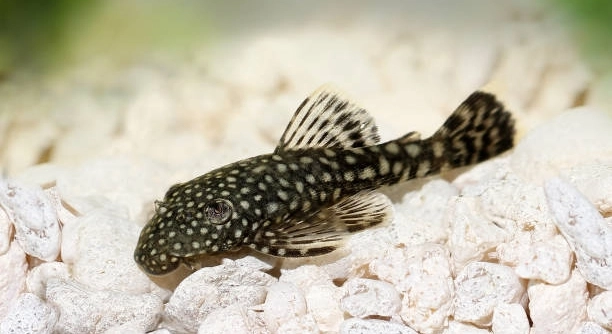
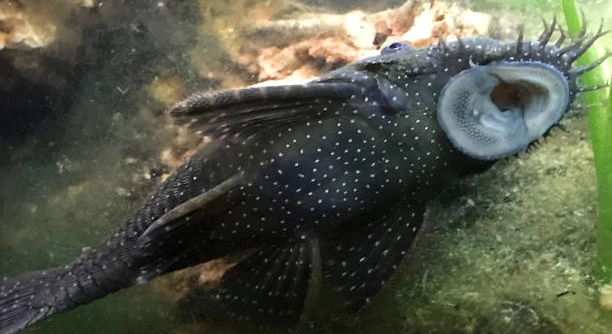
Bristlenose plecos are gentle, algae-eating fish that many aquarists enjoy keeping in home tanks. Their feeding habits are unique, and understanding when to feed them helps maintain their health and keeps your tank environment balanced. The best times to feed bristlenose plecos are during early morning and late evening hours. These periods align with their … Read more
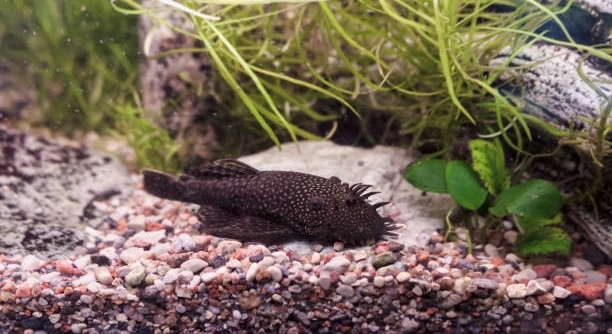
7 Ways to Improve Pleco Water Quality

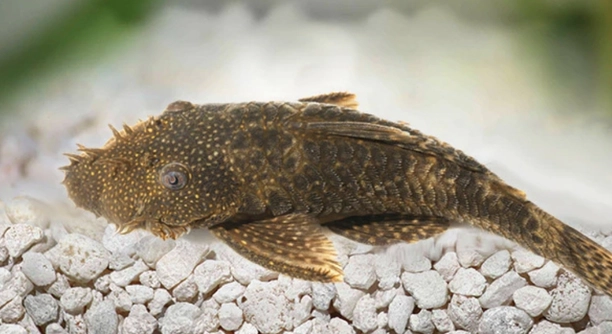
Do you ever find yourself noticing cloudy water in your pleco tank and wondering how to make it clearer and healthier? Keeping your fish’s environment clean can feel like a constant challenge. Improving pleco water quality involves a combination of regular water changes, proper filtration, balanced feeding, and monitoring key water parameters. Each practice contributes … Read more

7 Signs Your Pleco May Be Feeling Lonely

Are your plecos spending long hours alone at the bottom of the tank, showing little interaction with their surroundings? Many aquarium owners may not notice subtle changes in behavior that indicate emotional discomfort in these fish. Plecos can experience loneliness, which often manifests through changes in activity levels, appetite, and interaction with tank mates or … Read more

Can Bristlenose Plecos Share With Tetras?

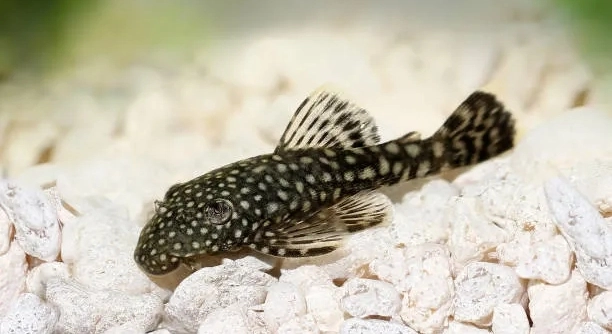
Do you ever find yourself setting up a peaceful community tank but worry about how different fish species will interact? Bristlenose Plecos and tetras each have unique behaviors that can influence life in your aquarium. Bristlenose Plecos are generally peaceful bottom dwellers and can coexist with tetras without conflict. Their dietary habits, territorial nature, and … Read more

7 Traits to Look for in a Healthy Pleco

Do you enjoy keeping a peaceful aquarium but want to make sure your pleco thrives in its environment? Observing their behavior and appearance closely can help you identify signs of good health early on. Healthy plecos exhibit strong, intact fins, clear eyes, and smooth, unblemished skin. They should actively graze and show consistent movement, indicating … Read more

Why Is Your Pleco Obsessed With the Air Stone?

Is your pleco constantly hovering near the air stone, moving around it endlessly? Many fish owners notice this behavior and wonder if it is normal or if it signals a problem with their aquarium setup. Plecos are often attracted to air stones because of the increased oxygen levels and water movement they provide. This behavior … Read more

7 Tricks to Lure Plecos From Hiding Spots

Have you ever noticed your plecos hiding in the corners of your tank, barely visible among the plants and decorations? These fish can be surprisingly elusive, making it tricky to observe their natural behaviors and feeding habits. The most effective way to lure plecos from hiding spots is by creating a safe and appealing environment. … Read more

Can Plecos Live Peacefully With Gouramis?

Have you ever wondered if your peaceful aquarium can support both plecos and gouramis without stress? These fish are popular choices, and many aquarists hope they can coexist harmoniously in the same tank environment. Plecos and gouramis can live together peacefully under the right conditions. Ensuring adequate space, hiding spots, and proper feeding routines reduces … Read more

Are Bristlenose Plecos Good for Beginners?

Bristlenose plecos are small freshwater fish known for their peaceful nature and algae-eating habits. Many people find them appealing because they add activity and interest to aquariums without causing trouble or aggression among other fish. Bristlenose plecos are suitable for beginners due to their hardy nature, simple dietary requirements, and adaptability to various water conditions. … Read more

7 Ways to Prevent Fungal Issues in Plecos

Are your plecos showing signs of white patches or unusual spots on their skin or fins? Fungal infections can appear quickly in freshwater tanks, affecting the health and well-being of these popular aquarium fish. Preventing fungal issues in plecos primarily involves maintaining clean water, monitoring tank conditions, and providing a balanced diet. Regular water changes, … Read more