
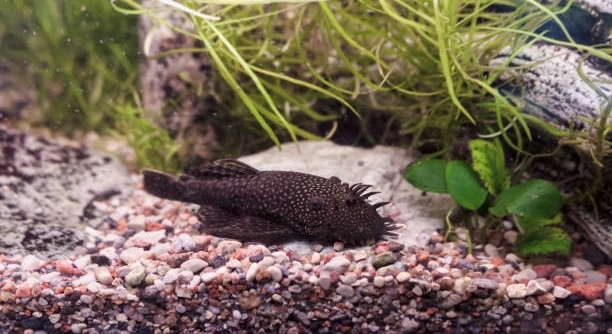
Are your plecos spending long hours alone at the bottom of the tank, showing little interaction with their surroundings? Many aquarium owners may not notice subtle changes in behavior that indicate emotional discomfort in these fish.
Plecos can experience loneliness, which often manifests through changes in activity levels, appetite, and interaction with tank mates or objects. Recognizing these signs early is crucial for maintaining both the mental and physical health of the fish.
Observing your pleco closely can reveal behaviors that signal a need for companionship or environmental enrichment. Understanding these signs ensures your fish remains happy and healthy.
Reduced Activity and Hiding
When plecos feel lonely, they often become less active than usual. You may notice your pleco spending most of the day in a corner or behind decorations, avoiding swimming around the tank. Normally, plecos explore their environment or search for food, but a lonely pleco may seem listless or uninterested in interacting with tank elements. They may also hide more frequently, retreating to caves, plants, or other shelter areas. Observing your pleco over several days can help you notice these changes. Some plecos will remain hidden for hours, only emerging when the tank is completely quiet. This behavior is more pronounced if the tank lacks hiding spots or if there are no other compatible fish nearby. Environmental enrichment, such as driftwood, rocks, and plants, can help reduce stress and encourage movement. Adjusting the tank setup and monitoring behavior ensures the pleco maintains a healthier routine.
Reduced activity and constant hiding can signal emotional stress in plecos, often linked to loneliness or lack of stimulation.
Adding natural hiding spaces and rearranging tank decorations can encourage movement. Providing enrichment may restore your pleco’s normal activity levels and reduce prolonged hiding.
Changes in Appetite
A lonely pleco often shows a noticeable drop in appetite. They may skip meals or eat very little compared to their usual intake. While occasional picky eating can happen for many reasons, consistent refusal to eat is a key indicator of stress or emotional discomfort. Changes in water quality or diet can also affect feeding habits, so it’s important to rule these out first. Providing a variety of foods, including algae wafers, vegetables, and occasional protein sources, can stimulate interest. Observing how your pleco responds to feeding times gives insight into their emotional state. Sometimes, plecos that are feeling isolated will still nibble occasionally but fail to finish meals, showing reduced enthusiasm for food. Tracking feeding behavior over time helps identify patterns and highlights whether loneliness or environmental factors are the main influence on their appetite.
Monitoring eating habits carefully can prevent malnutrition and support overall health in plecos.
Consistently low food intake may indicate loneliness, and adjusting both environment and diet can improve wellbeing. Adding visual barriers, extra hiding spots, and occasionally placing compatible tank mates can stimulate interaction. Regularly rotating vegetables or algae options keeps feeding more interesting. Additionally, ensuring the tank maintains stable water conditions reduces stress, making your pleco more likely to eat consistently. Understanding these factors allows you to respond proactively, helping your pleco regain both appetite and energy, ensuring its long-term health and comfort.
Excessive Clinging to Surfaces
Lonely plecos may spend more time attached to the same spots on the tank glass, decorations, or driftwood. This repetitive behavior is often a sign of seeking comfort or stimulation in the absence of social interaction.
This clinging can become more frequent over days or weeks. Normally, plecos move around to explore or graze on algae, but a lonely pleco may fixate on one area. They might return to the same surface repeatedly, even when food or environmental changes are present. This behavior can indicate stress, boredom, or the need for enrichment. Observing patterns in clinging behavior helps identify underlying emotional needs. Adjusting the tank by adding plants, caves, or hiding spots can reduce repetitive clinging. Occasionally rearranging decorations may stimulate exploration and reduce stress-related fixation.
Clinging to surfaces can also be linked to discomfort or subtle health issues. Monitor water conditions, diet, and behavior together to ensure the pleco’s wellbeing.
Aggression Toward Tank Mates
Lonely plecos sometimes display unexpected aggression toward other fish. They may chase, nip, or block others from specific areas in the tank. This behavior is more noticeable if their territory feels limited or they lack enrichment.
Aggression often arises because loneliness increases stress levels, which can make plecos defensive. A normally calm pleco may suddenly become territorial or impatient with companions, especially during feeding or in tight spaces. Providing hiding spots and rearranging the tank can reduce tension. Observation of interactions over several days is essential to differentiate between normal territorial behavior and stress-induced aggression. Introducing compatible species gradually and ensuring sufficient space for each fish can help mitigate conflicts.
Ensuring environmental enrichment, stable water parameters, and adequate food supply can reduce aggression. Adjustments to habitat and social dynamics promote a calmer, healthier pleco environment over time.
Lethargy During Active Hours
A lonely pleco may appear unusually tired during times it would normally be active. They might barely move, resting on surfaces instead of exploring the tank.
This lack of movement is often a sign of emotional stress or boredom. Increasing stimulation in the tank can help restore normal energy levels.
Over-Grooming or Scraping
Some plecos begin scraping themselves against decorations or tank walls more frequently when lonely. This can indicate stress or an attempt to self-soothe.
Reduced Interaction With Tank Environment
Plecos usually explore decorations, plants, and substrate. When feeling lonely, they may ignore these elements entirely, sticking to one area and showing little curiosity.
Unusual Vocalizations
Occasionally, plecos produce subtle sounds that are not typically heard. Increased or unusual noises can signal distress or loneliness.
FAQ
How can I tell if my pleco is lonely?
Signs of loneliness in plecos include reduced activity, excessive hiding, loss of appetite, and repetitive clinging to surfaces. They may also display aggression toward tank mates or show unusual behaviors like scraping against decorations. Observing these patterns over several days helps distinguish loneliness from temporary stress or illness.
Can plecos get lonely even if they are solitary species?
Yes, even species considered solitary benefit from environmental enrichment and occasional interaction with compatible tank mates. Loneliness doesn’t always mean needing a companion fish; it can stem from boredom, lack of stimulation, or a barren tank environment. Adding hiding spots, driftwood, and plants can significantly improve their wellbeing.
What are the best ways to reduce loneliness in plecos?
Providing a stimulating tank environment is crucial. Include caves, plants, driftwood, and varied substrates to encourage exploration. Occasionally rearranging decorations can spark interest. Feeding a varied diet, such as algae wafers, vegetables, and occasional protein, can also keep them engaged and mentally active.
Is it safe to add other fish to reduce loneliness?
It depends on the species. Plecos can coexist with peaceful, non-territorial fish, but aggressive or fin-nipping species can cause stress. Introduce new fish gradually and provide plenty of space and hiding spots to prevent conflicts. Observation during the first weeks is essential to ensure harmony.
How long does it take for a pleco to adjust to changes?
Adjustment time varies depending on the pleco’s personality and tank conditions. Some adapt within a few days, while others take weeks to fully explore and feel comfortable. Patience and consistent observation are key. Minor changes in environment or diet should be made gradually to avoid additional stress.
Can water quality affect signs of loneliness?
Yes, poor water conditions can mimic or worsen behaviors associated with loneliness. Ensure stable temperature, pH, and low nitrate levels. A clean, well-maintained tank reduces stress, encourages activity, and helps your pleco feel secure in its environment.
Are certain behaviors irreversible if loneliness persists?
Most behaviors caused by temporary loneliness or lack of stimulation can improve with environmental adjustments. Chronic stress or prolonged isolation may affect long-term health, so addressing these issues promptly is essential. Early intervention helps prevent persistent behavioral problems.
Should I increase feeding if my pleco is lonely?
No, overfeeding does not address loneliness and can lead to water quality issues. Focus on providing a varied, balanced diet and improving tank enrichment. Proper feeding schedules combined with environmental stimulation are more effective for mental and physical health.
Can loneliness cause physical health problems in plecos?
Yes, chronic stress from loneliness can reduce immunity, slow growth, and make plecos more prone to disease. Regular monitoring of behavior, diet, and tank conditions is essential to prevent health issues linked to emotional stress.
Is it necessary to interact with my pleco daily?
Plecos do not require constant interaction, but consistent observation helps identify behavioral changes early. Feeding at regular times and maintaining a stimulating environment ensures they remain active, engaged, and less prone to stress from isolation.
Can tank size affect loneliness?
Yes, limited space can increase stress and promote territorial aggression. A larger tank allows more exploration, hiding spots, and reduces conflict with tank mates, which helps prevent signs of loneliness and boredom.
What are simple signs that my interventions are working?
Increased swimming, curiosity in the environment, consistent appetite, and reduced aggression or hiding indicate improvements. Monitoring behavior over time ensures that your pleco is adjusting positively to changes in its tank and routine.
How often should I rearrange the tank for stimulation?
Occasional rearrangements every few weeks can encourage exploration without causing too much stress. Sudden or frequent changes may overwhelm a pleco, so gradual adjustments are recommended to maintain comfort while increasing stimulation.
Can plecos form bonds with their owners?
Plecos may recognize feeding routines and movements near the tank, showing increased curiosity or swimming closer. While this is not social bonding like with mammals, it reflects recognition and comfort with their environment.
Is it better to add multiple hiding spots or one large one?
Multiple smaller hiding spots are usually better, as they allow the pleco to choose locations based on mood or activity level. This variety helps reduce stress, prevent territorial disputes, and encourage exploration.
How do I know if my pleco prefers solitude or companionship?
Observe their interactions. Some plecos prefer exploring alone and may react negatively to other fish nearby. Others benefit from compatible companions. Monitoring behavior closely helps determine the best approach for their mental wellbeing.
Are certain decorations better for reducing loneliness?
Natural elements like driftwood, rocks, and live plants are most effective. They provide surfaces to graze on, hiding spots, and areas for exploration. Varied textures and structures keep the pleco mentally stimulated and reduce repetitive, stress-related behaviors.
What is the most common mistake owners make regarding pleco loneliness?
Assuming plecos are fully solitary and do not need stimulation. Ignoring changes in behavior, skipping environmental enrichment, or keeping a bare tank can increase stress and lead to health and behavioral problems over time.
Can light and temperature cycles affect behavior related to loneliness?
Yes, inconsistent lighting or fluctuating temperatures can increase stress and reduce activity. Maintaining stable day-night cycles and appropriate temperatures supports natural behavior, encouraging exploration and reducing stress-related signs of loneliness.
How often should I monitor my pleco for signs of loneliness?
Daily brief observations during feeding and activity periods are sufficient. Tracking behavior trends over weeks allows you to notice subtle changes and respond quickly to environmental or social needs, ensuring a healthier, happier pleco.
Understanding the emotional needs of plecos is important for their overall wellbeing. While they are often considered low-maintenance fish, they can experience stress and loneliness if their environment lacks stimulation or enrichment. Observing their behavior regularly allows you to notice subtle changes that may indicate discomfort. Signs such as reduced activity, hiding, loss of appetite, or unusual repetitive behaviors should not be ignored. By paying attention to these patterns, you can take steps to improve their living conditions and prevent long-term issues. A healthy pleco is not only more active but also engages with its surroundings and maintains a regular feeding routine, which reflects both physical and emotional health.
Creating a suitable environment for your pleco involves more than just providing a clean tank. Incorporating natural elements like driftwood, rocks, and plants offers hiding spots and surfaces to explore, which can significantly reduce stress. Changing decorations occasionally keeps the tank interesting, encouraging movement and interaction with the environment. Maintaining stable water conditions, proper temperature, and a consistent feeding schedule also contribute to their comfort. For plecos that show signs of social stress, carefully introducing compatible tank mates can provide subtle companionship and reduce feelings of isolation. Small, consistent adjustments to their habitat can make a noticeable difference in their behavior and overall quality of life.
Taking the time to understand your pleco’s needs and adjusting their environment accordingly is essential for long-term care. Monitoring behavior, providing enrichment, and maintaining proper diet and water conditions ensures that your pleco remains active, healthy, and less prone to stress-related problems. Even subtle improvements, such as adding extra hiding spots or varying food options, can significantly enhance their daily life. A pleco that feels secure and stimulated is more likely to display natural behaviors and enjoy a healthier existence in your aquarium. Paying attention to these details creates a space where your pleco can thrive, helping you support both its physical health and emotional wellbeing.

Hello,
If you enjoy the content that we create, please consider saying a "Thank You!" by leaving a tip.
Every little bit helps us continue crafting quality advice that supports the health, happiness, and well-being of pets around the world, for pets of all shapes, sizes, and species.
We really appreciate the kindness and support that you show us!