
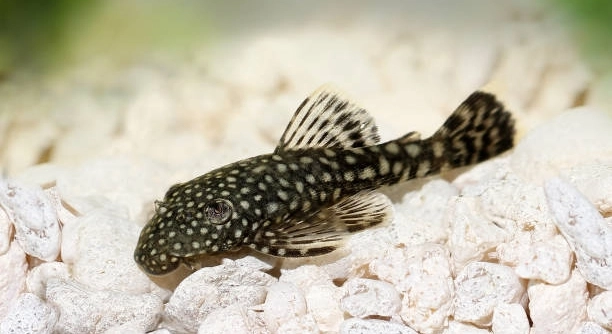
Bristlenose plecos are gentle, algae-eating fish that many aquarists enjoy keeping in home tanks. Their feeding habits are unique, and understanding when to feed them helps maintain their health and keeps your tank environment balanced.
The best times to feed bristlenose plecos are during early morning and late evening hours. These periods align with their natural nocturnal activity, promoting optimal digestion and nutrient absorption. Feeding at consistent times helps regulate their metabolism and supports long-term wellbeing.
Knowing the right feeding schedule ensures your plecos thrive and reduces leftover food that can harm the aquarium. Proper timing contributes to a cleaner, healthier tank for both fish and plants.
Morning Feeding
Feeding bristlenose plecos in the early morning helps them start their day with proper nutrition. These fish are more active during low light conditions, so offering food just after the tank lights come on encourages them to eat efficiently. Algae wafers or blanched vegetables like zucchini work best at this time. Morning feedings also allow leftover food to be cleaned up by the end of the day, keeping water quality stable. Observing your plecos during this period shows which foods they prefer and how active they are. Over time, a consistent morning feeding schedule reduces stress and promotes healthy growth. It’s helpful to place food near their favorite hiding spots or surfaces they often graze on. This ensures all plecos get a fair share, especially in tanks with multiple fish. Maintaining regular morning feedings keeps their digestive systems active and reduces the risk of overeating later.
Feeding in the morning aligns with their natural habits and supports consistent activity throughout the day.
Consistency in morning feedings helps maintain water clarity, prevents uneaten food from decomposing, and encourages natural grazing behaviors. Observing them at this time provides insight into their health and appetite.
Afternoon Feeding
A light afternoon feeding can supplement their diet without overfeeding. Offering a small portion prevents tank pollution and keeps plecos satisfied.
Afternoon feedings are ideal for tanks with heavy algae growth. They can enjoy additional food sources when natural grazing is low. Provide vegetables, algae tablets, or sinking pellets, but ensure portions remain small. Overfeeding at this time can lead to excess waste, which harms water quality and stresses other tank inhabitants. Pay attention to how your plecos respond; some may prefer snacking in the afternoon, while others might skip it entirely. Observing behavior helps determine if afternoon feeding is necessary.
This feeding reinforces regular eating patterns and allows you to adjust the amount based on their consumption. Proper portioning supports long-term health and keeps your aquarium cleaner. Balancing morning and afternoon feedings ensures plecos receive steady nutrition without overloading the tank.
Do you want me to continue with the next feeding time sections in the same format?
Evening Feeding
Evening is an active time for bristlenose plecos. Feeding just before the lights go off aligns with their nocturnal habits and encourages proper grazing before nighttime. Sinking wafers or blanched vegetables work best at this hour.
Many plecos naturally become more active as daylight fades. Offering food in the evening ensures they get proper nutrition when they are most likely to feed. At this time, they explore the tank, graze on algae, and interact with their environment. Providing food near hiding spots or surfaces they commonly use helps ensure all fish can eat. Consistency with evening feeding reduces stress and promotes healthy digestive function. Watching them in these hours gives insight into their eating habits and overall activity levels. Evening feeding also helps reduce leftover food accumulation overnight, keeping the water cleaner and healthier for all tank inhabitants.
Proper evening feedings contribute to balanced tank conditions. Feeding at this time complements morning and afternoon portions, supporting steady growth and reinforcing natural behaviors. Plecos rely on this routine to maintain strong digestive health and reduce competition for food, especially in tanks with multiple fish. Maintaining regularity improves their overall wellbeing and encourages active, predictable patterns that make monitoring easier.
Night Feeding
Night feedings cater to the plecos’ natural nocturnal schedule, offering extra nutrition when they are most active. Sinking foods work best to reach the bottom-dwelling fish.
Feeding at night ensures plecos can graze comfortably without competition. They tend to be more exploratory in low light, searching for algae and consuming provided food slowly. Using a small amount of vegetables or wafers allows all fish to access nutrition without overfeeding the tank. Night feeding also reinforces natural activity cycles and helps maintain consistent energy levels for metabolism and growth.
Maintaining a night feeding routine encourages stable behavior patterns and reduces stress. It ensures that all plecos, including shy individuals, get access to food without being outcompeted. This practice supports digestive health and helps control leftover waste, keeping the tank environment clean and safe. Offering food in the evening and night complements earlier feedings, creating a well-balanced schedule that supports overall fish health. By paying attention to their response at night, adjustments can be made for portion size or food type, enhancing their wellbeing.
Midday Snack
Offering a small midday snack can help plecos maintain steady energy, especially in tanks with low algae. Use light portions of vegetables or sinking wafers to avoid overfeeding.
Midday feeding works best for active plecos that may need an extra boost. Keep portions minimal to prevent water quality issues. Observing their activity helps adjust amounts properly.
Post-Cleaning Feeding
After cleaning the tank, plecos are more active and curious. Feeding them at this time encourages exploration and helps them recover energy lost during stress. Provide a balanced portion of vegetables or algae wafers to support digestion and maintain steady nutrient intake.
Weekend Feeding
On weekends, you might offer slightly larger portions to ensure plecos have enough nutrition if weekday feedings are light. Keep food balanced to avoid overfeeding or water pollution.
FAQ
How often should I feed my bristlenose pleco?
Bristlenose plecos should generally be fed once or twice a day, depending on tank conditions and algae availability. In heavily planted tanks with lots of natural algae, a single feeding may be sufficient. In tanks with minimal algae, offering food twice daily ensures they get the nutrients they need. Always monitor leftover food to avoid overfeeding.
What foods are best for bristlenose plecos?
Algae wafers and blanched vegetables like zucchini, cucumber, or spinach are ideal. Plecos also benefit from occasional protein sources such as shrimp pellets or bloodworms. Providing a mix of plant-based and protein foods supports healthy growth, proper digestion, and a balanced diet. Avoid overfeeding protein as it can stress their digestive system.
Can I feed them at random times?
Plecos thrive on consistency. Random feeding can confuse them and disrupt their natural grazing patterns. Feeding at set times helps regulate their metabolism, encourages proper digestion, and prevents overeating or stress. Observing their preferred feeding behavior at consistent times allows you to adjust portions accurately.
Is it necessary to remove leftover food after feeding?
Yes, removing uneaten food is important to maintain water quality. Leftover food can decay, causing ammonia spikes and stressing your fish. Monitor how much your plecos consume in 15–30 minutes and remove any remaining portions. This keeps the tank clean and reduces the risk of disease.
Should feeding amounts change with tank size?
Yes, larger tanks with more plecos may require slightly larger portions, while smaller tanks need less. Overfeeding in a small tank can quickly deteriorate water quality. Observe your fish and adjust feeding amounts based on activity levels and algae availability.
Can bristlenose plecos skip a meal?
Occasionally skipping a meal is generally not harmful, especially if algae is present in the tank. Plecos are grazers and can find natural food sources. However, consistent skipping or lack of algae requires adjusting feeding schedules to ensure proper nutrition.
How do I know if I am feeding too much?
Excess food that remains after 30 minutes is a clear sign of overfeeding. Signs also include cloudy water, unusual tank odor, and excess waste. Adjust portion sizes, and consider reducing the number of feedings if leftovers are consistently present.
Is it okay to feed them human vegetables?
Yes, many vegetables suitable for humans, like zucchini, cucumber, and spinach, are safe. Avoid vegetables with pesticides or seasonings. Wash thoroughly and blanch to soften them, making it easier for plecos to digest. Introduce new vegetables gradually to observe tolerance.
Can bristlenose plecos eat algae alone?
While they graze heavily on algae, relying solely on algae may not provide complete nutrition. Supplementing with vegetables or wafers ensures they get enough fiber, vitamins, and minerals for long-term health.
Do juvenile plecos need different feeding than adults?
Yes, juveniles require more frequent feeding for growth, usually twice daily. Offer small portions of vegetables and protein-based foods to support development. Adults can thrive on one or two feedings, depending on natural algae availability.
How long should I feed them each time?
Feed for 15–30 minutes and remove leftovers. This duration ensures plecos have enough time to eat without leaving excess food to decompose, which can affect water quality and fish health.
Is it important to observe their behavior during feeding?
Observing behavior helps identify appetite issues, stress, or health problems. Active grazing and consistent feeding patterns indicate healthy fish, while hesitation, hiding, or refusal to eat may signal a problem. Adjust portions or check water conditions if irregular behavior occurs.
Can I feed bristlenose plecos the same food every day?
Variety is important. While they enjoy algae wafers daily, rotating vegetables and occasional protein supplements promotes balanced nutrition, prevents deficiencies, and keeps them engaged. Changing food types also encourages natural foraging behaviors in the tank.
How do I handle picky eaters?
Introduce new foods gradually and place them near areas where plecos feel safe. Observing preferences allows you to provide foods they enjoy while maintaining balance. Patience is key, as some plecos may take longer to adapt to new options.
What is the effect of feeding at night versus daytime?
Feeding at night aligns with their nocturnal activity, encouraging natural grazing. Daytime feeding works if there is low competition, but consistent timing ensures proper metabolism and digestion. Night feedings also help reduce leftover food in the tank.
Should I adjust feeding in winter?
Yes, plecos’ metabolism may slow in cooler temperatures. Reduce feeding amounts and monitor consumption. Overfeeding in cold water can cause digestive issues and water quality problems. Maintain light portions until activity returns to normal.
How do I ensure all plecos get enough food in a tank?
Place food in multiple locations near hiding spots and grazing surfaces. This prevents dominant individuals from monopolizing food and ensures shy or smaller plecos access nutrition. Monitor feeding to adjust portions and locations as needed.
Are frozen or dried foods okay for plecos?
Yes, frozen or dried foods like bloodworms and shrimp are acceptable in moderation. They provide extra protein but should not replace primary vegetable-based foods. Thaw frozen items before feeding to prevent water contamination and maintain fish health.
Can bristlenose plecos be overfed with vegetables?
Yes, even vegetables can cause digestive issues if overfed. Offer measured portions and observe consumption. Removing leftovers prevents waste buildup and maintains water quality. Variety and moderation are key for a balanced diet.
How can I tell if my pleco is healthy from feeding habits?
Healthy plecos eat consistently, show active grazing, and produce firm, regular waste. Lethargy, refusal to eat, or bloating can indicate health or water issues. Regular observation during feeding helps catch problems early and ensures their long-term wellbeing.
This FAQ covers feeding frequency, portion control, food types, timing, and behavior monitoring to maintain healthy bristlenose plecos. Proper attention ensures their nutritional needs are met while keeping the tank environment stable and safe.
Final Thoughts
Feeding bristlenose plecos properly is essential for their health and the overall balance of your aquarium. These fish are primarily nocturnal grazers, so understanding their natural habits helps determine the best feeding schedule. Offering food at consistent times, such as morning, evening, and occasionally at night or midday, encourages proper digestion and steady energy levels. Overfeeding or providing food at irregular times can lead to stress, leftover waste, and poor water quality, all of which negatively affect both the plecos and other tank inhabitants. By observing how your plecos respond to different feeding times and portions, you can adjust their schedule to match their behavior and ensure each fish receives enough nutrition. Consistency is key to maintaining their wellbeing and supporting long-term growth.
Choosing the right type of food is equally important. Bristlenose plecos thrive on a combination of plant-based foods and occasional protein sources. Vegetables like zucchini, cucumber, and spinach, along with algae wafers, form the foundation of a balanced diet. Introducing frozen or dried protein items, such as shrimp or bloodworms, occasionally supplements their nutritional needs. Variety is important to prevent nutrient deficiencies and keep the fish engaged in their feeding routine. Observing which foods they prefer and adjusting portions accordingly helps prevent overfeeding and ensures the tank remains clean. Proper food placement also matters; sinking foods or placing vegetables near hiding spots allows shy or smaller plecos to feed comfortably, reducing competition and stress. This approach supports their natural grazing instincts and promotes healthier behavior patterns.
Maintaining a feeding routine also benefits the aquarium environment as a whole. Removing uneaten food promptly prevents decomposition that can increase ammonia or nitrite levels, which are harmful to fish. Monitoring the tank and adjusting portions based on consumption patterns ensures water quality remains stable. Feeding at different times of the day, in line with the plecos’ natural activity, encourages consistent grazing and reduces the risk of overeating. A balanced approach to feeding supports not only the plecos’ physical health but also their overall behavior, making them more active and engaged in the tank. Paying attention to portion size, timing, and food variety creates a healthier, cleaner environment, benefiting all fish and plants in the aquarium. Over time, these practices make managing your tank easier and help your bristlenose plecos live longer, healthier lives, ensuring that their natural behaviors and dietary needs are met consistently.

Hello,
If you enjoy the content that we create, please consider saying a "Thank You!" by leaving a tip.
Every little bit helps us continue crafting quality advice that supports the health, happiness, and well-being of pets around the world, for pets of all shapes, sizes, and species.
We really appreciate the kindness and support that you show us!