
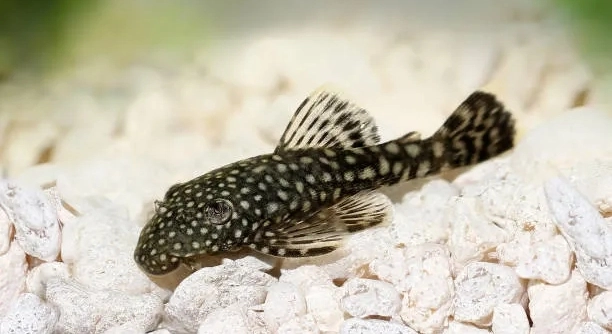
Is your pleco constantly hovering near the air stone, moving around it endlessly? Many fish owners notice this behavior and wonder if it is normal or if it signals a problem with their aquarium setup.
Plecos are often attracted to air stones because of the increased oxygen levels and water movement they provide. This behavior is instinctive, as it allows them to access better oxygenation and interact with water currents naturally.
Observing this behavior more closely can reveal insights into your pleco’s health and preferences. Understanding these patterns helps you create a more comfortable and balanced environment for your fish.
Why Plecos Love Air Stones
Plecos often spend a lot of time around air stones because these devices create areas of higher oxygen concentration. The bubbling action of the air stone circulates water, preventing stagnation and helping the fish breathe more efficiently. Many plecos instinctively seek out these oxygen-rich zones, especially if the tank has limited water movement. Additionally, the currents created by the air stone simulate natural river conditions, which plecos find comforting. Some plecos may even use the bubbles to help clean their bodies, as the movement can dislodge debris from their skin and fins. Watching a pleco interact with an air stone can reveal patterns in their behavior, including resting near the bubbles, nudging them, or simply swimming through the currents. Providing this element in the tank not only supports health but also encourages natural activity, keeping your pleco engaged and active throughout the day.
Plecos are naturally drawn to oxygen-rich zones and moving water. Air stones provide both, supporting health and comfort.
Observing your pleco’s time near the air stone can guide how you set up the tank. Some plecos prefer stronger currents, while others simply enjoy the oxygen boost. Placement of the air stone can influence tank activity, as it may attract other species or create resting areas. Ensuring clean water and proper filtration will make the air stone more effective. The visual interest it creates also gives your pleco a form of stimulation, which reduces boredom. By understanding this preference, you can adjust water flow and tank features to match your pleco’s needs, promoting both physical health and natural behavior. Regular monitoring and minor adjustments can enhance the aquarium environment without drastic changes, making your pleco more comfortable and active daily.
Signs Your Pleco May Be Overly Focused on the Air Stone
Spending too much time near the air stone may indicate environmental stress or oxygen needs.
If your pleco constantly lingers around the air stone, it could be signaling a problem with oxygen levels, water quality, or tank temperature. Poor oxygenation in other areas of the tank may cause this behavior. Additionally, high waste accumulation or insufficient filtration can make certain spots more comfortable than others, encouraging the fish to stay near the air stone. While plecos naturally enjoy water currents, excessive focus on the air stone may suggest stress or discomfort. Observing tank conditions, such as ammonia levels, nitrate concentration, and water temperature, can reveal underlying issues. Adjusting filtration, aeration, and regular water changes can reduce this over-reliance, creating a more evenly comfortable environment. Some plecos are simply curious or playful, but consistent monitoring ensures their health is not compromised. Providing hiding spots and varying flow areas can also balance their activity and reduce prolonged air stone dependency.
How Air Stones Affect Pleco Behavior
Air stones create bubbles and water movement that attract plecos. They provide oxygen-rich zones and gentle currents, which plecos instinctively seek. Many plecos use these areas for resting, exploring, or simply feeling more secure in their environment, making the air stone a central feature in their daily activity.
Plecos interact with air stones in several ways. Some hover above the bubbles, enjoying the current, while others swim through them for stimulation. The increased oxygen helps maintain energy levels and overall health. Certain plecos even rub against the bubbles or currents, which can aid in cleaning their skin and fins. Placement of the air stone can influence tank dynamics, encouraging natural swimming patterns while reducing stagnant areas. This simple addition to a tank can significantly enhance a pleco’s comfort and activity.
Observing how your pleco reacts to the air stone can inform tank setup decisions. Fish that favor strong currents may require additional aeration or strategically placed stones. Conversely, plecos that gently interact with bubbles may benefit from softer water movement. The air stone can also affect social behavior, as other species may be drawn to or avoid the bubbles. Monitoring these interactions helps maintain balance in the tank and ensures the pleco’s behavior remains natural and healthy. Adjustments to water flow or stone placement can improve both oxygen distribution and fish engagement.
Maintaining the Right Environment for Plecos
A balanced tank setup supports pleco health and reduces excessive air stone dependence. Proper filtration, oxygen levels, and hiding areas are essential for comfort and natural behavior.
Ensuring the tank maintains stable water quality is crucial. Regular water changes prevent buildup of ammonia and nitrates, which can stress plecos. The right temperature range also supports activity and appetite. Providing multiple hiding spots reduces reliance on a single area, such as the air stone, and helps plecos feel secure. Water flow should be moderate to allow swimming without forcing constant resistance, mimicking natural habitats. Combining these elements creates a comfortable, oxygen-rich environment that promotes natural behavior and reduces potential stress indicators.
Monitoring pleco behavior over time can guide adjustments to the tank. If the fish consistently clings to the air stone, it may indicate low oxygen or uneven water flow in other areas. Adding additional aeration, rearranging decorations, or increasing filtration can balance oxygen distribution. Observing feeding habits, activity levels, and interactions with other fish further informs environmental adjustments. By creating varied zones in the tank, plecos can explore, rest, and play without over-relying on the air stone. These steps help maintain overall health, reduce stress, and encourage more natural behavior patterns throughout the aquarium.
Signs of Healthy Interaction
Plecos that use the air stone moderately are usually healthy and active. Hovering briefly or swimming through bubbles shows natural curiosity and comfort with their environment, rather than stress or poor water conditions.
Consistent energy, regular feeding, and smooth movements indicate proper adaptation. These signs reflect a well-maintained tank with adequate oxygen and flow.
When to Adjust the Air Stone
If a pleco spends almost all its time near the air stone, changes may be needed. Adjusting placement, flow, or adding extra aeration can create more balanced conditions, encouraging exploration of the full tank.
Other Factors Influencing Behavior
Tank mates, decorations, and water temperature can impact pleco activity around air stones. Ensuring hiding spaces and comfortable zones reduces over-reliance on a single feature.
FAQ
Why does my pleco spend all its time at the air stone?
Plecos often stay near the air stone because it provides oxygen-rich water and gentle currents. If your pleco spends most of its time there, it could indicate uneven oxygen distribution in the tank or areas with low water flow. Monitoring water quality, adding additional aeration, or adjusting the air stone placement can help create a more balanced environment. Some plecos are naturally curious and enjoy the currents, but prolonged focus on the air stone may also signal mild stress or discomfort elsewhere in the tank.
Is it harmful for my pleco to interact with the air stone constantly?
Interacting with the air stone is generally safe if the fish shows normal behavior, eats well, and moves comfortably around the tank. Problems can arise if this behavior replaces normal activity, resting areas, or feeding patterns. Constantly clinging to the air stone could indicate low oxygen, high waste levels, or water that is too warm. Ensuring proper filtration, water flow, and temperature control can prevent negative effects and encourage the pleco to explore other areas of the tank.
Can air stones improve pleco health?
Yes, air stones enhance water oxygenation and circulation, which directly supports fish respiration. Better oxygen levels promote energy, appetite, and overall well-being. Moving water can also simulate natural habitats, helping plecos maintain instinctive swimming and cleaning behaviors. Combined with a balanced diet, proper tank temperature, and regular water changes, air stones contribute to long-term health and comfort for plecos.
Should I adjust the air stone if my pleco ignores it?
If a pleco rarely interacts with the air stone, it may prefer calmer zones or different water flow conditions. You can experiment with placement, current intensity, or the addition of multiple air stones to find an area that suits its preferences. Plecos are adaptable, so observing their activity will help determine the most effective setup. As long as the fish appears healthy and active, ignoring the air stone is not harmful.
Do air stones affect tank mates?
Yes, air stones create currents and bubbles that can influence other species in the tank. Some fish enjoy the movement, while others may avoid it. Observing interactions is important to ensure that no fish are stressed. Adjusting air stone placement or flow intensity can create a comfortable balance for all inhabitants.
Can my pleco damage the air stone?
Plecos rarely damage air stones, but persistent rubbing or nudging can sometimes loosen connections or wear out tubing over time. Regular inspection of the equipment ensures it remains functional. Securing the air stone properly and checking for leaks or blockages keeps both the device and the pleco safe.
How do I know if my pleco is stressed around the air stone?
Signs of stress include frantic swimming, clamped fins, loss of appetite, or staying in one spot for too long. If your pleco exhibits these behaviors, check oxygen levels, water quality, and tank temperature. Providing additional hiding spaces and reducing strong currents can help alleviate stress.
Is there an ideal size or type of air stone for plecos?
The choice depends on tank size and pleco species. Larger tanks may require multiple air stones to ensure even oxygen distribution. Fine bubble stones create gentle currents suitable for plecos, while coarse bubbles produce stronger currents that some plecos may enjoy. Observing how the fish interacts with different types helps select the best option.
Can air stones prevent diseases?
Indirectly, yes. Improved oxygenation and circulation reduce stagnant areas where harmful bacteria may thrive. Healthy water conditions help prevent respiratory stress and maintain the immune system. Regular maintenance, combined with proper feeding and filtration, is the key to disease prevention rather than relying solely on the air stone.
How often should I clean the air stone?
Air stones accumulate algae, debris, or mineral deposits over time. Cleaning them every few weeks ensures consistent bubble production and water flow. Soaking in vinegar or using a gentle brush can remove buildup without damaging the stone. Regular maintenance keeps the air stone effective and supports the pleco’s healthy environment.
What if my pleco still obsessively sticks to the air stone after adjustments?
Some plecos are naturally drawn to moving water and oxygen-rich areas, which may never change entirely. Ensure water parameters are optimal and provide hiding spots to encourage other areas of activity. Monitoring behavior and maintaining proper tank conditions ensures that obsessive tendencies do not harm health.
Can multiple air stones improve behavior?
Yes, distributing multiple air stones creates several oxygen-rich zones, reducing competition and encouraging exploration. This setup can make the tank environment more dynamic and reduce stress by giving plecos choice in where to rest or swim. Observing interactions will guide placement and flow intensity.
Does water temperature influence air stone behavior?
Temperature affects oxygen levels and pleco activity. Warmer water holds less oxygen, making plecos more dependent on areas with bubbles. Cooler, stable water reduces excessive air stone reliance. Maintaining a proper temperature range ensures healthy swimming and feeding behaviors.
Are plecos more active around new air stones?
Plecos may initially explore new air stones due to curiosity and novel currents. This behavior often stabilizes as the fish becomes familiar with its environment. Consistent monitoring ensures the pleco adapts without stress, maintaining natural activity and comfort.
Can air stones help with tank cleaning?
Indirectly, yes. Water movement prevents debris from settling, reducing stagnant zones. While air stones are not a replacement for regular maintenance, they complement filtration by distributing oxygen and encouraging natural pleco activity that can stir up detritus.
How do I balance multiple plecos with one air stone?
Observe social dynamics and interactions. Some plecos dominate oxygen-rich areas, leaving others stressed. Adding extra air stones or spreading bubbles evenly reduces competition, ensures all fish have access to oxygen-rich water, and maintains a balanced tank environment.
Is there a risk of over-oxygenation?
Over-oxygenation is rare but can occur in heavily aerated, small tanks. Excess oxygen may lead to unusual gas bubble formation in tissues. Monitoring levels and adjusting air stone output prevents this, maintaining a healthy and safe environment for plecos.
Can plecos use air stones for play or stimulation?
Yes, many plecos interact with bubbles for enrichment. Swimming through currents, rubbing against bubbles, or hovering near the stone stimulates natural instincts, encourages movement, and reduces boredom, contributing to overall mental and physical well-being.
Do I need a separate air stone for nocturnal activity?
Not necessarily. Plecos are often more active at night, but as long as oxygen levels and water flow are consistent, one properly placed air stone can suffice. Observing nighttime behavior ensures all needs are met without extra equipment.
How does tank size affect air stone efficiency?
Larger tanks require more air stones or higher output to maintain even oxygen distribution. Small tanks may only need a single stone. Correct placement and monitoring of water circulation are key to maximizing efficiency and ensuring plecos can access oxygen-rich zones comfortably.
Can air stones mask other environmental problems?
They can partially hide low oxygen or weak currents by creating a localized oxygen-rich zone. Relying solely on air stones without addressing water quality, filtration, or temperature issues can lead to unnoticed stress. Comprehensive tank maintenance is essential.
Do plecos prefer certain types of bubbles?
Fine bubbles create gentle currents that many plecos enjoy, while larger bubbles produce stronger water movement. Observing interactions helps determine preference. Providing the right type ensures comfort and encourages natural behavior patterns.
How long should air stones run each day?
Air stones can run continuously, but ensuring consistent water quality and oxygenation is more important than timing. Running them full-time maintains steady currents and oxygen levels, supporting pleco health and normal activity patterns.
Can air stones replace other tank features?
No, air stones complement but do not replace hiding spots, proper filtration, or water quality maintenance. They enhance oxygenation and stimulate behavior but should be part of a balanced and well-maintained tank setup for overall pleco well-being.
What maintenance tips keep plecos safe around air stones?
Check tubing and stones for leaks or blockages, clean buildup regularly, and ensure placement does not create harmful currents. Monitoring pleco interactions ensures bubbles support health without causing stress or injury.
Do plecos ever ignore air stones completely?
Some plecos may rarely interact if they prefer calm areas or gentle flow. As long as oxygen levels, temperature, and water quality are appropriate, ignoring the air stone is not harmful. Behavior varies by species and individual preference.
Can air stones encourage natural behaviors?
Yes, air stones promote swimming, resting, and gentle rubbing against currents. They mimic riverine conditions, encouraging instinctive activity and engagement, contributing to both mental and physical health in the tank environment.
Are there signs that the air stone is too strong?
Strong currents can cause frantic swimming, clamped fins, or difficulty feeding. Adjusting output or placement ensures gentle flow and allows plecos to engage comfortably without stress.
How do I introduce a new air stone to an established tank?
Place it gradually, observe interactions, and adjust flow as needed. Ensuring stable water parameters and monitoring pleco behavior prevents stress while providing enrichment and improved oxygenation.
Can air stones improve breeding behavior?
While not directly, better oxygenation and stimulated swimming may create conditions that support natural breeding behaviors. Combined with proper hiding spots and water quality, air stones can contribute to a healthier reproductive environment.
Do plecos interact differently with air stones during feeding?
Some plecos hover near bubbles while eating, using currents for movement and stimulation. Others prefer calmer zones. Observing feeding behavior helps determine if adjustments to flow or placement are necessary for comfort.
What are the long-term benefits of air stones for plecos?
Consistent oxygenation, improved water circulation, stimulation, and encouragement of natural behavior support long-term health. Air stones, combined with proper maintenance, help plecos remain active, reduce stress, and maintain robust physical and mental well-being.
How often should I replace an air stone?
Depending on usage and buildup, air stones may need replacement every 6–12 months. Regular cleaning and monitoring maintain efficiency, ensuring plecos continue to benefit from healthy oxygenation and stimulation.
Can plecos damage the air stone over time?
Persistent rubbing or nudging may wear down tubing or loosen attachments, but stones are generally durable. Regular checks prevent damage and maintain consistent oxygenation and safe currents.
Are there any signs that air stones are ineffective?
Reduced bubble output, clogging, or uneven water flow indicate inefficiency. Cleaning, repositioning, or replacing the air stone restores proper function and ensures plecos continue to benefit from oxygen-rich zones.
Do different pleco species behave differently around air stones?
Yes, some species prefer strong currents, while others favor gentle bubbles. Observing individual responses helps optimize placement, flow intensity, and tank setup for each species’ comfort and natural behavior.
Can air stones reduce algae growth?
Indirectly, by improving circulation and preventing stagnant zones, air stones make it harder for algae to accumulate. They complement regular cleaning, filtration, and proper lighting for algae management.
Are plecos more active around air stones at certain times of day?
Activity can increase during feeding or low-light periods. Observing patterns ensures the air stone placement and flow match natural rhythms, providing stimulation without causing stress or fatigue.
Do air stones affect water pH?
They have minimal direct effect on pH but promote oxygenation and circulation. Proper maintenance, combined with monitoring water parameters, ensures stable pH and overall tank health.
Can multiple plecos use a single air stone without conflict?
Yes, if placement allows access and currents are gentle. In some cases, adding extra stones reduces competition, ensuring all fish enjoy oxygen-rich zones comfortably.
Do plecos ever “play” with air bubbles?
Yes, some swim through bubbles, hover, or nudge streams for stimulation. This behavior encourages natural activity and mental engagement.
How do I prevent my pleco from becoming too reliant on the air stone?
Provide hiding spots, varied water flow, and oxygen-rich zones throughout the tank. Balanced maintenance encourages exploration and reduces over-dependence on a single feature.
Are there signs that a pleco is enjoying the air stone?
Calm hovering, gentle swimming through bubbles, and normal feeding indicate enjoyment. Plecos that are active and relaxed around the air stone are using it naturally.
Do air stones interfere with filtration?
Properly placed air stones complement filtration. They enhance circulation and oxygenation without disrupting filter efficiency, supporting clean water and healthy pleco behavior.
Can air stones help during water changes?
Yes, they maintain oxygenation while water parameters fluctuate, helping plecos remain comfortable and reducing stress during routine maintenance.
How do I choose the right air stone size?
Select based on tank volume and pleco species. Larger tanks may need multiple stones for even oxygen distribution, while smaller tanks often require only one stone. Observing interactions ensures the chosen size meets fish needs.
Do air stones affect water clarity?
Indirectly, by promoting circulation, they prevent debris accumulation. Regular filtration and cleaning are still necessary to maintain clear, healthy water.
Can air stones be used with live plants?
Yes, but placement should avoid excessive disturbance to plant roots. Gentle bubbles enhance oxygenation and water movement, benefiting both plants and plecos.
What should I do if my pleco hides from the air stone?
This may indicate a preference for calm areas. Ensure other oxygenated zones are available and currents are not too strong, allowing the fish to explore comfortably.
How does water hardness interact with air stone behavior?
Water hardness influences oxygen solubility and pleco comfort. Moderate hardness with proper oxygenation ensures natural activity and reduces stress near air stones.
Are plecos more active with intermittent or continuous bubbles?
Continuous bubbles provide steady oxygen and stimulation. Intermittent bubbles may create temporary activity but do not consistently support natural swimming patterns or comfort.
Can air stones prevent lethargy in plecos?
Indirectly, yes. By encouraging swimming, oxygen intake, and stimulation, air stones reduce inactivity and promote healthier energy levels.
Do plecos ever ignore air stones if water quality is perfect?
Yes, some individuals prefer calm areas. Behavior varies, but as long as oxygen, temperature, and water quality are adequate, ignoring the air stone is not harmful.
Can air stones help during heat stress?
Yes, increased oxygenation can alleviate mild heat stress, supporting respiration when warmer water holds less dissolved oxygen. Monitoring temperature remains crucial.
Do plecos interact differently with vertical versus horizontal air stones?
Yes, orientation affects bubble patterns and current strength. Plecos may prefer certain directions based on swimming style, comfort, and oxygen access.
Are there any risks for juvenile plecos with air stones?
Juveniles are more sensitive to strong currents. Fine bubbles and gentle flow prevent injury while still providing stimulation and oxygenation.
Can air stones influence feeding behavior?
Yes, some plecos eat near bubbles, using currents to stir food. Others prefer calmer zones. Placement should accommodate natural feeding preferences.
Do plecos need acclimation to new air stones?
Gradual introduction helps prevent stress. Observing behavior ensures the fish adapts without disrupting normal activity or comfort.
Can air stones be combined with other aeration methods?
Yes, combining with filters, powerheads, or sponge filters improves oxygenation, circulation, and overall tank health, supporting pleco well-being.
How do I know if my pleco is using the air stone effectively?
Balanced activity, calm swimming, and regular feeding indicate effective use. Excessive clinging or avoidance may require adjustments in placement or flow.
Do air stones affect territorial behavior?
They can influence space usage by creating preferred zones. Providing multiple areas reduces conflict and encourages healthy distribution throughout the tank.
Are there signs of over-stimulation from air stones?
Frantic swimming, collision with tank walls, or erratic movement can indicate over-stimulation. Adjusting flow or placement restores comfort and natural behavior.
Can air stones improve pleco coloration?
Indirectly, by promoting oxygenation and overall health, air stones can support vibrant coloration through improved metabolism and reduced stress.
Do plecos prefer steady or fluctuating bubble patterns?
Most prefer steady bubbles that mimic gentle currents. Fluctuating patterns can create stress or discourage interaction, depending on the individual fish.
How often should I monitor pleco interaction with the air stone?
Regular daily or weekly observation ensures health, behavior, and comfort. Adjustments can be made quickly if stress, dominance, or over-reliance appears.
Can air stones reduce aggression among plecos?
By creating multiple oxygen-rich zones and currents, air stones can reduce competition and territorial disputes, promoting a more balanced environment.
Do plecos show signs of boredom without air stones?
Some may become less active if their environment lacks stimulation. Adding currents or other enrichment encourages natural movement and exploration.
Are there alternatives to air stones for oxygenation?
Yes, sponge filters, powerheads, and circulation pumps provide oxygen and water movement. Air stones remain a simple and effective option but are not the only method.
Can air stones affect the distribution of food in the tank?
Yes, currents can move floating or sinking food, impacting feeding patterns. Observation ensures all plecos have access and prevents competition.
Do plecos ever avoid air stones due to light reflection?
Strong light reflecting off bubbles may discourage some plecos. Adjusting lighting or stone placement can reduce glare and encourage interaction.
Are air stones suitable for breeding tanks?
They can improve oxygenation and stimulate natural activity, creating conditions supportive of breeding while ensuring water flow does not disturb eggs or fry.
Can air stones influence territorial boundaries in planted tanks?
Yes, bubbles create microzones that can shift space usage. Proper placement ensures balanced territory without stressing other plecos or tank mates.
Do air stones reduce ammonia accumulation?
Indirectly, circulation prevents stagnant areas, helping beneficial bacteria process waste more efficiently. Regular maintenance remains necessary.
Can plecos become dependent on air stones?
Some may favor them for comfort, but proper tank setup with hiding spots, multiple currents, and oxygen-rich zones prevents over-dependence.
Do air stones work differently in soft versus hard water?
Effectiveness remains similar, but oxygen solubility and pleco comfort may vary slightly. Observation ensures optimal behavior across water types.
Can air stones reduce fin damage?
Gentle currents allow plecos to swim naturally without rubbing against tank surfaces, minimizing fin wear and maintaining health.
Do plecos interact with air stones in groups differently than alone?
Yes, social dynamics influence use. Some plecos may dominate bubbles while others avoid them, requiring multiple stones or zones for balance.
Are there risks for plecos with very strong air stone currents?
Excessively strong currents can cause stress, fatigue, or injury. Adjusting output and placement prevents negative effects while maintaining stimulation and oxygenation.
**How do I balance stimulation and rest
Final Thoughts
Plecos are fascinating fish with unique behaviors, and their interaction with air stones is a clear example of this. Many plecos are naturally drawn to the bubbles and currents created by these devices, seeking oxygen-rich water and gentle movement. Observing a pleco near an air stone can reveal a lot about its preferences, energy levels, and overall health. While it may seem like obsessive behavior at times, it often reflects natural instincts and the fish’s desire for comfort and stimulation. Ensuring that the tank provides a balanced environment with adequate oxygen, proper temperature, and clean water helps the pleco feel secure and encourages healthy activity patterns. By paying attention to how your pleco engages with the air stone, you can make adjustments that enhance its daily routine and support its long-term well-being.
Air stones are more than just decorative elements in a tank. They improve oxygen distribution, help maintain circulation, and simulate natural river currents that plecos are accustomed to in the wild. These currents allow the fish to exercise, explore, and even clean their skin and fins naturally. However, the presence of an air stone does not replace other essential tank elements. Hiding spots, adequate space, proper filtration, and stable water parameters are equally important to ensure that plecos are comfortable and stress-free. Observing your pleco over time is key to understanding its individual behavior. Some plecos may interact frequently with the air stone, while others prefer calmer zones. Adjusting placement, flow intensity, or even adding additional stones can create an environment that accommodates all preferences. This approach ensures that your pleco’s natural behaviors are supported without compromising overall tank balance or the comfort of other fish.
Maintaining a healthy and engaging aquarium requires consistent attention to both equipment and fish behavior. Plecos that frequently visit the air stone often thrive in a well-oxygenated, carefully maintained tank, but monitoring for signs of stress or over-reliance is important. Proper tank management includes regular water testing, cleaning, and providing a variety of zones that suit different needs within the tank. By balancing oxygen-rich areas with calm zones and ensuring adequate hiding places, plecos can enjoy both stimulation and rest. Over time, these measures promote natural activity, reduce stress, and support overall health. Understanding your pleco’s behavior and needs allows you to create a more comfortable and engaging environment. Air stones, when used thoughtfully, enhance the tank experience and contribute to the long-term well-being of plecos, ensuring they remain active, healthy, and responsive in their home.

Hello,
If you enjoy the content that we create, please consider saying a "Thank You!" by leaving a tip.
Every little bit helps us continue crafting quality advice that supports the health, happiness, and well-being of pets around the world, for pets of all shapes, sizes, and species.
We really appreciate the kindness and support that you show us!