
Do you enjoy keeping a peaceful aquarium but want to make sure your pleco thrives in its environment? Observing their behavior and appearance closely can help you identify signs of good health early on.
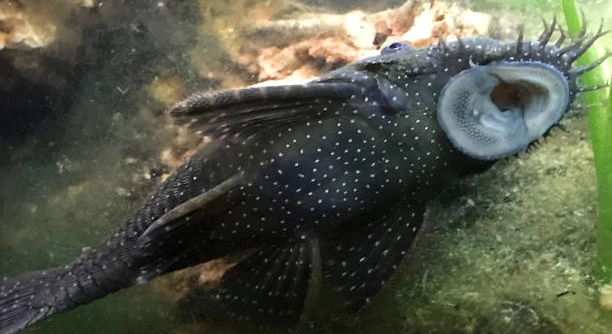
Healthy plecos exhibit strong, intact fins, clear eyes, and smooth, unblemished skin. They should actively graze and show consistent movement, indicating proper nutrition, a balanced environment, and minimal stress, which are essential factors for sustaining their overall well-being.
Understanding these traits will help you choose the right pleco and maintain its health in your aquarium for years to come.
Strong and Intact Fins
Plecos rely on their fins for swimming, balance, and stability in their tanks. Healthy fins should be fully extended, free from tears, splits, or ragged edges. Any signs of damage, such as fraying or holes, can indicate poor water quality, stress, or disease. Observing how your pleco moves in the tank is a good indicator of fin health. Fish with strong fins will glide smoothly along surfaces and corners, showing confidence and ease in their environment. If a pleco keeps its fins clamped close to its body or avoids swimming actively, it may be stressed or unwell. Maintaining clean water and providing hiding spots can reduce stress and prevent fin deterioration. Regular tank checks and monitoring water parameters, such as ammonia, nitrate, and pH levels, help ensure your pleco’s fins stay healthy. Proper nutrition, including algae wafers and fresh vegetables, supports fin regeneration and overall vitality.
Strong fins help plecos move efficiently and respond quickly to changes in their tank environment, reflecting their overall health.
Plecos with damaged fins may struggle with normal swimming behaviors. Over time, poor water conditions or aggressive tank mates can worsen fin damage. Observing fin behavior daily can help detect problems early. Adequate space and hiding areas reduce stress, allowing fins to recover naturally. Feeding a balanced diet supports tissue regeneration, while occasional salt baths can reduce bacterial infections. Preventing injuries by avoiding sharp decorations or rough handling is crucial. Healthy fins also indicate that the fish is feeding properly and not facing internal health issues. By focusing on fin care, you ensure your pleco remains active and stress-free. Regular maintenance routines, including partial water changes, help maintain optimal conditions. Fins serve as a visual and functional marker for your pleco’s overall well-being, reflecting both environment and diet quality. Monitoring these small details can prevent larger health problems and keep your pleco thriving in your tank.
Clear, Bright Eyes
Bright, clear eyes are an essential sign of a healthy pleco. Dull or cloudy eyes often indicate stress, illness, or poor water quality, which need immediate attention.
Plecos rely on their vision to navigate and locate food. Cloudy eyes can result from bacterial infections, parasites, or mineral imbalances in the water. Ensuring consistent water conditions with proper filtration and regular cleaning helps prevent eye problems. Avoid sudden temperature changes, as fluctuations can stress fish and affect their eye clarity. A varied diet, including algae wafers, vegetables, and occasional protein, supports eye health and overall vitality.
Watching your pleco swim confidently and interact with its environment is reassuring. Healthy eyes reflect not only proper care but also indicate the fish is free from stress, parasites, and nutritional deficiencies. Clear eyes are often one of the first noticeable signs of a thriving pleco. Consistency in tank maintenance, such as monitoring ammonia, nitrite, and pH levels, directly contributes to eye clarity. Observing your pleco daily allows you to notice subtle changes early and take action if needed. In addition to water quality, providing hiding spots and minimizing overcrowding reduces stress and prevents eye damage. Lighting should be moderate, avoiding harsh exposure that may strain or harm the eyes. By focusing on eye health along with other physical traits, you ensure your pleco continues to remain active, alert, and capable of proper feeding. Overall, clear, bright eyes are a reliable marker of a healthy and well-cared-for pleco.
Smooth, Unblemished Skin
Healthy plecos have skin that is smooth, even, and free from lesions, bumps, or discoloration. Any unusual spots, redness, or sores can indicate infections, parasites, or poor water quality that need immediate attention.
Skin reflects overall health. Plecos with rough patches or injuries may be stressed, fighting tank mates, or exposed to unsafe water conditions. Regular water testing and partial changes help prevent infections and maintain proper pH and hardness levels. Diet also plays a key role; fresh vegetables and algae wafers provide nutrients that keep the skin strong. Avoid overcrowding, as too many fish increase the risk of injury and disease. Decorations should be smooth and free from sharp edges to prevent cuts or abrasions. Observing the skin daily allows early detection of issues before they become serious, ensuring your pleco remains healthy and comfortable in its environment.
Plecos with smooth skin are less likely to develop infections or secondary health issues. When skin is healthy, it also indicates proper immunity, nutrition, and minimal stress, all crucial for long-term survival. Maintaining stable water temperature and avoiding sudden changes supports skin integrity. Certain diseases, like fungal or bacterial infections, can be identified early through visual skin checks. Providing hiding places reduces stress-induced skin damage. A consistent diet and careful tank maintenance ensure the pleco’s skin remains smooth, shiny, and resilient. Watching your pleco interact and graze shows confidence, reflecting overall well-being and comfort in its habitat.
Active Grazing and Feeding
Active grazing is a key indicator of a healthy pleco. A pleco that eats consistently and explores surfaces shows good energy levels and proper nutrition.
Plecos spend much of their time scraping algae and nibbling on vegetables. If a pleco ignores food or seems lethargic, it may indicate illness, stress, or dietary deficiencies. Offering a variety of foods, including algae wafers, zucchini, cucumber, and occasional protein sources, helps maintain proper health. Monitoring feeding behavior allows you to notice changes quickly. Stress from overcrowding or aggressive tank mates can also reduce appetite, so providing enough space and hiding spots is crucial. Healthy plecos demonstrate consistent activity, moving along tank surfaces and interacting with decorations as they feed.
Consistent feeding behavior signals a well-functioning digestive system and good overall health. Plecos that actively graze are more likely to maintain proper weight and avoid malnutrition. Variations in diet support growth and strengthen the immune system. Observation during feeding times can highlight subtle signs of illness before other symptoms appear. Maintaining clean water ensures food is consumed efficiently and reduces risk of contamination. Ensuring proper tank lighting and temperature encourages natural feeding cycles. A pleco that feeds actively and regularly demonstrates resilience and comfort in its environment. Supporting this behavior with a balanced diet and stable tank conditions helps maintain long-term health, energy, and vitality.
Strong, Muscular Body
A healthy pleco has a firm, well-proportioned body. Weak or sunken areas along the body can indicate malnutrition or illness, which need prompt attention.
Muscle tone reflects overall strength. Plecos that swim actively and maintain shape while grazing demonstrate good physical condition and proper diet, contributing to their longevity and resilience in the tank.
Bright, Consistent Coloration
Consistent, vibrant coloration is a sign of a healthy pleco. Faded or blotchy colors can result from stress, poor water quality, or inadequate nutrition. Maintaining a balanced diet and stable tank environment helps preserve natural colors and supports overall well-being.
Responsive Behavior
Plecos should respond naturally to movements in the tank and feeding times. Lack of responsiveness may indicate stress, illness, or unsuitable water conditions. Observing these reactions helps identify potential problems early.
FAQ
How often should I feed my pleco?
Plecos should be fed once daily with a combination of algae wafers and fresh vegetables like zucchini, cucumber, or spinach. Providing occasional protein, such as shrimp pellets, can support growth. Overfeeding can pollute the water, so remove uneaten food after a few hours. Consistent feeding helps maintain energy levels, digestive health, and overall vitality.
What water conditions are ideal for plecos?
Plecos thrive in stable water with a pH between 6.5 and 7.5, temperature around 74–80°F, and low ammonia and nitrite levels. Regular partial water changes help maintain quality. Strong filtration is essential to remove waste. Keeping water parameters consistent reduces stress and prevents health problems like fin rot or skin infections.
How can I tell if my pleco is stressed?
Signs of stress include clamped fins, hiding excessively, lack of appetite, or sudden color changes. Stress often results from overcrowding, aggressive tank mates, poor water quality, or rapid temperature fluctuations. Observing daily behavior and providing hiding spots, smooth decorations, and a quiet environment reduces stress and supports long-term health.
Do plecos need hiding spots?
Yes. Plecos are nocturnal and need places to hide during the day. Caves, driftwood, and plants offer shelter, reduce stress, and encourage natural behavior. Lack of hiding spots can make plecos more vulnerable to injury, territorial disputes, and stress-related health issues. Providing multiple hiding areas ensures comfort and security.
Can plecos live with other fish?
Plecos are generally peaceful but territorial with their own kind, especially as they grow. They do well with non-aggressive tank mates that occupy different water levels. Avoid pairing with fish that nip fins or compete aggressively for food. Monitoring interactions is key to preventing injuries and ensuring a balanced tank environment.
How can I prevent disease in my pleco?
Maintaining clean water, a balanced diet, and avoiding overcrowding are crucial. Quarantining new fish before introducing them prevents the spread of illness. Observing your pleco daily for changes in skin, fins, eyes, or behavior allows early detection and treatment of common issues like bacterial infections or parasites.
What should I do if my pleco stops eating?
A loss of appetite can indicate stress, illness, or improper water conditions. Check water parameters and temperature first. Offering fresh vegetables or sinking pellets can stimulate feeding. If the pleco continues to refuse food, consider consulting a veterinarian specializing in fish health for diagnosis and treatment.
How long do plecos live?
Plecos can live 10–15 years with proper care, stable water conditions, and a balanced diet. Some species may live longer. Longevity depends on consistent maintenance, avoiding stress, and ensuring a healthy tank environment. Observing behavior and health traits regularly contributes to their extended lifespan.
Is it necessary to provide supplements or vitamins?
In most cases, a varied diet of algae wafers and vegetables meets nutritional needs. Occasionally adding supplements can support growth or recovery from illness. Avoid over-supplementing, as it can lead to water contamination and digestive problems. Monitoring health and adjusting diet ensures proper nutrition naturally.
How can I encourage natural grazing behavior?
Provide surfaces with algae, driftwood, and vegetables. Plecos enjoy scraping surfaces for food, which keeps them active and reduces boredom. Rotating vegetables and cleaning algae growth occasionally helps stimulate natural feeding instincts. Encouraging grazing supports digestive health and overall activity levels.
What signs indicate my pleco is healthy?
Healthy plecos have smooth skin, strong fins, bright eyes, active movement, and consistent grazing habits. Their color is vibrant, and they respond to environmental changes naturally. Regular observation ensures these traits are maintained, allowing early detection of any health concerns.
Can plecos survive without live plants?
Yes, but live plants enhance their environment by offering hiding spots, improving water quality, and providing occasional grazing surfaces. Artificial decorations can replace plants if necessary, but live plants contribute to a more natural, comfortable habitat for the pleco.
How do I handle a sick pleco?
Isolate the sick fish in a quarantine tank to prevent spreading illness. Maintain optimal water conditions and provide appropriate medication if needed. Observing behavior, appetite, and physical signs helps track recovery. Consulting a professional may be necessary for persistent or serious conditions.
Do plecos require special lighting?
Plecos do not need strong lighting and prefer dim or moderate light. Excessive light can stress them and reduce daytime hiding behavior. Providing shaded areas or low-light environments allows natural nocturnal habits and reduces stress-related health issues.
How can I introduce a new pleco to an existing tank?
Quarantine the new pleco for two weeks to monitor health before introduction. Rearrange decorations to reduce territorial disputes, and introduce during feeding times to minimize aggression. Observation during the first days ensures a smooth transition and prevents stress or injury.
Are plecos sensitive to temperature changes?
Yes. Sudden fluctuations can cause stress, weakened immunity, and illness. Maintaining stable water temperature and gradual adjustments when needed ensures comfort and reduces the risk of disease. Using a heater and thermometer helps maintain consistent conditions.
How often should I clean my pleco’s tank?
Partial water changes of 20–30% weekly are recommended. Remove debris and uneaten food to maintain water quality. Avoid full cleanings that disrupt beneficial bacteria. Regular cleaning prevents buildup of harmful substances and keeps plecos healthy.
Can plecos adapt to different water hardness levels?
Plecos prefer moderate hardness but can tolerate variations if changes are gradual. Sudden shifts in hardness can stress the fish, affecting health, behavior, and feeding. Monitoring water chemistry and adjusting slowly helps plecos adapt comfortably.
What should I know about pleco growth rates?
Growth depends on species, diet, and tank size. Some plecos grow slowly, while others may reach large sizes quickly. Providing sufficient space, proper nutrition, and consistent care ensures steady and healthy growth without stunting or obesity.
How do I know if my pleco is reproducing?
Signs include territorial behavior, digging in substrate, and hiding in caves. Male plecos may guard eggs. Maintaining stable water conditions and proper nutrition encourages natural reproductive behavior in suitable environments. Observation of these patterns helps identify breeding readiness.
Final Thoughts
Caring for a pleco can be a rewarding experience, but it requires attention to detail and consistent maintenance. Observing your pleco’s physical traits, such as fins, skin, eyes, and body shape, helps you identify early signs of health problems. Healthy plecos have smooth skin, strong fins, and bright eyes, which reflect proper nutrition, stable water conditions, and minimal stress. Daily observation allows you to spot small changes before they develop into larger issues, ensuring your pleco remains active and comfortable in its environment. Consistency in care is crucial, as plecos thrive in stable conditions with balanced diets and appropriate tank setups.
Feeding is another key aspect of maintaining a healthy pleco. A varied diet that includes algae wafers, fresh vegetables, and occasional protein supports growth, immune function, and energy levels. Overfeeding or leaving uneaten food in the tank can harm water quality, so careful portioning and monitoring are necessary. Plecos also rely on grazing behavior to stay healthy, scraping surfaces and feeding on algae. Providing natural surfaces like driftwood or smooth rocks encourages these behaviors. In addition, creating a safe, stress-free environment with hiding spots, proper tank mates, and stable water parameters helps maintain overall health. By focusing on these factors, you can ensure your pleco develops natural behaviors and remains active throughout its life.
Long-term care involves maintaining proper water quality and monitoring the pleco’s environment closely. Regular water changes, filtration, and testing for ammonia, nitrite, and pH levels prevent disease and stress. Plecos are sensitive to sudden changes in temperature or water chemistry, so gradual adjustments are necessary if any modifications are required. Observing behavior, feeding patterns, and interactions with tank mates helps identify potential issues early. Consistent care, along with attention to diet and habitat, ensures plecos remain strong, healthy, and vibrant. By committing to these practices, you create a stable environment that promotes natural behavior, growth, and overall longevity for your pleco, making the aquarium a safe and thriving space for your fish.

Hello,
If you enjoy the content that we create, please consider saying a "Thank You!" by leaving a tip.
Every little bit helps us continue crafting quality advice that supports the health, happiness, and well-being of pets around the world, for pets of all shapes, sizes, and species.
We really appreciate the kindness and support that you show us!