
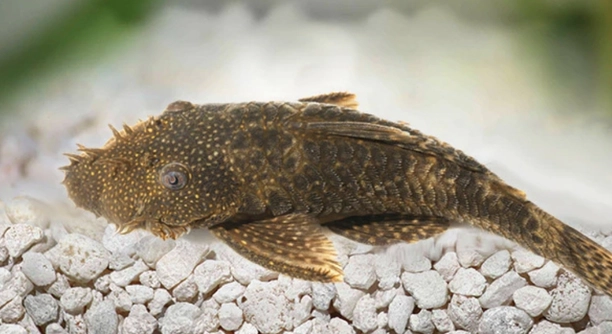
Do you ever find yourself noticing cloudy water in your pleco tank and wondering how to make it clearer and healthier? Keeping your fish’s environment clean can feel like a constant challenge.
Improving pleco water quality involves a combination of regular water changes, proper filtration, balanced feeding, and monitoring key water parameters. Each practice contributes to reducing toxins, maintaining oxygen levels, and creating a stable, healthy aquatic environment.
Maintaining clean water can feel overwhelming, but small adjustments can make a big difference for your pleco’s well-being.
Regular Water Changes
I always make sure to change a portion of my pleco’s tank water at least once a week. Even if the water looks clean, waste and leftover food can slowly build up and affect water quality. Small, consistent changes keep nitrate levels down and prevent harmful chemical buildup. I usually replace about 20–25% of the water each time, using a siphon to remove debris from the substrate. Fresh water helps balance pH and provides oxygen for the fish. Over time, this routine has made my pleco more active and healthier. It’s a simple step, but consistency matters more than the exact amount you change at once. Keeping a schedule and noting water conditions helps me avoid surprises. Using dechlorinated water also prevents stress and keeps the environment safe. I’ve noticed fewer algae blooms and clearer water when I stick to this plan, which makes maintaining the tank easier.
Regular water changes prevent toxic buildup and support long-term pleco health by maintaining stable chemical conditions.
Consistent partial water changes are essential for plecos because they minimize nitrate accumulation and reduce organic waste. Skipping changes may stress the fish, leading to weakened immunity. Removing uneaten food and debris ensures cleaner water, while adding dechlorinated fresh water maintains proper oxygen levels. Over time, the water stays clearer, and the pleco is healthier. Regular monitoring, combined with scheduled water changes, is an effective strategy for long-term tank maintenance.
Effective Filtration
A strong filter keeps the tank water clean and reduces the need for frequent maintenance.
Choosing the right filter for a pleco tank is critical because they produce a lot of waste. Canister filters or powerful hang-on-back filters work well, as they can handle large volumes of water and trap solid debris efficiently. Mechanical filtration removes particles, while biological filtration supports beneficial bacteria that break down ammonia and nitrites. I check my filter weekly to ensure it isn’t clogged, which can reduce efficiency. Positioning the filter so it circulates water throughout the tank also helps prevent stagnant areas. A well-maintained filter balances chemical, mechanical, and biological processes, keeping water safe and stable. Over time, this creates a healthier environment, reducing stress for my pleco and preventing common health issues. Using a filter together with regular water changes dramatically improves water clarity and quality, making tank maintenance less time-consuming.
Monitor Water Parameters
I always keep an eye on ammonia, nitrite, nitrate, and pH levels in my pleco tank. Even small fluctuations can stress the fish and affect their health.
Regular testing helps me catch issues before they become serious. I use test kits weekly to track water chemistry. Ammonia and nitrite should always be zero, while nitrate should stay low. pH levels vary depending on the species, but sudden changes can be harmful. Temperature is another key factor; keeping it stable prevents stress and illness. Tracking these parameters also helps me adjust feeding, cleaning, and filtration routines. Over time, monitoring has made maintaining a healthy tank much easier. It gives me confidence that my pleco is living in a stable environment with minimal risk of disease.
Monitoring water parameters allows for early detection of problems, helping maintain a safe and healthy habitat. Regular checks prevent sudden chemical imbalances that can harm the pleco.
Keeping these parameters stable requires diligence. Ammonia and nitrite spikes are dangerous, so I test after every water change or when adding new fish. Nitrate levels rise more slowly, but frequent monitoring prevents long-term buildup. I record pH trends to spot shifts and adjust accordingly. Temperature stability reduces stress, encouraging normal behavior and feeding. Observing all parameters together gives a full picture of tank health. By paying attention to these details, I can address small issues before they impact my pleco, ensuring it thrives in a well-balanced environment.
Control Feeding Amounts
Overfeeding can quickly degrade water quality, so I limit my pleco’s meals and remove leftovers.
I usually feed my pleco once a day and only as much as it can eat within a few hours. Excess food sinks to the bottom and decomposes, raising ammonia and nitrate levels. Using a feeding schedule helps me avoid overfeeding and keeps the tank cleaner. I also rotate types of food to ensure proper nutrition without adding unnecessary waste. Watching how quickly my pleco consumes food informs adjustments in quantity, preventing uneaten scraps. By controlling feeding amounts, I’ve reduced water issues significantly, making maintenance easier and improving my fish’s health.
Feeding in moderation minimizes organic waste, reduces water pollution, and supports pleco health. Too much food can lead to toxic buildup, promoting algae growth and harmful bacteria.
Tracking feeding habits and adjusting portions ensures the tank stays clean. I weigh or measure food to maintain consistency. Uneaten food is promptly removed to prevent decay. Providing high-fiber foods helps plecos digest properly and reduces leftover waste. I balance pellets, vegetables, and occasional treats, observing the pleco’s appetite for adjustments. Limiting feeding also reduces spikes in ammonia and nitrate, keeping water parameters stable. Proper feeding practices combined with filtration and water changes create a safer, more balanced environment, allowing the pleco to thrive while keeping maintenance manageable.
Remove Debris Regularly
I make it a habit to siphon the substrate and remove leftover food and waste a few times a week. This keeps the water cleaner and reduces harmful chemical buildup.
Regularly removing debris prevents ammonia spikes and keeps the tank visually clear. I’ve noticed my pleco is more active when the environment is tidy.
Maintain Proper Tank Size
Plecos need enough space to thrive, and a crowded tank worsens water quality. A larger tank dilutes waste and reduces stress. I upgraded my tank to give my pleco room to move freely, which improved its overall health and lowered maintenance needs.
Use Live Plants
Live plants help absorb nitrates and improve oxygen levels in the tank. They naturally filter the water while creating hiding spots for plecos. I keep a few hardy plants in the tank, which has noticeably reduced algae growth and stabilized water parameters, making maintenance easier.
Avoid Harsh Chemicals
I never use strong cleaning chemicals in or near my pleco tank. They can leave residues that harm fish and disrupt beneficial bacteria, which are essential for water quality.
FAQ
How often should I change my pleco’s water?
I change about 20–25% of my pleco’s tank water every week. Smaller, consistent changes prevent toxic buildup and keep water parameters stable. Full water changes can stress the fish, so partial weekly changes are safer and more effective for long-term water quality.
What type of filter is best for plecos?
Canister filters and strong hang-on-back filters work well because plecos produce a lot of waste. Mechanical filtration removes particles, while biological filtration supports beneficial bacteria. I check my filter weekly to prevent clogs and maintain proper water flow throughout the tank.
How do I monitor water parameters?
I test ammonia, nitrite, nitrate, and pH weekly using reliable test kits. Ammonia and nitrite should always be zero, and nitrate should remain low. I also track temperature to avoid sudden changes, which can stress plecos and reduce immunity.
Can I overfeed my pleco?
Yes. Overfeeding raises ammonia and nitrate levels, leading to poor water quality. I feed once a day and remove leftovers promptly. Watching how quickly my pleco eats helps me adjust portions and prevents uneaten food from decomposing in the tank.
Are live plants helpful in a pleco tank?
Live plants absorb nitrates, improve oxygen levels, and provide hiding spots. I keep a few hardy plants in my tank, which has helped reduce algae growth and stabilize water parameters. They complement filtration and water changes, making maintenance easier.
Is tank size important for water quality?
Absolutely. Larger tanks dilute waste more effectively and reduce stress. My pleco thrives in a spacious tank, which lowers maintenance and prevents overcrowding. Adequate space supports stable water parameters and encourages normal behavior and activity.
What cleaning methods are safe for the tank?
I avoid harsh chemicals entirely. Siphoning debris, gentle scrubbing of decorations, and using dedicated aquarium tools are safest. Chemicals can harm fish and disrupt beneficial bacteria that maintain healthy water chemistry. Regular manual cleaning combined with filtration keeps the tank stable.
How can I reduce algae growth?
Controlling feeding, maintaining proper lighting, and keeping live plants help reduce algae. I also clean surfaces gently during water changes. Algae thrive on excess nutrients, so managing nitrate levels and removing debris prevents overgrowth without harming my pleco.
How do I know my pleco is healthy?
Active swimming, normal feeding, and clear skin and fins indicate good health. I check for changes in behavior, appetite, or appearance. Maintaining clean water, proper feeding, and stable parameters helps my pleco stay vibrant and reduces the risk of disease.
Can I use tap water directly?
No. I always treat tap water to remove chlorine and chloramine before adding it to the tank. Untreated water can harm beneficial bacteria and stress the pleco. Using dechlorinated water ensures a safe, stable environment while keeping chemical levels consistent.
How can I prevent sudden water parameter changes?
Consistency is key. I avoid rapid water changes, maintain regular feeding schedules, and monitor temperature and pH closely. Gradual adjustments prevent stress and help my pleco adapt to minor shifts naturally, supporting long-term health and tank stability.
What should I do if ammonia spikes?
Immediate partial water changes help reduce ammonia levels. I also check the filter for clogs, remove leftover food, and reduce feeding temporarily. Beneficial bacteria take time to recover, so I monitor levels closely until they stabilize. Maintaining consistent water management prevents repeated spikes.
Are plecos sensitive to temperature changes?
Yes, sudden changes can stress them and weaken immunity. I maintain a stable temperature using a heater if needed and avoid placing the tank in drafty areas. Consistent temperature keeps plecos active, improves appetite, and reduces disease risk.
How do I prevent nitrate buildup?
Regular water changes, controlled feeding, live plants, and effective filtration all reduce nitrate accumulation. I monitor nitrate levels weekly and adjust maintenance routines when they rise. Keeping the tank balanced prevents water quality issues and promotes long-term pleco health.
Can plecos tolerate other fish in the same tank?
They can, if tankmates are compatible and the tank isn’t overcrowded. Aggressive species or too many fish can increase waste and stress, affecting water quality. I carefully choose peaceful species and maintain proper filtration to support a balanced community tank.
How do I handle cloudy water?
Cloudy water often results from bacteria blooms or suspended debris. I perform partial water changes, clean the substrate, and ensure the filter is functioning properly. Monitoring feeding habits and water parameters helps me prevent future episodes, keeping the tank clear and healthy.
Can I use aquarium additives to improve water quality?
Some additives can help, but I use them sparingly. Beneficial bacteria supplements can support biological filtration, especially after cleaning. I avoid chemical treatments unless necessary, as they can disrupt the tank’s balance. Regular maintenance is the most reliable method.
How long can plecos go without cleaning the tank?
Not long. Even with strong filtration, waste builds up quickly. I stick to weekly partial water changes and substrate cleaning. Skipping maintenance can lead to toxic water conditions, stress, and health problems for the pleco.
What signs indicate poor water quality?
Cloudy water, strong odor, algae overgrowth, lethargic fish, or loss of appetite all signal declining water quality. I check water parameters immediately if these occur and adjust cleaning, feeding, or filtration routines to restore a healthy environment.
Are substrate choices important for water quality?
Yes. Smooth gravel or sand prevents waste from accumulating too deeply and makes siphoning easier. I avoid sharp or overly fine substrates that trap debris, which helps maintain clean water and reduces ammonia buildup over time.
How can I balance all these maintenance tasks?
I keep a schedule for water changes, testing, feeding, and cleaning. Breaking tasks into small, regular steps makes them manageable. Tracking results and observing the pleco’s behavior helps me adjust routines and maintain a consistently healthy tank without feeling overwhelmed.
Keeping a pleco healthy starts with paying attention to water quality. Over time, I’ve learned that even small steps make a noticeable difference. Regular water changes, proper filtration, and monitoring water parameters create a stable environment that reduces stress and supports natural behavior. I make sure ammonia and nitrite are always at zero, and nitrate levels stay low. Controlling feeding amounts and removing uneaten food prevents the buildup of waste, which can quickly degrade water quality. By sticking to these routines, I’ve seen my pleco become more active and vibrant, and the tank stays clearer and easier to maintain. Consistency is key, and even simple actions repeated weekly help maintain a safe and healthy habitat for the fish.
Using live plants and keeping the tank at an appropriate size also contributes to better water conditions. Live plants absorb nitrates, improve oxygen levels, and provide hiding places, which make the pleco feel secure. A spacious tank dilutes waste and reduces competition, lowering stress for the fish. Filtration is another important factor. I use a strong filter to remove particles and support beneficial bacteria, which keeps chemical levels balanced. Checking the filter regularly prevents clogs and ensures proper water circulation. These combined efforts create a healthier environment where the pleco can thrive. Over time, I’ve noticed that when the tank is well-maintained, algae growth is minimal, and the water stays clearer, making it easier to enjoy the tank without constant intervention.
Maintenance doesn’t have to be overwhelming if it’s done systematically. By following a schedule for water changes, feeding, cleaning, and testing, I keep track of all necessary tasks and avoid last-minute stress. Observing the pleco’s behavior and appetite helps me identify potential problems early. Avoiding harsh chemicals and being cautious with additives also protects the beneficial bacteria that maintain water quality. Every step, from siphoning debris to checking temperature and pH, contributes to the overall health of the tank. With patience and attention, it’s possible to provide a stable, clean, and safe home for a pleco. Over time, these habits become part of a routine, and the fish remain healthy and active, while the tank stays easier to manage. Maintaining water quality is not just about cleaning—it’s about creating a balanced environment that supports the pleco’s long-term well-being.

Hello,
If you enjoy the content that we create, please consider saying a "Thank You!" by leaving a tip.
Every little bit helps us continue crafting quality advice that supports the health, happiness, and well-being of pets around the world, for pets of all shapes, sizes, and species.
We really appreciate the kindness and support that you show us!