How Big Should a Pleco Tank Really Be?

Have you ever set up a tank for a pleco and wondered if it really had enough space to thrive? Plecos are fascinating fish with unique needs, and tank size plays a crucial role in their health and comfort. The ideal pleco tank size depends on the species, but generally, a minimum of 75 gallons … Read more
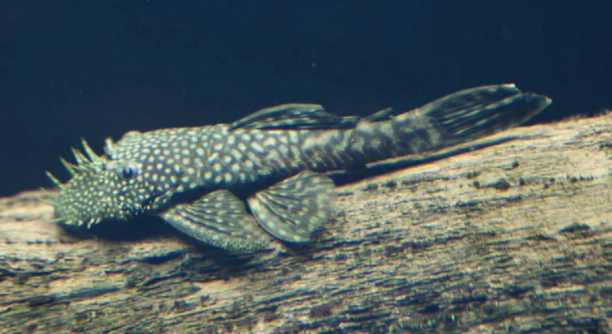
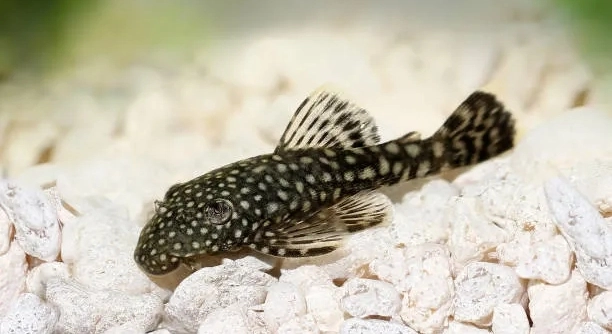
Can Bristlenose Plecos Share Food Areas?

Do your Bristlenose Plecos seem to spend a lot of time near the same food spots in your tank? Observing their feeding habits can reveal patterns and behaviors that may affect how they share resources in captivity. Bristlenose Plecos can coexist at the same food areas, but territorial behavior may arise depending on tank size, … Read more

Why Do Plecos Suddenly Lose Their Appetite?

Are your plecos suddenly refusing to eat even their favorite foods? It can be alarming to watch them ignore meals, leaving you unsure about what might be causing their sudden loss of appetite. Plecos commonly lose their appetite due to changes in water quality, stress, illness, or improper diet. Poor conditions can affect their digestive … Read more

Why Is My Pleco Hiding During Feeding Time?

Do you ever notice your pleco slipping away just as you pour in its food? Many owners find themselves watching their fish retreat to the shadows, leaving feeding time quiet and a little puzzling. Plecos often hide during feeding because they are naturally nocturnal and shy. Environmental stress, tank setup, and sudden movements can make … Read more

7 Reasons Plecos Might Stop Using Their Cave

Plecos are fascinating fish that love to explore their tanks and find cozy hiding spots. Sometimes, though, they suddenly avoid their cave, leaving owners unsure why their pet is acting differently. Observing their behavior can reveal small clues. Plecos may stop using their cave due to water quality issues, tank layout changes, illness, stress, territorial … Read more

Why Is My Pleco Climbing the Filter?

Is your pleco climbing the filter instead of staying on the tank floor? This behavior can be surprising for new fish owners. Watching your fish explore its environment is normal, though it can sometimes signal underlying issues. Plecos climb filters primarily due to low oxygen levels, stress, or searching for food. Ensuring proper water flow, … Read more

7 Ways to Improve Pleco Activity Levels

Is your pleco moving less than usual, seeming to hide more often than swim around? Many owners notice changes in activity levels, which can affect both the health of the fish and the overall aquarium environment. Improving pleco activity levels involves maintaining proper tank conditions, providing varied and nutritious food, and encouraging natural behaviors through … Read more

7 Tank Conditions That Slow Pleco Growth

Are your plecos growing slower than expected, leaving you unsure of what might be affecting their progress in the tank? Many aquarium owners face similar challenges when it comes to their pleco’s development and overall health. Plecos often experience slow growth due to poor tank conditions such as inadequate water quality, insufficient space, and improper … Read more

7 Signs Your Pleco Might Be Sick

Do you ever notice your pleco acting differently in its tank, moving less or hiding more than usual? Observing changes in behavior and appearance can help you understand your pet’s health and well-being early on. Sick plecos often display physical and behavioral symptoms that indicate underlying health issues. Common signs include changes in appetite, unusual … Read more

7 Things That Scare Bristlenose Plecos

Bristlenose plecos are gentle fish that often live quietly at the bottom of aquariums. They enjoy exploring hiding spots and grazing on algae, but certain changes in their environment can make them feel stressed or unsafe. Bristlenose plecos are sensitive to sudden movements, loud noises, abrupt water changes, overly bright lighting, aggressive tank mates, lack … Read more