
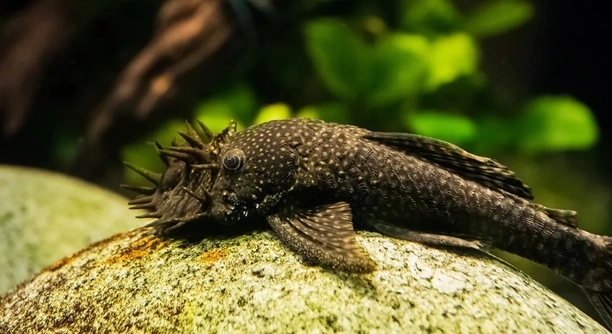
Have you ever set up a tank for a pleco and wondered if it really had enough space to thrive? Plecos are fascinating fish with unique needs, and tank size plays a crucial role in their health and comfort.
The ideal pleco tank size depends on the species, but generally, a minimum of 75 gallons is recommended for adult plecos. Adequate space supports proper growth, swimming behavior, and reduces stress, ensuring the fish remains healthy and active.
Understanding tank size is just the start of keeping plecos happy. Proper planning can prevent health issues and create a more enjoyable environment for your fish.
Why Tank Size Matters
Plecos are much larger than many people expect. Even smaller species can grow quickly, and adult plecos need plenty of space to move comfortably. A cramped tank can lead to stress, poor water quality, and stunted growth. Their long bodies and heavy fins require swimming room, and hiding spots alone cannot replace proper space. Large tanks allow water to remain stable, reducing sudden changes in temperature and chemistry that can harm the fish. Overcrowding also increases aggression, especially in nocturnal species that become territorial at night. Proper filtration and regular water changes help, but they cannot fully compensate for insufficient tank size. Observing a pleco in a spacious tank reveals natural behavior: exploring, grazing on surfaces, and interacting with the environment. These behaviors are essential for their mental stimulation and physical health. When planning a tank, consider both current size and potential adult growth, rather than what seems sufficient at first.
A larger tank makes maintenance easier and keeps plecos healthier over time. Stability in water quality is key for their longevity.
Space impacts more than swimming. It also allows for diverse decorations, driftwood, and hiding areas, giving plecos security and comfort. Tanks that feel too small limit their natural grazing habits and exploration. Water circulation is better in bigger tanks, reducing debris buildup and providing oxygen-rich areas. Multiple plecos require even more space to prevent stress and competition. Adjusting tank size for growth ensures healthier fish and fewer problems with water quality. Over time, a properly sized tank reduces disease risk and behavioral issues, creating an environment where plecos can thrive. Investing in sufficient space may seem daunting, but it pays off with stronger, more active fish and less frequent tank interventions. Observing a pleco moving freely across a roomy tank highlights how critical this factor is for their overall well-being. A good tank size is as important as diet and filtration.
Choosing the Right Tank
Choosing a tank requires considering the pleco’s adult size. Small tanks feel cramped as they grow.
Selecting the right tank begins with research on the species you plan to keep. Common plecos can reach over a foot long, requiring at least a 75-gallon tank, while smaller species like bristlenose plecos may be comfortable in 30–40 gallons. Depth and width matter as much as length because plecos spend time at the bottom and along surfaces. Tank material can affect temperature regulation, and larger tanks often provide more stable conditions. Consider future growth and any other fish you plan to keep. Decorations should not restrict swimming paths, and hiding spots need to be strategically placed to reduce stress. Filtration should match tank volume, as larger tanks with more waste require stronger systems to maintain clean water. Planning ahead ensures that the pleco has adequate space for its entire lifespan, making maintenance easier and supporting healthy behavior patterns. This approach prevents issues like stunted growth, aggression, or disease caused by overcrowding. The extra effort in choosing an appropriate tank ensures a healthier, more active pleco that exhibits natural behaviors. Proper space fosters a better environment, reduces stress, and supports long-term care efficiency.
Tank Shape and Layout
A tank’s shape influences swimming space and water flow. Longer tanks provide more horizontal room, while taller tanks may limit movement for bottom-dwelling plecos. Proper layout with hiding spots improves comfort.
Long tanks are generally better for plecos because they offer more horizontal swimming space. Plecos spend most of their time near the bottom, grazing along surfaces and exploring. A wide tank allows them to move freely without bumping into decorations or each other. Including driftwood, rocks, and caves gives them places to hide and reduces stress. Avoid overcrowding with decorations that block open areas, as plecos need room to graze and swim. Layout should balance open space and secure hiding spots for natural behavior.
Placement of decorations should not restrict water flow. Driftwood and caves should be stable to prevent toppling. Open swimming areas should be prioritized. Arranging elements thoughtfully ensures plecos can reach food and explore comfortably, while providing shelter from more aggressive tank mates. Good layout reduces territorial disputes and allows the fish to interact naturally with their environment. Proper flow from filtration should not be blocked, and hiding spots should be spaced to encourage multiple plecos to coexist without stress.
Filtration and Water Quality
Strong filtration is essential for plecos because they produce a lot of waste. Proper water flow maintains oxygen and reduces toxins.
Plecos are messy fish, producing significant amounts of waste that can pollute water quickly. Efficient filtration prevents ammonia, nitrite, and nitrate buildup, which can harm the fish. Filters should match or exceed tank volume, ideally with mechanical, chemical, and biological components. Regular water changes complement filtration, keeping parameters stable and preventing harmful spikes. Plecos prefer well-oxygenated water, and proper flow supports their natural grazing activity. A clean tank reduces stress and the risk of disease, promoting longer, healthier lives. Proper maintenance routines also make the tank easier to manage.
Feeding and Space Needs
Plecos need enough space to access food without competition. Overcrowding can prevent them from grazing properly and increase stress.
Providing multiple feeding spots helps ensure all plecos get enough nutrition. Hiding food in driftwood or near the bottom mimics natural feeding habits and keeps them active.
Tank Companions
Plecos are generally peaceful but can become territorial in small spaces. Avoid aggressive or overly active fish in the same tank. Proper tank size minimizes conflicts and ensures peaceful coexistence with other species, allowing each fish to have its own area.
Temperature and Water Parameters
Stable temperature and water quality are critical. Plecos thrive in slightly warmer tropical conditions and need consistent pH and hardness. Frequent fluctuations can stress them and affect growth, making proper monitoring essential.
FAQ
How big should my pleco tank be for a single adult?
A single adult pleco generally needs at least 75 gallons. This allows enough swimming space and supports proper growth. Smaller tanks can stunt growth and increase stress, which can lead to health problems. Always account for the species’ adult size, not just juvenile measurements.
Can smaller tanks work for baby plecos?
Juvenile plecos can live in smaller tanks temporarily, but they grow quickly. A 30–40 gallon tank may be okay for a young pleco, but you will need to upgrade as it grows. Planning ahead prevents stress and overcrowding later on.
Do plecos need hiding spots?
Yes, hiding spots are essential for security. Driftwood, caves, and rocks provide areas for plecos to retreat. Proper hiding spots reduce stress, encourage natural grazing behaviors, and help shy or nocturnal species feel safe.
How many plecos can I keep in one tank?
The number depends on tank size and species. A 75-gallon tank may comfortably house one large pleco. Smaller species like bristlenose can be kept in pairs or small groups if there’s enough space and hiding spots. Overcrowding leads to aggression and poor water quality.
Does tank size affect water quality?
Yes. Larger tanks are more stable and dilute waste better. Plecos produce a lot of waste, and small tanks can quickly accumulate ammonia, nitrites, and nitrates. Strong filtration and regular water changes are necessary to maintain safe water conditions, especially in smaller tanks.
Can plecos live in community tanks?
Yes, but tank size matters. Inadequate space can cause territorial disputes. Pairing plecos with calm, non-aggressive fish works best. Avoid aggressive species that compete for food or disrupt hiding spots. A spacious tank reduces stress and ensures peaceful interactions.
Do plecos need a specific tank shape?
Horizontal space is more important than height. Plecos are bottom dwellers and need room to explore and graze. Longer, wider tanks are preferable. Tall, narrow tanks limit movement and can increase stress, even if the overall volume seems sufficient.
How does tank size affect pleco growth?
Insufficient space can stunt growth. Plecos need room to swim freely and maintain healthy behavior. A properly sized tank encourages activity, proper grazing, and overall well-being, while cramped conditions lead to health issues and abnormal behavior.
Is filtration more important in smaller tanks?
Yes, smaller tanks accumulate waste faster. Strong filtration is essential to keep ammonia, nitrites, and nitrates at safe levels. Filters should match or exceed the tank’s volume, and regular water changes are crucial, especially in tanks under 75 gallons.
What are signs my pleco needs more space?
Signs include stunted growth, aggression, hiding excessively, or reduced activity. Poor water quality and frequent health issues can also indicate overcrowding. Upgrading to a larger tank ensures better swimming room, more stable water parameters, and improved overall health.
How often should I upgrade the tank?
Upgrade whenever the pleco outgrows the current space. Juveniles may need a larger tank within months. Monitoring growth and behavior helps determine the right time. A proactive approach prevents stress, aggression, and health problems related to cramped conditions.
Can decorations replace extra space?
Decorations cannot replace swimming room. While hiding spots and driftwood are important, plecos need open areas to move and graze. Too many decorations in a small tank can increase stress and limit natural behavior, even if there are enough hiding spots.
Does water flow matter with tank size?
Yes. Proper flow ensures oxygen distribution and prevents waste buildup. In larger tanks, water circulation supports grazing and activity. In small tanks, insufficient flow can lead to stagnant areas, stressing the pleco and impacting water quality.
How do I balance multiple plecos in one tank?
Ensure adequate space, multiple hiding spots, and open swimming areas. Overcrowding causes aggression and poor water conditions. Consider species compatibility, adult size, and tank volume before adding more than one pleco. Proper planning minimizes conflicts and promotes healthy behavior.
Can plecos survive in too small a tank temporarily?
They may survive, but it is not ideal. Small tanks increase stress, stunt growth, and reduce activity. Short-term housing is acceptable only if you plan to upgrade quickly and maintain excellent water quality with strong filtration and frequent changes.
Do plecos need tall tanks for oxygen?
No, height does not replace horizontal space. Plecos are bottom dwellers and require room to explore along the tank floor. Proper water flow and filtration provide oxygenation better than tank height. Horizontal space is always more important for their comfort.
How does tank size affect pleco behavior?
Cramped tanks can increase aggression, hiding, and reduced activity. Larger tanks encourage natural grazing, swimming, and exploration. Observing a pleco in a spacious environment shows more active and healthy behavior, reflecting reduced stress and overall well-being.
What’s the minimum safe tank size for common pleco species?
Common plecos need at least 75 gallons for adults. Smaller species like bristlenose can manage in 30–40 gallons temporarily, but adult size must always guide tank choice. Planning for future growth ensures health, activity, and long-term well-being.
How do I know when the tank is too small?
Signs include stunted growth, excessive hiding, aggression, and frequent water issues. Plecos should be able to swim freely, graze naturally, and have access to multiple hiding spots. If the fish seems stressed or inactive, tank size may need adjustment.
Are larger tanks easier to maintain?
Yes. Larger tanks stabilize water parameters and dilute waste more effectively. They reduce stress on filtration and make water changes less frequent. Properly sized tanks support healthier plecos and minimize common problems caused by cramped conditions.
Final Thoughts
Ensuring your pleco has the right tank size is one of the most important steps in keeping it healthy and happy. Plecos are often underestimated when it comes to their space needs, and many fish owners make the mistake of assuming a smaller tank will be sufficient. Even species that start small can grow quickly, and adult plecos require ample room to move freely, graze, and explore their environment. Providing a tank that meets these requirements reduces stress, prevents stunted growth, and supports natural behaviors. Space also impacts water quality. A larger tank is easier to maintain because waste is more diluted, and filtration systems work more efficiently. When plecos live in cramped tanks, water conditions can deteriorate faster, leading to ammonia or nitrate spikes that affect the fish’s health. Observing your pleco in a proper-sized tank shows the difference—active swimming, grazing along surfaces, and exploring decorations indicate that the fish is comfortable and well-adjusted.
Tank size is also closely connected to the overall setup, including filtration, decorations, and tank companions. Driftwood, caves, and rocks provide necessary hiding spots, but they cannot replace swimming space. A well-laid-out tank allows your pleco to reach food, explore, and retreat when needed. Filtration and water flow are equally important, and these systems work better in tanks that are correctly sized for the fish. Overcrowding increases the risk of territorial disputes, aggression, and stress, especially if you keep more than one pleco. Proper planning when selecting a tank reduces these risks and helps ensure that the fish can coexist peacefully with other species. Considering both the current size of the pleco and its potential adult growth is essential to avoid having to upgrade the tank repeatedly or manage stressful conditions for the fish.
Finally, investing in a large enough tank is an investment in your pleco’s long-term health and quality of life. While it may require more space in your home or a higher initial cost, the benefits far outweigh the challenges. A roomy tank supports proper growth, stable water parameters, and natural behaviors, while making routine maintenance easier. Plecos in appropriately sized tanks are less prone to disease, more active, and exhibit natural grazing and exploration habits. By understanding their needs and preparing an environment that meets them, you create a healthier and more comfortable home for your pleco. Prioritizing tank size is not just about accommodating a fish—it’s about ensuring its well-being and giving it the best chance to thrive for many years.

Hello,
If you enjoy the content that we create, please consider saying a "Thank You!" by leaving a tip.
Every little bit helps us continue crafting quality advice that supports the health, happiness, and well-being of pets around the world, for pets of all shapes, sizes, and species.
We really appreciate the kindness and support that you show us!