
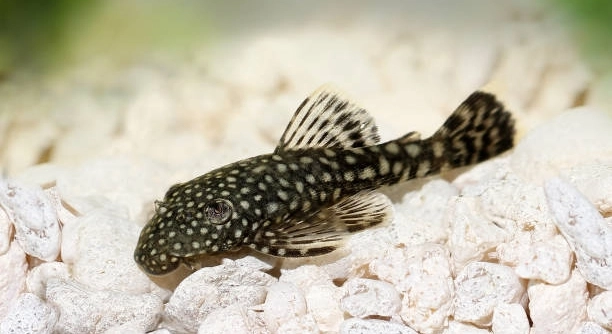
Is your pleco climbing the filter instead of staying on the tank floor? This behavior can be surprising for new fish owners. Watching your fish explore its environment is normal, though it can sometimes signal underlying issues.
Plecos climb filters primarily due to low oxygen levels, stress, or searching for food. Ensuring proper water flow, adequate oxygenation, and a balanced diet helps reduce this behavior and supports the pleco’s overall health and comfort in the aquarium.
Observing your pleco’s movements can reveal more about its tank environment. Small adjustments can make a big difference in your fish’s well-being.
Understanding Pleco Behavior
Plecos are naturally curious fish. Climbing the filter is one way they explore their environment. Some plecos do this because the water near the filter may be more oxygenated. Others may be looking for leftover food particles that float near the filter. Tank size also matters. In smaller tanks, plecos may feel cramped and use the filter as a vertical space to swim. Lighting can influence behavior too. Bright lights may make plecos feel exposed, leading them to seek shelter near the filter. It’s common for younger plecos to climb more frequently as they are more active and adventurous. Older plecos may climb less but still explore vertical surfaces. The type of filter matters as well; smooth filters are easier for climbing than rough or textured ones. Regular observation can help you understand patterns in your pleco’s behavior, making it easier to adjust their tank setup and improve comfort.
Plecos climbing the filter is usually harmless. Most of the time, it’s normal exploration or seeking oxygen.
Watching how your pleco interacts with the tank can help you spot stress or changes. Adjusting water flow, food placement, and decorations can improve comfort and reduce climbing.
Water Quality and Tank Conditions
Poor water conditions often trigger filter climbing. Fish respond strongly to ammonia, nitrite, and nitrate levels. Regular water testing is essential to keep these compounds low. Temperature fluctuations can stress plecos and push them to seek calmer spots near the filter. Proper aeration and flow help maintain oxygen levels, which plecos instinctively chase. Substrate choice can affect climbing behavior too; smooth or slippery surfaces encourage vertical exploration. Decorations, hiding spots, and driftwood provide areas for resting and reduce the need to climb. Overcrowding can make plecos uneasy, making them climb more often as a coping mechanism. Feeding habits influence behavior as well; plecos may search near the filter for leftover food if their diet is insufficient or irregular. Monitoring their routine, observing changes, and maintaining clean water ensures your pleco remains healthy and active. With consistent care, climbing behavior usually decreases naturally as the fish settles into a stable, comfortable environment.
Keeping water clean and consistent is key. Small daily changes in tank care prevent stress and support a healthier, calmer pleco.
Feeding and Nutrition
Plecos often climb the filter when they are hungry or searching for leftover food. Ensuring a balanced diet with algae wafers, vegetables, and occasional protein sources helps reduce this behavior and keeps them healthy.
Providing a consistent feeding schedule makes a big difference. Plecos thrive on vegetables like zucchini, cucumber, and spinach. Algae wafers should be given in moderation, and occasional protein from shrimp or bloodworms supports growth. Uneaten food should be removed to prevent water quality issues. Watching your pleco’s eating habits helps you know if climbing is due to hunger or exploration. Overfeeding can also cause water problems, so balance is key. When plecos have enough food and variety, they are less likely to seek extra scraps near the filter.
Sometimes climbing is related to boredom rather than hunger. Adding driftwood, caves, or smooth decorations gives plecos safe areas to explore. These additions provide enrichment, keep them active, and reduce the urge to cling to vertical surfaces. A well-structured tank makes them feel secure while still offering mental stimulation.
Tank Decorations and Environment
Smooth filters encourage climbing. Adding driftwood, rocks, and hiding spots reduces stress and gives plecos vertical spaces for climbing safely. Maintaining a clean and comfortable tank helps.
Decorations directly influence pleco behavior. Driftwood not only gives hiding spaces but also aids digestion by releasing small amounts of fiber. Rocks and caves mimic natural habitats, offering areas to rest and explore without needing the filter. Avoid overcrowding the tank, as too many fish make plecos feel exposed and anxious. Strategic placement of decorations creates territories and breaks up line-of-sight stress from other tankmates. Lighting can also affect behavior; dimmer spots make plecos feel safer. By arranging the tank thoughtfully, climbing behavior often decreases, and plecos feel more secure while still having areas to explore.
Filter Type and Flow
Strong currents near the filter can make plecos cling to it for stability. Adjusting flow helps them swim comfortably.
Sponge filters or slower-moving filters reduce stress. Plecos often climb to escape strong currents, so balancing water movement with comfort is important for their well-being.
Stress and Tank Mates
Aggressive or overly active fish can stress plecos. Stress often leads to climbing behavior as they seek safer areas. Ensuring peaceful tank mates helps your pleco feel secure.
Monitoring Health
Regularly check your pleco for signs of illness. Unusual climbing can indicate gill problems or other health issues, requiring attention.
FAQ
Why is my pleco climbing the filter all the time?
Plecos climb the filter mostly to find oxygen-rich water or explore vertical surfaces. Sometimes it is a response to stress, boredom, or hunger. Ensuring proper aeration, a balanced diet, and a well-decorated tank helps reduce constant climbing. Observing patterns over time helps identify the exact reason.
Can climbing harm my pleco?
In most cases, climbing is harmless. However, if the filter surface is rough or the pleco gets stuck, injuries can occur. Smooth surfaces and safe decorations prevent harm. Regular tank checks and watching for scratches or fin damage help keep them safe.
Does tank size affect filter climbing?
Yes. Smaller tanks can make plecos feel cramped, increasing climbing behavior. Larger tanks with ample swimming space and hiding areas reduce stress and encourage natural resting behavior, lowering the need to cling to vertical surfaces.
Could poor water quality be the reason?
Absolutely. High ammonia, nitrite, or nitrate levels stress plecos, causing them to climb toward areas with higher oxygen, often near filters. Regular water testing, proper filtration, and partial water changes keep the environment safe and reduce climbing.
Do plecos climb at night or during the day?
Plecos are mostly nocturnal but may climb during the day if stressed or searching for food. Proper lighting, hiding spots, and consistent feeding schedules help regulate behavior. Observing their routine can help you adjust tank conditions for comfort.
Is my pleco climbing because it is hungry?
Sometimes. Plecos may search near filters for leftover food if their diet is insufficient. Feeding a balanced diet with algae wafers, vegetables, and occasional protein ensures they feel satisfied, reducing unnecessary climbing.
Can tank mates influence climbing behavior?
Yes. Aggressive or overly active tank mates can make plecos anxious. Climbing may be a way to escape or find calmer areas. Choosing peaceful companions and providing enough hiding spaces helps your pleco feel secure.
Does filter type make a difference?
Strong currents from powerful filters can push plecos to cling for stability. Sponge filters or adjustable flow systems reduce stress and allow plecos to swim comfortably without needing to climb. Matching filter type to tank size is important.
Could health issues be a cause?
Unusual climbing may indicate gill problems, skin infections, or other health concerns. Monitoring breathing, appetite, and activity levels helps detect issues early. Prompt treatment ensures your pleco remains healthy and reduces unnecessary climbing.
How can I prevent excessive climbing?
Provide a balanced diet, proper tank size, safe decorations, peaceful tank mates, and clean water. Maintaining consistent temperature, flow, and lighting reduces stress, keeping your pleco comfortable. Observation and small adjustments make the tank a secure and stimulating environment.
Do plecos eventually stop climbing the filter?
Yes, with stable tank conditions, sufficient food, and enrichment, climbing usually decreases. They may still explore occasionally, but over time they adapt to a comfortable environment and spend more time resting or grazing.
Can decorations completely replace climbing behavior?
Decorations help, but they may not fully eliminate climbing. Plecos are naturally curious and sometimes climb for exercise or exploration. Driftwood, caves, and smooth vertical surfaces provide safe alternatives while satisfying their instinct to explore.
Is it normal for baby plecos to climb more than adults?
Yes. Younger plecos are more active and exploratory. Adult plecos tend to climb less as they settle into a routine. Providing enrichment and hiding spots for young plecos reduces stress and supports healthy growth.
Do plecos climb during water changes?
They may. Water changes can temporarily alter water flow, temperature, or oxygen levels, causing plecos to seek calmer areas. Performing gradual water changes with minimal disturbance helps them remain comfortable and reduces climbing stress.
How long should I monitor climbing before taking action?
Observe your pleco for at least a week to understand patterns. Track feeding, activity, and tank conditions. This helps determine if climbing is normal behavior or a sign of stress or health issues. Taking early action prevents complications.
Can lighting affect climbing behavior?
Yes. Bright or inconsistent lighting can make plecos feel exposed, pushing them toward filters or vertical surfaces. Providing shaded areas and dimmer lighting options creates a secure environment and reduces stress-driven climbing.
What role does oxygenation play in climbing?
Plecos climb toward oxygen-rich areas when tank oxygen is low. Proper aeration with air stones or well-placed filtration ensures even oxygen distribution, reducing the need for plecos to cling near filters. Monitoring oxygen levels is crucial in maintaining comfort.
Are there signs that climbing is a serious problem?
Yes. Look for labored breathing, scratches, abnormal swimming, or loss of appetite. Persistent climbing combined with these signs may indicate health issues. Immediate water checks, tank adjustments, and potential treatment are necessary to protect your pleco.
Can overfeeding cause climbing behavior?
Indirectly. Overfeeding can degrade water quality, increasing stress. This may cause plecos to climb more as they seek cleaner, oxygen-rich areas. Balanced feeding prevents water problems and keeps your pleco calm and comfortable.
How do I know if my pleco is exploring or stressed?
Normal exploration is occasional, smooth, and calm. Stress-driven climbing is frequent, frantic, or associated with hiding or rapid swimming. Observing body language, gill movement, and interaction with tank mates helps determine the cause and guides proper care.
Does temperature affect climbing?
Yes. Temperature fluctuations can stress plecos, pushing them toward the filter or vertical areas with slightly different flow or oxygen. Maintaining stable temperatures within species-specific ranges reduces stress and minimizes climbing behavior.
How often should I adjust the tank to reduce climbing?
Small, gradual changes are best. Frequent large adjustments increase stress and may worsen climbing. Regular observation, minor tweaks to flow, decorations, or lighting, and consistent feeding routines create a stable environment that naturally reduces climbing over time.
Can enrichment alone stop climbing?
Enrichment reduces climbing by offering alternatives, but it may not eliminate it completely. Plecos have natural instincts to explore vertical spaces, so combining enrichment with proper tank care, diet, and water quality is the most effective approach.
Is filter climbing common in all pleco species?
Not all species climb equally. Some are more active and curious, while others prefer resting on surfaces. Understanding your specific pleco’s behavior helps manage climbing appropriately and provides species-appropriate care to support health and comfort.
What is the first step if climbing seems abnormal?
Check water quality, temperature, and oxygen levels. Observe behavior, appetite, and breathing. Correcting environmental factors and monitoring closely is the first step before considering health interventions or tank adjustments.
Final Thoughts
Plecos climbing the filter is a behavior that can seem unusual at first, but it is often normal. These fish are naturally curious and like to explore their surroundings. Climbing is one way they interact with their environment and find areas that feel comfortable. Most of the time, this behavior is harmless, especially if the tank is well-maintained and safe. Observing your pleco regularly helps you understand its patterns and decide if any changes are needed. Simple actions like adjusting water flow, providing hiding spots, or offering a balanced diet can make a big difference in how often your pleco climbs.
Proper tank setup is essential for reducing unnecessary climbing and ensuring your pleco’s health. Adequate tank size allows plecos to swim freely without feeling cramped. Decorations like driftwood, rocks, and caves give them places to rest and explore safely, which can reduce the need to cling to the filter. Filtration type and water flow also matter. Strong currents can make plecos hold onto surfaces for stability, so adjusting flow or using sponge filters can help. Temperature, lighting, and oxygen levels play a role as well. Keeping the tank environment stable and comfortable supports natural behaviors and reduces stress, which is often a cause of excessive climbing.
Monitoring your pleco’s health and habits is just as important as maintaining the tank. Climbing can sometimes indicate stress, poor water quality, or health issues like gill problems or infections. Regular observation of appetite, breathing, and swimming patterns helps catch problems early. Feeding a consistent, balanced diet and maintaining clean water reduces stress and keeps your pleco active without relying on the filter for comfort. With careful attention to tank conditions, feeding, and enrichment, plecos usually settle into a routine. While climbing may still occur occasionally, it is often less frequent and more controlled, reflecting a happy and healthy fish living in a well-cared-for environment.

Hello,
If you enjoy the content that we create, please consider saying a "Thank You!" by leaving a tip.
Every little bit helps us continue crafting quality advice that supports the health, happiness, and well-being of pets around the world, for pets of all shapes, sizes, and species.
We really appreciate the kindness and support that you show us!