
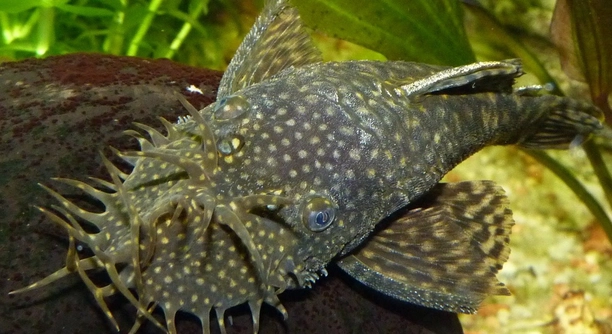
Bristlenose plecos are gentle fish that often live quietly at the bottom of aquariums. They enjoy exploring hiding spots and grazing on algae, but certain changes in their environment can make them feel stressed or unsafe.
Bristlenose plecos are sensitive to sudden movements, loud noises, abrupt water changes, overly bright lighting, aggressive tank mates, lack of hiding spaces, and fluctuating water parameters. Each of these factors can trigger stress responses and impact their health and behavior.
Learning how these factors affect plecos can help you create a calmer environment. Observing their reactions carefully ensures they stay comfortable and thrive in your aquarium.
Sudden Movements
Bristlenose plecos are small fish that can be easily startled. Quick movements around the tank, like reaching in for feeding or tapping the glass, can make them hide or dart to corners. Even if you think they won’t notice, plecos are very aware of motion near them. In a natural setting, sudden motion signals danger, so they respond instinctively. Over time, frequent disturbances may increase their stress, affecting their eating habits and activity levels. It is helpful to move slowly and calmly when near their tank. If you need to adjust decorations or clean the aquarium, doing it gradually helps keep plecos comfortable. Observing how they react can guide you in maintaining a peaceful environment. Plecos feel safer when their surroundings are predictable. Small adjustments like slowly adding new decorations or plants can reduce their anxiety. This makes the tank a more relaxed place for them to explore and graze naturally.
Slow and careful movements around the aquarium help plecos stay relaxed and prevent unnecessary stress responses.
Paying attention to their reactions during daily tank activities ensures they remain comfortable and confident. A calm approach improves their overall health.
Loud Noises
Sudden or constant loud noises can frighten plecos and other fish. Vibrations from speakers, vacuum cleaners, or nearby construction may startle them, causing them to retreat or hide. Plecos have sensitive lateral lines along their bodies that detect vibrations in the water. These sensors help them sense danger and navigate, but loud disturbances overwhelm them. Even if the noise does not seem directly in the water, the vibrations carry through the tank. Over time, repeated exposure can lead to chronic stress, reducing appetite and lowering immunity. Providing a quiet area or placing the aquarium away from frequent noise sources gives plecos a more stable environment. Soft background sounds like gentle water flow are less likely to disturb them. If you notice they hide often during specific times, it might be a sign that the noise is bothering them. Reducing sudden sounds and maintaining consistency in their surroundings helps plecos feel secure and encourages normal behavior patterns.
Loud or frequent vibrations disrupt plecos’ sense of safety and can affect their health if left unaddressed.
Abrupt Water Changes
Frequent or large water changes can stress bristlenose plecos. Sudden shifts in temperature, pH, or hardness disrupt their comfort and may cause hiding or reduced feeding. Gradual changes help them adjust without panic.
Rapid water changes shock plecos because their bodies adapt slowly to water chemistry. Even small shifts in pH or temperature can trigger stress responses. Plecos rely on stable conditions to maintain normal bodily functions. Sudden changes may affect their slime coat, making them more vulnerable to disease. Adjusting water parameters gradually over several hours reduces stress. Using a thermometer and testing kits ensures new water matches tank conditions closely. When changing water, removing only a portion at a time and treating it to match temperature and chemical balance allows plecos to adapt safely. This careful approach encourages steady activity and regular feeding patterns, keeping them healthy.
Maintaining consistent water quality is essential for plecos’ long-term health. Monitoring changes carefully and making adjustments slowly prevents stress-related behavior, like hiding or lethargy. Proper preparation supports their natural routines and reduces anxiety in the tank.
Overly Bright Lighting
Bristlenose plecos prefer dim environments and can be stressed by intense lighting. Bright lights make them hide and reduce activity during the day.
Strong lighting alters plecos’ natural behavior because they are nocturnal grazers. They feed mostly at night or in shaded areas, and bright overhead lights force them into hiding. Too much light can also encourage algae growth in unwanted areas, which may not be their preferred grazing spots. Using dim lighting or providing shaded spots with caves or plants allows plecos to move freely and feed comfortably. LED lights with adjustable brightness or floating plants can help create softer conditions. Proper lighting balances tank aesthetics with the fish’s comfort. Plecos are more active when they feel safe and can explore areas without excessive brightness. Monitoring their activity patterns can guide adjustments to lighting levels, ensuring a calmer tank environment and healthier behaviors.
Providing shaded areas and soft lighting improves plecos’ comfort. Adjusting brightness encourages natural feeding patterns while minimizing stress from excessive illumination.
Aggressive Tank Mates
Aggressive fish can scare bristlenose plecos, making them hide constantly. Fighting or chasing behaviors create a stressful environment that affects feeding and activity.
Even mild aggression from fast-moving fish may cause plecos to retreat to caves or decorations. Over time, constant stress can weaken their immune system and reduce overall health.
Lack of Hiding Spaces
Bristlenose plecos feel safer with caves, driftwood, or plants. Without these, they become anxious and stressed. Providing multiple hiding spots encourages natural behavior and reduces fear in the aquarium.
Fluctuating Water Parameters
Rapid changes in temperature, pH, or ammonia levels can stress plecos. Stable water conditions are essential to keep them healthy and comfortable.
FAQ
How can I tell if my bristlenose pleco is stressed?
Signs of stress in plecos include hiding more than usual, reduced feeding, rapid gill movement, or unusual swimming patterns. You might notice them clinging to surfaces excessively or losing their usual color vibrancy. Consistent observation is key, as stress can develop slowly and affect their health over time.
What is the best way to introduce new tank mates?
Introducing new fish gradually helps plecos adjust without panic. Quarantine new arrivals first to prevent disease and introduce them slowly to the main tank. Avoid adding aggressive or very active fish directly, as sudden interaction can trigger hiding and stress responses in plecos.
How often should I perform water changes?
Partial water changes every one to two weeks are ideal, depending on tank size and stocking levels. Always match the new water’s temperature, pH, and hardness to the existing tank water. Large, sudden changes can shock plecos and cause stress or illness. Monitoring water quality with test kits ensures safe conditions.
Can plecos live with other fish safely?
Yes, plecos can coexist with peaceful species. Avoid aggressive or territorial fish that chase or nip. Providing plenty of hiding spaces reduces conflicts and ensures plecos feel secure. Observing interactions for the first few days helps determine if the tank setup is harmonious.
What kind of hiding spaces work best?
Driftwood, caves, PVC tubes, and dense plants provide ideal shelters. Plecos need multiple spots to retreat to, especially during the day when they are less active. These spaces mimic their natural environment and reduce stress, encouraging normal grazing and exploration behavior.
How do I manage lighting for plecos?
Use dim lighting or shaded areas to prevent stress. Floating plants, LED lights with adjustable brightness, or placing caves in darker corners can help plecos feel secure. Avoid placing tanks in direct sunlight, which can overheat water and intensify brightness.
What should I feed stressed plecos?
Provide high-quality algae wafers, vegetables like zucchini or cucumber, and occasional protein-based foods. Feeding small amounts frequently helps encourage eating without overwhelming them. Stressed plecos may stop eating temporarily, so patience and consistency are important.
How do I reduce noise around the tank?
Keep loud appliances, speakers, or construction vibrations away from the tank. Even distant vibrations can startle plecos. Placing the aquarium on a stable stand and in a quieter part of the room helps maintain a calm environment for natural behavior and health.
Can sudden movements harm plecos?
Yes, rapid hand movements, tapping the glass, or rearranging decorations too quickly can startle them. Move slowly when performing tank maintenance, feeding, or adding new items. Gradual adjustments allow plecos to explore safely without panic.
How important is water temperature consistency?
Temperature fluctuations cause stress and weaken immunity. Keep water within the species’ preferred range, around 72–78°F (22–26°C). Use a reliable heater and thermometer to monitor and maintain stable conditions, reducing the risk of illness and ensuring plecos remain active and healthy.
What role does water quality play in pleco health?
High ammonia, nitrite, or nitrate levels stress plecos and can cause disease. Testing water regularly and performing partial changes maintains safe conditions. Proper filtration and avoiding overfeeding also help keep the environment stable and supportive of plecos’ well-being.
How long can plecos go without hiding spaces?
While they might survive, plecos without hiding areas are constantly stressed. Prolonged lack of shelter affects appetite, immune function, and behavior. Adding caves or plants immediately improves comfort and encourages natural activity.
Is it normal for plecos to hide most of the time?
Yes, plecos are naturally nocturnal and prefer to rest during daylight. However, excessive hiding during normal feeding times may indicate stress or poor water conditions. Observing patterns helps determine if they are comfortable in the tank.
Can plecos recover from stress quickly?
Recovery depends on the stress source. Improving water quality, adding hiding spaces, and reducing disturbances helps them calm down. Gradual, consistent adjustments support long-term health, but chronic stress may require closer attention to prevent illness.
How do I balance algae growth for plecos?
Plecos need algae to graze on, but excessive algae can indicate poor maintenance or high nutrient levels. Clean decorations carefully and provide balanced feeding. A healthy algae presence supports natural behavior without compromising water quality.
What is the effect of aggressive tank mates over time?
Continuous harassment from aggressive fish leads to chronic stress, hiding, poor feeding, and weakened immunity. Separating plecos or providing additional shelters mitigates these effects. Monitoring behavior ensures plecos remain safe and can feed and explore naturally.
How do I know if my pleco is healthy after stress?
Healthy plecos are active at night, feed regularly, maintain color, and display normal movement. Improved appetite, exploration, and normal slime coat indicate recovery. Consistent monitoring helps catch lingering issues early and supports long-term well-being.
Can plecos adapt to minor disturbances?
Yes, with gradual exposure to minor changes, plecos may adjust without stress. Consistency, proper hiding spaces, and careful water management help them tolerate small variations while maintaining normal behavior.
Are plecos affected by temperature drops at night?
Sudden nighttime drops can stress plecos, making them lethargic or prone to illness. Maintaining stable temperature, using heaters, or insulating the tank helps prevent fluctuations and keeps plecos comfortable around the clock.
Do plecos need privacy during feeding?
Providing areas where plecos can graze without competition reduces stress. Dense plants, driftwood, or small caves allow them to feed safely while avoiding conflicts with other fish. This encourages regular eating and supports overall health.
Bristlenose plecos are fascinating and gentle fish that bring life to an aquarium. They are peaceful bottom dwellers who enjoy grazing on algae and exploring their surroundings. While they are hardy and adaptable, they are also sensitive to changes in their environment. Stress can come from many sources, including sudden movements, loud noises, aggressive tank mates, or inconsistent water conditions. Even small changes, like slightly brighter lighting or a new decoration, can make plecos hide or become less active. Paying attention to their behavior is essential because these subtle signals indicate how comfortable they feel in their tank. Observing them regularly can help identify potential stressors before they affect health or feeding habits. With careful attention and a calm approach, plecos can thrive and display their natural behaviors more freely.
Creating a stable environment is one of the most important factors in keeping plecos healthy and happy. Maintaining consistent water parameters, including temperature, pH, and hardness, is crucial because sudden fluctuations can weaken their immune system or trigger stress responses. Gradual water changes and proper filtration help keep water quality high, which directly impacts their well-being. Providing hiding spots, like driftwood, caves, or dense plants, allows plecos to feel secure, especially during the day when they are less active. They rely on these shelters to retreat from disturbances or more active tank mates. Proper lighting, quiet surroundings, and a predictable daily routine also contribute to reducing stress. When all of these elements are in place, plecos are more likely to feed regularly, explore the tank confidently, and maintain a healthy appearance and behavior.
Understanding what affects plecos’ comfort and stress levels is key to long-term care. Each pleco may react slightly differently, so it is helpful to pay attention to individual behaviors and adjust the environment accordingly. Avoiding aggressive fish, minimizing loud noises, and introducing new elements slowly can prevent unnecessary stress. Feeding a balanced diet of algae wafers, vegetables, and occasional protein-based foods supports health and encourages natural grazing habits. Small, consistent steps, like monitoring water quality and providing proper hiding spots, make a big difference in their comfort. Over time, a stable, calm environment allows plecos to thrive, reducing health issues and making the aquarium more enjoyable to watch. Caring for plecos with attention and patience ensures they remain peaceful, active, and happy members of your tank for years to come.

Hello,
If you enjoy the content that we create, please consider saying a "Thank You!" by leaving a tip.
Every little bit helps us continue crafting quality advice that supports the health, happiness, and well-being of pets around the world, for pets of all shapes, sizes, and species.
We really appreciate the kindness and support that you show us!