
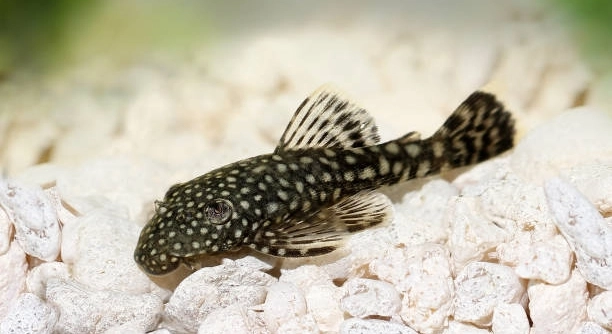
Are your plecos growing slower than expected, leaving you unsure of what might be affecting their progress in the tank? Many aquarium owners face similar challenges when it comes to their pleco’s development and overall health.
Plecos often experience slow growth due to poor tank conditions such as inadequate water quality, insufficient space, and improper diet. These factors limit their development and may also weaken their immune systems, hindering healthy and consistent growth over time.
Understanding what slows your pleco’s growth can help you make simple changes that promote a healthier, more active fish in your aquarium.
Poor Water Quality
When your pleco’s water conditions are unstable, its growth can slow down noticeably. Dirty or poorly filtered water causes stress, which weakens the immune system and affects appetite. Ammonia and nitrite spikes are especially harmful and can cause permanent damage if left unchecked. Plecos thrive in clean, well-oxygenated water, so regular maintenance is key. Weekly water changes of about 25–30% help keep toxins low. Testing the water frequently for ammonia, nitrites, and nitrates ensures it remains safe. Maintaining a stable temperature between 74°F and 80°F also helps them stay active and comfortable. Clean water supports healthy skin, fins, and internal systems, all essential for steady growth.
A good filtration system helps remove waste while keeping oxygen levels high. When water conditions are right, plecos eat better, stay more active, and grow consistently without unnecessary stress.
Plecos are sensitive creatures that depend on balance. Keeping the water clean not only supports growth but also prevents diseases that could slow it further. Avoid overfeeding to reduce waste buildup, and remove uneaten food promptly. Adding live plants or natural hiding spots also helps stabilize the environment by improving water quality and providing comfort. A stable and clean tank allows plecos to reach their full size naturally without complications or interruptions.
Limited Tank Space
Small tanks can greatly restrict a pleco’s growth. When space is limited, movement becomes difficult, and waste accumulates faster, making water conditions harder to maintain. Larger tanks provide better filtration, cleaner water, and more room to explore.
Plecos grow based on the space available to them, so providing an appropriately sized tank is essential. A common mistake is housing them in small aquariums that cannot handle their eventual size or bio-load. Most pleco species require at least 75 gallons once mature. In smaller environments, they may become stunted and more prone to stress. Limited space also reduces access to hiding spots, making them feel unsafe and less active. Regularly upgrading their tank as they grow prevents overcrowding and ensures consistent development. Proper tank size gives them the comfort and security needed to thrive, keeping them healthy and allowing natural growth patterns to continue without restriction.
Inadequate Diet
Plecos need more than just algae to grow properly. A poor diet lacking in variety and nutrition can slow their development and weaken their immune system, leading to stunted growth and dull coloration over time.
Feeding them only algae wafers or leftover scraps from other fish isn’t enough. Plecos thrive on a mix of fresh vegetables like zucchini, cucumber, and spinach, along with sinking pellets designed for bottom feeders. Occasional protein sources, such as shrimp or bloodworms, help meet their nutritional needs. A balanced diet ensures they get essential nutrients for muscle and tissue development. Feeding them consistently at night, when they are most active, also helps improve intake and digestion.
Overfeeding should be avoided, as leftover food can pollute the tank. Offer small portions that can be eaten within a few hours. Rotating their diet keeps them interested and prevents nutritional deficiencies that could slow their overall growth and energy.
Low Oxygen Levels
Low oxygen levels make it harder for plecos to breathe and metabolize food properly. When oxygen is limited, they become sluggish, eat less, and grow more slowly due to the lack of energy and proper cellular function.
Good water movement and aeration are essential to maintaining oxygen balance in the tank. Using air stones, powerheads, or surface agitators helps increase oxygen levels. Live plants also contribute during the day by releasing oxygen. Regular maintenance, including cleaning the filter and removing debris, ensures proper water flow. Warm water holds less oxygen, so keeping the temperature within the recommended range helps prevent depletion. A well-aerated tank promotes better health and growth by supporting normal respiratory activity.
If plecos often rest near the surface, it’s a sign of low oxygen. Taking quick action to improve water circulation or add aeration equipment can make a big difference. A consistent oxygen supply keeps them active, helps digestion, and promotes steady, natural growth without unnecessary stress.
Incorrect Water Temperature
Water temperature plays a major role in a pleco’s metabolism and growth. When the water is too cold, their metabolism slows, causing reduced appetite and sluggish behavior that limits growth and weakens their immune system over time.
Maintaining a stable temperature between 74°F and 80°F supports steady growth and overall health. Sudden fluctuations can cause stress and slow development. Using a reliable aquarium heater and thermometer ensures consistency. Regularly checking for temperature changes, especially during seasonal shifts, helps prevent temperature shock that could harm your pleco.
Poor Lighting Conditions
Inadequate or excessive lighting can affect pleco activity and stress levels. While plecos prefer dim environments, they still need a natural day-night rhythm to regulate feeding and resting patterns properly. Using a timer helps maintain a balanced light cycle without overexposure or darkness that disrupts their routine.
Overcrowded Tank
Too many fish in one tank can restrict movement, create competition for food, and lead to frequent stress. Plecos require personal space to feed, rest, and grow comfortably without constantly competing with others for territory or oxygen.
FAQ
Why is my pleco not growing even though I feed it regularly?
Feeding alone doesn’t guarantee proper growth. Plecos need a balanced diet, clean water, and enough space to develop naturally. Even if food is provided daily, poor water conditions or lack of nutrients can slow growth. Ensure the diet includes fresh vegetables, protein sources, and sinking pellets specifically made for plecos. Check the tank parameters often, and make sure the temperature, oxygen, and filtration levels are appropriate. Growth usually improves once these key factors are balanced and maintained consistently.
Can small tanks cause permanent stunted growth in plecos?
Yes, small tanks can permanently stunt a pleco’s growth. When confined to tight spaces, their bodies adapt to limited room, causing restricted development. This condition cannot always be reversed, even if moved to a larger tank later. Plecos need enough space to swim and explore comfortably. For common species like the Bristlenose or Common Pleco, tanks of 75 gallons or more are ideal. The extra space helps maintain water quality and gives them room to move freely, which promotes natural growth and behavior.
How often should I clean the tank to support pleco growth?
Regular cleaning is essential for maintaining water quality. Weekly partial water changes of 25–30% help remove toxins that slow growth. Avoid completely replacing all water at once, as it disrupts the tank’s balance. Clean the substrate gently and remove uneaten food or waste. Keeping filters clean ensures steady oxygen flow and healthy bacteria growth. Stable water quality supports a strong immune system and encourages your pleco to stay active and grow consistently.
Do plecos grow faster in warmer water?
Warmer water can slightly increase metabolism, but too much heat reduces oxygen and causes stress. Plecos grow best between 74°F and 80°F, where metabolism and oxygen levels stay balanced. Extreme warmth can make them lethargic or cause breathing difficulties. Keeping the temperature stable within the safe range helps ensure steady growth without health risks. Always monitor with a reliable thermometer to avoid fluctuations that could harm your fish’s development.
What foods help plecos grow faster?
A mix of fresh vegetables, algae wafers, and protein-rich foods supports healthy growth. Zucchini, cucumber, spinach, and peas are great plant options. Supplementing with shrimp, bloodworms, or specially formulated pellets adds necessary proteins. Feeding them at night matches their natural feeding habits. Avoid processed or low-quality foods that add waste without nutrition. A balanced diet ensures steady growth and helps maintain their color and energy levels.
Can poor lighting really affect pleco growth?
Yes, lighting impacts stress and feeding behavior. Plecos are nocturnal, but they still benefit from a consistent day-night cycle. Excessive lighting can make them hide constantly, while complete darkness may disrupt feeding. Using a soft light and maintaining around 8–10 hours of light daily helps keep them active and calm. This consistency promotes regular eating habits, which directly supports healthy growth.
Why is my pleco staying near the surface of the water?
Plecos often rise to the surface when oxygen levels are low. This can be caused by poor water circulation, clogged filters, or excessive heat reducing oxygen content. Add air stones or adjust filters to improve water movement. Increasing aeration helps them breathe comfortably and restores normal activity. Once oxygen levels stabilize, plecos return to the bottom and show better appetite and growth.
Can stress slow a pleco’s growth?
Yes, stress significantly affects growth. Factors like overcrowding, sudden temperature changes, and poor water conditions can all cause stress responses. When stressed, plecos eat less and use energy for survival instead of growth. Providing hiding spots, consistent maintenance, and calm surroundings helps reduce stress. Stable environments promote faster recovery and better growth.
Do plecos stop growing at a certain age?
Plecos grow throughout most of their lives but slow down as they mature. The rate depends on species, diet, and environment. Common Plecos can reach up to 18 inches, while Bristlenose Plecos stay smaller. Once they reach maturity, growth slows naturally but doesn’t stop completely. Keeping tank conditions ideal ensures they remain healthy and continue developing slowly over time.
Can overfeeding harm my pleco’s growth?
Yes, overfeeding can be harmful. Excess food decomposes, increasing ammonia and nitrate levels, which degrade water quality and stress the fish. Plecos are slow eaters, so it’s best to feed small portions they can finish within a few hours. Maintaining clean conditions prevents bloating and digestive problems, helping your pleco grow steadily and stay healthy.
Final Thoughts
Caring for plecos goes beyond simply feeding them or changing their water occasionally. These fish are hardy but sensitive to their surroundings, and their growth depends greatly on the balance of many small factors. When their environment is stable, they grow steadily and show more natural behavior. Each pleco species may have its own needs, but all thrive in clean, spacious tanks with the right temperature, oxygen levels, and food variety. Overlooking even one of these aspects can lead to stunted growth, stress, or illness. Creating a suitable space for them is not only about helping them grow faster but also ensuring they live long, healthy lives.
Maintaining consistency is one of the most important habits in pleco care. Sudden changes in temperature, lighting, or diet can easily disrupt their routine and cause setbacks. Clean water is always the foundation of growth, but other details, like proper tank mates and hiding spots, also make a difference. Plecos are peaceful and prefer calm environments without too much competition or disturbance. Regularly observing their behavior helps spot early signs of stress or poor health. Simple habits such as testing the water weekly, offering varied foods, and adjusting the tank setup as they mature will go a long way. Growth is not always immediate, but steady improvements are a sign that conditions are right.
Helping plecos reach their full potential requires patience and care. They grow slowly, but each stage reflects the effort you put into their environment. Over time, a well-maintained tank becomes a stable ecosystem where your pleco can thrive naturally. Paying attention to details—like maintaining oxygen levels, cleaning filters, and keeping the temperature steady—creates an environment that supports both growth and well-being. Remember that no single factor determines success; it’s the combination of good maintenance, a healthy diet, and a stable environment that truly makes the difference. When given proper care, plecos can live for many years, rewarding you with their peaceful presence and fascinating behavior. In the end, understanding their needs and adjusting your care routine as they grow will help you enjoy their quiet strength and ensure they stay healthy and strong throughout their lives.

Hello,
If you enjoy the content that we create, please consider saying a "Thank You!" by leaving a tip.
Every little bit helps us continue crafting quality advice that supports the health, happiness, and well-being of pets around the world, for pets of all shapes, sizes, and species.
We really appreciate the kindness and support that you show us!