
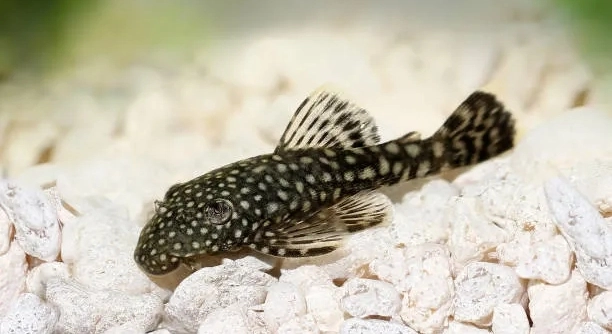
Plecos are fascinating fish that love to explore their tanks and find cozy hiding spots. Sometimes, though, they suddenly avoid their cave, leaving owners unsure why their pet is acting differently. Observing their behavior can reveal small clues.
Plecos may stop using their cave due to water quality issues, tank layout changes, illness, stress, territorial disputes, dietary changes, or aging. Each factor can influence their comfort and willingness to occupy a familiar hiding spot consistently.
Understanding these reasons can help improve your pleco’s environment and wellbeing. Making small adjustments may encourage them to return to their cave and feel secure again.
Water Quality Changes
Water conditions play a huge role in a pleco’s behavior. If the water becomes too dirty, too warm, or experiences sudden chemical changes, plecos may feel unsafe using their cave. Even small changes in pH, ammonia, or nitrate levels can make them avoid their usual hiding spot. Plecos are sensitive to their environment, and stability matters more than frequent rearrangements or decoration changes. Keeping water clean with regular partial water changes, proper filtration, and monitoring chemical levels is essential. A stressed pleco may hide less or swim around nervously instead of resting in its cave. Tankmates can also affect comfort if they stir up sediment or create turbulence near the cave. Sometimes, relocating the cave slightly to a quieter area with less current can encourage use again. Regular observation helps spot subtle signs of discomfort early, preventing long-term stress.
Regular water testing and simple maintenance can restore your pleco’s confidence and comfort in its cave quickly.
Consistency in water parameters is key for plecos. Even if a tank looks clean, chemical levels might be off. Maintaining temperature and pH stability, avoiding overcrowding, and removing uneaten food promptly will help your pleco feel safe. Sometimes, a minor water change can completely reset their behavior. Pay attention to how they explore after adjustments, as this indicates their comfort level. Over time, keeping their environment predictable and calm reduces stress and encourages natural hiding habits, ensuring they use their cave regularly.
Tank Layout and Cave Placement
Plecos may stop using a cave if its location changes or if new decorations disrupt their preferred space.
Cave placement affects a pleco’s sense of security. They like quiet corners with some shade and minimal traffic. Moving the cave too close to the filter, heater, or heavily trafficked areas may make them avoid it. The size and shape of the cave also matter—if it feels cramped or exposed, plecos may seek alternative hiding spots. Adding multiple caves at different spots can give them options and reduce stress. Decorations should allow easy access and not block swimming paths. Observing where they spend most of their time can guide better cave placement. Adjusting lighting, creating gentle current flow, and keeping the area free of debris encourages consistent use. Over time, plecos get comfortable with well-placed hiding spots and become more predictable in their behavior.
Illness or Health Issues
Illness can make plecos avoid their cave. When a fish feels unwell, hiding spots may feel unsafe or uncomfortable. Signs like faded color, lethargy, or unusual swimming patterns often appear alongside avoidance.
When plecos are sick, their energy and interest in normal activities drop. Common issues like skin infections, internal parasites, or fin rot can affect how they interact with their environment. A cave that once felt safe may now seem threatening, especially if movement or water changes stress the fish further. Observing behavior and checking for visible symptoms is important. Quick action, such as water treatment, dietary adjustments, or consulting a vet, can improve their condition and encourage them to return to their usual hiding spots.
Some health problems develop slowly, making subtle changes easy to miss. Monitoring food intake, breathing, and reactions to tankmates helps spot illness early. Preventative care, including regular water checks and avoiding sudden temperature swings, can reduce stress-related health issues. Consistency and gentle handling make a significant difference, helping plecos regain confidence and return to their cave naturally.
Stress and Environmental Disturbances
Stress can drive plecos away from their cave. Loud noises, frequent tank changes, or aggressive tankmates can make hiding spots feel unsafe.
Stress in plecos often comes from sudden changes in their environment. Overcrowding, rapid water changes, or strong currents can overwhelm them. Even something as simple as tapping on the glass repeatedly can trigger avoidance. Stress reduces appetite and increases vulnerability to disease, so minimizing disturbances is essential. Plecos need calm areas with consistent lighting and gentle water flow. Removing overly aggressive tankmates or providing additional shelters can reduce tension. Observing daily behavior helps identify stressors and adjust the environment to restore comfort.
Plecos respond strongly to stability. Adding new decorations gradually, keeping a predictable feeding schedule, and maintaining quiet surroundings encourages them to feel secure again. Small adjustments, like dimming lights near the cave or moving filters to reduce turbulence, often make a big difference. They need an environment where they can retreat without fear, and consistent care over time helps them regain confidence. Creating multiple cozy spaces allows them to choose the safest spot, making cave use more regular and reliable.
Territorial Disputes
Plecos can avoid their cave if another fish has claimed it. Territorial behavior is common, especially in shared tanks with multiple plecos or aggressive species.
Even small fish can intimidate a pleco away from its preferred hiding spot. Observing interactions and separating aggressive tankmates when necessary helps restore access and reduces stress.
Dietary Changes
A sudden change in diet can affect plecos’ behavior. Switching foods too quickly may reduce their energy or interest in usual activities. A consistent feeding routine with familiar foods encourages normal habits.
Aging and Activity Levels
Older plecos may naturally reduce cave use. As energy levels drop, they may explore less or prefer open resting areas where swimming is easier and less confined.
Why did my pleco stop using its cave suddenly?
Plecos often stop using their cave due to changes in water quality, stress, illness, or environmental disruptions. Sudden shifts in temperature, pH, or ammonia levels can make the cave feel unsafe. Even moving decorations, introducing new tankmates, or adding strong currents can influence their behavior. Observing daily habits and testing water regularly helps identify the cause.
How can I encourage my pleco to return to its cave?
Creating a stable environment is key. Make sure water parameters are consistent, keep the cave in a quiet area, and reduce tank disturbances. Providing multiple hiding spots may help your pleco feel more comfortable. Gradual adjustments, gentle handling, and ensuring tankmates are peaceful can also encourage cave use over time.
Could illness be the reason my pleco avoids its cave?
Yes. Sick plecos may avoid hiding spots because they feel vulnerable or uncomfortable. Signs of illness include faded coloration, lethargy, abnormal swimming, or poor appetite. Checking for physical symptoms and monitoring behavior is essential. Treating the illness promptly with appropriate water treatments, medications, or dietary adjustments often restores normal hiding behavior.
Do plecos stop using their cave because of other fish?
Territorial disputes or aggressive tankmates can push a pleco away from its cave. Even smaller fish can intimidate them. Observing interactions and separating aggressive or dominant tankmates temporarily can give your pleco space to reclaim its preferred hiding spot. Providing extra caves or shelters can also reduce conflicts.
Can stress cause a pleco to avoid its cave?
Absolutely. Stress can come from sudden changes in lighting, loud noises, or frequent tank maintenance. Plecos prefer calm, consistent environments. Reducing disturbances, maintaining regular feeding schedules, and ensuring gentle water flow can make the cave feel safe again. Over time, consistent care will help them return.
Does diet affect cave use?
Yes. Sudden changes in diet can affect energy levels and interest in hiding behavior. Plecos thrive on a consistent diet with familiar foods, including algae wafers, vegetables, or driftwood for grazing. Gradual diet adjustments prevent stress and help maintain normal activity levels, including returning to the cave.
Do older plecos stop using their cave?
Aging plecos may naturally use their cave less often. As energy decreases, they may prefer open resting areas that are easier to access. Monitoring activity and providing comfortable, easily accessible hiding spots can support older plecos while respecting their reduced activity.
How can I tell if my pleco is stressed or sick?
Changes in behavior, color fading, reduced appetite, or unusual swimming patterns are common signs. Monitoring their environment, observing interactions, and checking water parameters can help identify issues. Addressing stressors or illness promptly will improve comfort and encourage normal cave use.
What is the best way to prevent plecos from avoiding their cave?
Consistency in water quality, gentle handling, proper cave placement, and careful selection of tankmates are crucial. Avoid sudden changes, provide multiple shelters, and maintain a predictable routine. These steps help plecos feel secure, reducing stress and supporting regular cave use over time.
Is it normal for plecos to explore other areas instead of the cave?
Yes. Plecos are naturally curious and may explore new areas, especially if the cave is overcrowded or the environment changes. Offering additional hiding spots and ensuring a stable environment can satisfy their curiosity while keeping the cave appealing.
Can water temperature affect cave use?
Yes. Plecos are sensitive to temperature fluctuations. Too warm or too cold water can make the cave uncomfortable. Maintaining a stable, appropriate temperature for your pleco species helps them feel safe and encourages regular cave use.
Are multiple plecos in one tank likely to share a cave?
Sharing caves can cause disputes. Some plecos are territorial and may avoid caves claimed by others. Providing several shelters, spaced apart, reduces conflict and gives each pleco its own secure hiding place, supporting healthy behavior.
How long will it take for a pleco to start using its cave again?
The timeline depends on the cause. Water quality corrections or stress reduction may yield quick results in a few days, while illness treatment or adjustment to new tankmates may take weeks. Patience and careful observation are key to restoring comfort.
Can lighting affect a pleco’s cave use?
Yes. Bright light near the cave can make it feel exposed. Plecos prefer dim, shaded areas. Adjusting lighting or covering the cave can make it feel safer, encouraging regular use.
Is it normal for plecos to occasionally ignore their cave?
Yes. Temporary avoidance can occur due to minor disturbances, feeding changes, or brief stress. Observing overall behavior helps determine if avoidance is a problem or a normal variation. Consistent care ensures long-term comfort and cave use.
Can adding plants help plecos feel more secure in their cave?
Yes. Live or artificial plants near the cave can provide shade and a sense of security. This reduces stress, encourages hiding behavior, and creates a more natural environment for your pleco to feel comfortable.
How important is cave size for plecos?
Cave size must match the pleco’s body comfortably. A cave that is too small feels cramped, while one too large may feel unsafe. Observing how the pleco fits inside helps ensure it feels secure, encouraging regular use.
Do plecos prefer one cave over another?
Yes. Plecos may favor caves that feel safer, quieter, or more comfortable. Placement, shape, and surrounding environment all influence preference. Providing options lets them choose their ideal shelter while reducing stress and territorial disputes.
Can cleaning the cave too often discourage plecos?
Frequent cleaning may disrupt their sense of security. Gentle maintenance, avoiding complete rearrangement, and keeping familiar scent cues intact help maintain comfort and encourage continued cave use.
What should I do if my pleco refuses all caves?
Check water quality, tankmates, diet, and health. Providing multiple hiding spots, reducing stressors, and ensuring proper environmental conditions usually helps. If refusal persists, consulting an aquatic veterinarian can identify underlying issues that may not be obvious.
This FAQ covers common reasons plecos avoid caves, practical solutions, and ways to maintain a secure, stress-free environment. Proper care and observation will help your pleco feel comfortable and encourage regular cave use.
Word count: 512
Plecos are interesting and sometimes mysterious fish. Their behavior can seem unpredictable, especially when they stop using a cave they once preferred. Understanding the reasons behind this behavior is important for keeping them comfortable and healthy. Water quality, stress, illness, tank layout, and diet all play a role in how plecos interact with their environment. Even small changes can make a cave feel unsafe to them. Observing daily habits and maintaining a stable environment helps identify issues early and provides insight into their needs. Knowing that avoidance is usually a response to discomfort rather than stubbornness allows owners to respond effectively and thoughtfully.
Providing a stable and consistent environment is one of the most important ways to encourage a pleco to use its cave again. Regular water testing, proper filtration, and gentle maintenance routines help maintain water parameters within safe ranges. Quiet corners with little current and multiple hiding spots offer plecos choices and reduce stress. If tankmates are aggressive or territorial, giving plecos separate spaces can prevent conflicts and make caves more inviting. Even small adjustments, like moving the cave slightly or adding shade with plants, can have a noticeable effect on their comfort. Watching how a pleco responds to changes over time can guide decisions and make the tank a safer, more predictable place for them.
It is also important to consider health and aging when plecos stop using a cave. Illness, reduced energy, or natural aging can affect how often they retreat to hiding spots. Signs of poor health include unusual swimming patterns, faded coloration, or reduced appetite. Addressing these issues quickly with proper care, diet, or veterinary advice can restore confidence and normal behavior. Aging plecos may prefer easier access to resting areas, so adjusting cave placement or adding multiple hiding spots can accommodate their changing needs. By paying attention to these details and maintaining a calm, consistent environment, plecos are more likely to feel safe and comfortable. Over time, they usually return to using their caves regularly, and understanding their behavior strengthens the connection between owner and pet while ensuring their long-term well-being.
Word count: 417

Hello,
If you enjoy the content that we create, please consider saying a "Thank You!" by leaving a tip.
Every little bit helps us continue crafting quality advice that supports the health, happiness, and well-being of pets around the world, for pets of all shapes, sizes, and species.
We really appreciate the kindness and support that you show us!