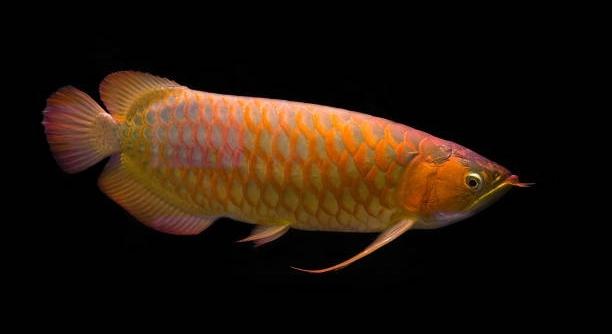
7 Lighting Tricks That Make Arowana More Visible
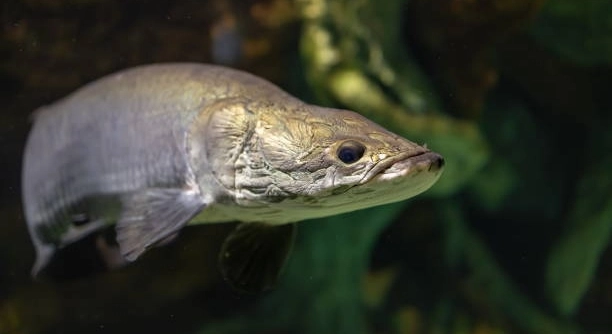
Do you ever find yourself struggling to see your Arowana clearly in your aquarium? Many fish owners notice that these beautiful creatures can sometimes appear dull or hidden despite their vibrant colors and graceful movements. Proper lighting is essential for making Arowana more visible and enhancing their natural colors. Using a combination of overhead, side, … Read more
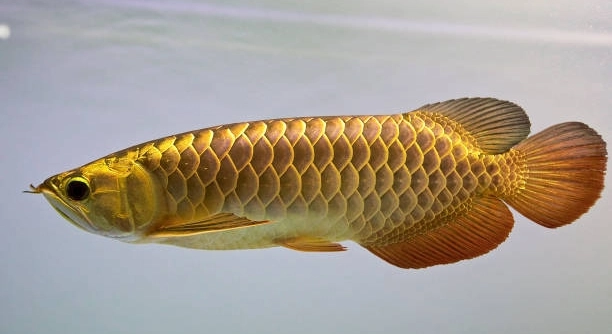
7 Signs of Parasites in Arowana (+Treatment Tips)

Have you ever noticed your arowana behaving differently, swimming slowly, or losing its usual shine? Many fish owners face this issue and often don’t realize parasites could be the cause of these sudden changes. Parasites in arowanas can present through various signs, including clamped fins, visible spots, loss of appetite, rapid breathing, skin irritation, erratic … Read more

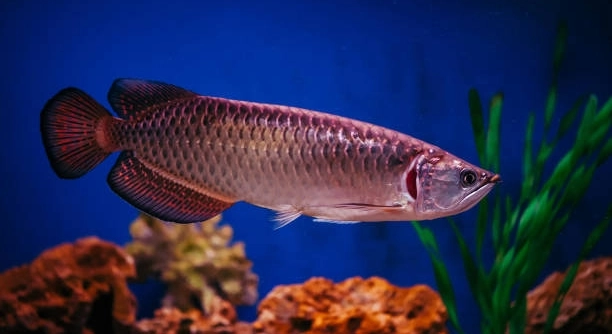
Should You Quarantine a New Arowana?

Have you ever brought home a new arowana and felt unsure about the best way to introduce it to your tank? Arowanas are striking fish that require careful attention to thrive. Their health depends on proper care and preparation. Quarantining a new arowana before adding it to your main tank is essential. This practice helps … Read more

Should You Keep the Same Tank Layout for Years?

Are your aquarium plants and decorations arranged just the way you like them? Many hobbyists find comfort in a familiar tank setup, enjoying the balance of colors and textures that they have carefully created over time. Keeping the same tank layout for years can be beneficial for stability and the health of aquatic life. Consistent … Read more

What to Do If Arowana Won’t Stop Jumping

Paragraph 1:Are your arowanas constantly leaping out of the water, leaving you worried about their safety and the condition of your tank? Jumping is a common behavior, but it can signal stress, hunger, or environmental issues. Paragraph 2 (bold):The primary method to stop an arowana from jumping is to improve tank conditions. Providing a secure … Read more

7 Questions to Ask Before Buying an Arowana

Have you ever considered keeping an Arowana but felt unsure about where to start? These striking fish can bring beauty and presence to a home, yet they require careful planning and attention to thrive. Before purchasing an Arowana, it is essential to evaluate tank size, water quality, diet, lifespan, species compatibility, legal restrictions, and budget. … Read more

Why Is My Arowana Biting Its Tail?

Is your arowana showing unusual behavior by biting its tail? Observing this can be worrying, especially if you care about your fish’s well-being. Many fish owners notice this behavior and wonder what might be causing it. Tail biting in arowanas is often linked to stress, poor water quality, or underlying health issues. Overcrowding, lack of … Read more

What Role Does Temperature Play in Arowana Behavior?

Have you ever noticed changes in your arowana’s behavior and wondered if temperature might be the reason behind those subtle shifts in movement or appetite? Temperature plays a significant role in arowana behavior by influencing their metabolism, feeding habits, and overall activity levels. Warmer water temperatures can increase metabolism and aggression, while cooler temperatures may … Read more

7 Sound Frequencies That May Affect Arowana

Have you ever noticed your arowana behaving oddly when certain sounds are present around its tank, leaving you wondering if sound frequencies might play a role in its mood or movement? Sound frequencies can significantly influence arowana behavior and well-being. Studies suggest that certain frequencies may induce stress or agitation, while others promote calmness and … Read more

7 Unusual Behaviors That Are Totally Normal

Many people notice small habits in themselves that seem unusual or even embarrassing. From tapping your fingers to talking to yourself, these behaviors often feel strange but are surprisingly common in daily life. Unusual behaviors, though sometimes perceived as odd, are typically normal variations of human habits. They can serve emotional, cognitive, or social functions, … Read more