
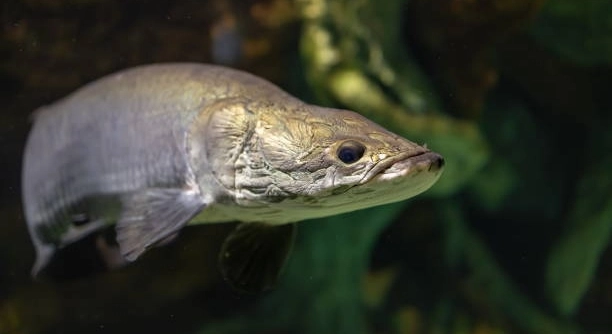
Do you ever find yourself struggling to see your Arowana clearly in your aquarium? Many fish owners notice that these beautiful creatures can sometimes appear dull or hidden despite their vibrant colors and graceful movements.
Proper lighting is essential for making Arowana more visible and enhancing their natural colors. Using a combination of overhead, side, and ambient lights can reduce shadows, highlight scales, and create a balanced environment that ensures the fish stands out in its tank.
Implementing the right lighting strategies can completely transform your aquarium view and make your Arowana the centerpiece it deserves to be.
Choosing the Right Light Type
Selecting the correct light type is crucial for making your Arowana stand out. LED lights are a popular choice because they provide bright illumination while using minimal energy. They also generate less heat, which helps maintain a stable water temperature. Fluorescent lights are another option and can enhance the natural colors of your fish, though they may need more frequent replacement. The color temperature of the light is equally important; a slightly cooler light can bring out silvery and metallic hues, while warmer tones highlight reds and golds. Consider a combination of lighting layers to avoid harsh shadows and create depth in the tank. The position of the lights matters as well—placing them too high or too low can reduce visibility. Experimenting with intensity and angle will help you find the perfect setup. A balanced approach ensures your Arowana appears vibrant without stressing the fish or creating glare on the tank glass.
LED and fluorescent lights provide clear, bright illumination while enhancing your Arowana’s colors effectively and safely.
Adjusting light positioning and intensity creates a more natural display. Proper placement reduces shadows and ensures the fish’s colors are fully visible throughout the day.
Using Accent and Background Lighting
Accent and background lighting can make a significant difference in how your Arowana is seen. Small LED strips along the back or sides of the aquarium can create a subtle glow that highlights the fish’s movement and scales. Background lighting adds depth to the tank, making the Arowana appear more prominent against the surroundings. Using dimmable lights allows you to adjust brightness based on the fish’s activity and the room’s natural light, which can prevent overstimulation. Colored accent lights, used sparingly, can emphasize specific hues without overwhelming the tank’s overall appearance. Integrating these lights with the main overhead source ensures a cohesive lighting environment. The effect is a more dynamic aquarium where the Arowana naturally draws attention. Careful planning of light placement avoids reflections and dark spots, allowing the fish to be visible from multiple angles, which enhances both viewing and photography opportunities.
Small LED strips enhance visibility by adding subtle highlights and depth.
Background and accent lighting work together with main lights to create a balanced, visually appealing tank environment, emphasizing the Arowana’s unique features and movement throughout the aquarium.
Positioning Lights Strategically
Proper placement of lights ensures your Arowana is always visible. Lights should be positioned to avoid harsh glare on the tank glass while minimizing shadows that can hide the fish. Layering lights at different angles often produces the best results.
Positioning lights above the tank is standard, but adding side or diagonal lights can enhance visibility further. Overhead lighting highlights the top of the fish, showing off scales and movements, while side lights reduce shadowed areas and illuminate underbellies. Diagonal placement can catch reflections and make the fish’s colors pop without stressing them. Adjusting light height and angle gradually helps avoid sudden brightness that might scare the Arowana. Trial and error is key; small adjustments can dramatically improve visibility. Observing the fish at different times of day helps determine the optimal placement for natural movement and color enhancement.
Strategic light placement also improves the aquarium’s overall aesthetic. Balanced lighting reduces dark spots, highlights plants and decorations, and ensures the Arowana remains the tank’s focus at all times.
Choosing Light Color Temperature
Selecting the right color temperature impacts how your Arowana appears. Cooler temperatures highlight silvers and metallic tones, while warmer lights emphasize gold and red hues, enhancing natural beauty in a calm, visible setting.
Cool white or daylight LEDs create a bright, crisp environment that brings out reflective scales and creates a sense of depth. Warmer tones, like soft white or amber lights, enhance reds and golds, making the fish appear more vibrant and lively. Mixing these temperatures strategically can balance the overall color effect in the aquarium. Consistent lighting schedules help maintain the fish’s natural rhythm and prevent stress caused by abrupt changes. Adjustable lighting setups let you switch between color temperatures to highlight the Arowana differently depending on time of day or display preference.
Balancing color temperature also affects plant growth and tank aesthetics. Cooler lights support green foliage while warmer lights enhance décor and water clarity, creating a visually appealing environment that complements the Arowana’s presence.
Using Reflective Surfaces
Placing reflective surfaces inside or behind the tank can enhance your Arowana’s visibility. Mirrors or shiny backgrounds reflect light, making the fish appear brighter and more prominent against the tank’s interior.
Reflections also create a sense of depth, emphasizing movement. Subtle use avoids overstimulation while highlighting colors naturally.
Adjustable Lighting Systems
Adjustable lighting systems allow you to control brightness and angle based on your Arowana’s activity. Dimmable LEDs or multi-level setups provide flexibility to enhance visibility without stressing the fish. Gradual changes mimic natural light patterns, promoting healthy behavior while keeping the fish visible at all times.
Highlighting Key Areas
Focus lights on areas where your Arowana frequently swims. Strategic spotlighting ensures the fish’s colors and movements are easily noticed, creating a lively and visually appealing tank display.
FAQ
How often should I adjust my aquarium lighting for my Arowana?
Lighting should be adjusted gradually rather than changed abruptly. Most Arowanas thrive with a consistent daily light cycle, typically 8–10 hours. Adjust brightness or angle every few days if needed to enhance visibility or highlight colors, while monitoring the fish’s behavior for signs of stress.
Can I use colored lights to make my Arowana more visible?
Yes, colored lights can emphasize certain hues of your Arowana, but they should be used sparingly. Warm tones highlight reds and golds, while cooler tones bring out silvers and metallic scales. Avoid strong or flashing colors, as they may stress the fish and disrupt natural behavior.
Do overhead lights alone make Arowanas look their best?
Overhead lights are necessary, but they aren’t enough by themselves. Combining them with side, diagonal, or background lights reduces shadows and enhances depth. Layered lighting ensures your Arowana’s scales and movements are visible from multiple angles throughout the day.
Will reflective backgrounds stress my Arowana?
Reflective backgrounds can be helpful if used correctly. They enhance brightness and depth without disturbing the fish. Avoid placing mirrors directly where the fish may perceive a rival Arowana, as this can trigger aggression or anxiety. Subtle reflections are safer and effective for visibility.
Is it better to use LEDs or fluorescent lights for visibility?
LEDs are preferred due to their brightness, energy efficiency, and minimal heat production. Fluorescent lights work as well but require more frequent replacement. Both can highlight colors effectively, but LED systems often allow for adjustable brightness and color temperature, giving more control over visibility.
Should I change the light angle depending on the time of day?
Yes, adjusting angles to match natural light patterns can create a more comfortable environment. Morning and evening light angles can mimic the sun, reducing shadows and enhancing visibility naturally. Gradual changes are better than sudden shifts to avoid stressing the Arowana.
Can too much light harm my Arowana?
Excessive brightness can cause stress and even affect sleep patterns. Too strong or prolonged light may lead to fading colors or hiding behavior. Use dimmable lights or timers to ensure a balanced day-night cycle and prevent overstimulation.
How does tank size affect lighting choices?
Larger tanks may require multiple light sources or higher-intensity lighting to ensure visibility throughout the aquarium. Smaller tanks can often be brightened with a single adjustable light, but placement is key to avoid glare and dark spots.
Are timers necessary for Arowana lighting?
Timers are very helpful to maintain a consistent light schedule, which supports the fish’s natural rhythm. Automated cycles prevent overexposure and ensure lights turn on and off at the same time daily, helping colors remain vibrant and behavior stable.
How do I highlight an Arowana’s natural colors without stressing it?
Use a mix of overhead and accent lights at moderate intensity. Combine warm and cool tones to emphasize reds, golds, and metallic shades. Gradual adjustments, consistent schedules, and careful monitoring of behavior help highlight colors effectively without causing stress.
Can plants and decorations affect Arowana visibility?
Yes, dense plants or dark decorations may create shadows that hide your fish. Position lights to illuminate open swimming areas and use reflective or light-colored backgrounds to offset darker décor, making the Arowana more prominent.
What is the ideal color temperature for visibility?
A balanced approach works best. Cool white lights (around 6500K) bring out silver and metallic tones, while warmer lights (3000–4000K) enhance golds and reds. Using a combination or adjustable system allows customization for the most natural and vibrant display.
Is it necessary to monitor Arowana behavior under new lighting?
Absolutely. Always watch for signs of stress, such as hiding, erratic swimming, or faded colors. Gradual adjustments, proper angles, and consistent schedules help ensure lighting improves visibility without negatively impacting the fish’s health or comfort.
Can I use multiple light sources at once?
Yes, layering lights is often the most effective way to enhance visibility. Overhead, side, and accent lights create depth, highlight movement, and reduce shadows. Careful positioning and intensity adjustment prevent glare while ensuring the Arowana remains the focal point of the tank.
Do light reflections help in small tanks?
Reflections can make small tanks appear deeper and highlight your Arowana’s colors. Place reflective surfaces behind or under the tank, but avoid direct mirrors that may create stress. Subtle reflections enhance visibility without disturbing the fish.
How long does it take to see results after adjusting lighting?
Visible improvements usually appear within a few days to a week. Gradual changes allow the Arowana to acclimate, reducing stress while making colors and movements more noticeable. Continuous observation helps fine-tune placement, intensity, and color for the best results.
Can lighting improve photography of my Arowana?
Yes, proper lighting enhances color, depth, and clarity in photos. Overhead and accent lights combined with subtle reflections create natural highlights and reduce shadows, making it easier to capture the fish’s beauty without causing stress or glare.
Is natural sunlight helpful for Arowana visibility?
Indirect natural sunlight can complement aquarium lighting but direct sunlight may cause overheating or algae growth. Position the tank away from strong sunlight and rely on controlled artificial lighting for consistent visibility and fish health.
Are timers and dimmers enough to mimic natural light patterns?
Timers and dimmers allow gradual increases and decreases in brightness, simulating sunrise and sunset. This approach helps maintain natural rhythms, reduces stress, and keeps your Arowana visible while promoting healthy behavior and vibrant colors.
Can lighting adjustments improve an Arowana’s overall behavior?
Yes, proper lighting supports natural activity patterns, encouraging swimming in visible areas and reducing hiding. Balanced intensity, color temperature, and placement create a comfortable environment that showcases the fish while promoting calm and healthy behavior.
What should I avoid when setting up lighting for my Arowana?
Avoid sudden bright lights, overly strong colored LEDs, and placing mirrors in ways that provoke aggression. Ensure shadows are minimized and gradual adjustments are made. Proper planning keeps the fish comfortable while maximizing visibility and enhancing the tank’s appearance.
How do I combine all lighting techniques effectively?
Use a main overhead light for overall illumination, side or accent lights for depth, and subtle reflective backgrounds. Adjust brightness, angles, and color temperature gradually, monitor behavior, and maintain consistent schedules to highlight your Arowana’s colors safely and effectively.
Can nighttime lighting benefit visibility?
Nighttime lighting, such as moonlights or very dim LEDs, can allow observation without disturbing sleep. It highlights subtle movements and reflective scales without stressing the Arowana, creating a gentle, aesthetically pleasing nighttime display.
Does water clarity affect how lighting works?
Yes, clean, clear water allows light to penetrate effectively, highlighting the Arowana’s colors and movement. Regular maintenance and filtration reduce cloudiness, ensuring that all lighting adjustments produce visible and vibrant results.
Are there specific brands or types of lights recommended?
High-quality LED aquarium lights with adjustable brightness and color temperature are ideal. Reliable brands ensure consistent output, durability, and proper spectrum, which helps maintain visibility and fish health without frequent replacements or fluctuations in lighting.
Is it safe to combine natural and artificial light?
Yes, but balance is key. Use indirect sunlight with controlled artificial lighting to prevent overheating, algae growth, and stress. Gradual transitions and monitoring ensure the Arowana remains comfortable while appearing bright and visible.
How do I know if my lighting setup is effective?
Observe your Arowana’s colors, swimming patterns, and activity. A well-lit tank should show vibrant scales, minimal shadows, and natural behavior. Adjust angles, intensity, and color temperature as needed to maintain visibility while supporting fish health.
Can lighting affect water temperature?
Some lights, especially high-intensity fluorescents, can raise water temperature. LEDs produce minimal heat, making them safer for temperature-sensitive Arowanas. Monitor water temperature and adjust lighting or use cooling equipment to maintain a stable environment.
What is the most common mistake in Arowana lighting?
Overly bright lights, improper angles, or inconsistent schedules often reduce visibility or stress the fish. Layered, adjustable, and gradual lighting adjustments paired with reflective surfaces typically produce the best results for both aesthetics and fish well-being.
How often should I clean my lights and reflectors?
Regular cleaning ensures maximum brightness and prevents buildup that can reduce effectiveness. Dust, water stains, or algae can diminish visibility, so wipe lights and reflective surfaces periodically to maintain consistent illumination and highlight your Arowana.
Can lighting enhance an Arowana’s natural behavior?
Yes, proper lighting encourages active swimming, feeding, and display of natural colors. Balanced schedules, intensity, and placement support mental and physical health while making the fish more visible and visually appealing within the aquarium.
Is it necessary to monitor long-term effects of lighting?
Continuous observation ensures your Arowana remains comfortable and vibrant. Long-term monitoring allows for fine-tuning intensity, angles, and schedules, maintaining visibility without compromising health or behavior over time.
Final Thoughts
Lighting plays a crucial role in how your Arowana appears in its tank. The right combination of intensity, color, and placement can make a significant difference in visibility and overall appeal. A balanced approach ensures that the fish’s natural colors are highlighted while maintaining a comfortable environment. Using adjustable lights, layered setups, and reflective backgrounds can enhance both movement and scale details. Gradual changes in brightness and angle help the Arowana adjust without stress. Observing the fish’s response to different lighting setups allows you to find the most effective configuration for its specific tank size and décor. Consistency is just as important as brightness, as sudden or extreme changes can negatively impact the fish’s behavior and health. Maintaining clean lights and clear water further improves visibility, ensuring that the Arowana’s features are not muted by algae, cloudiness, or dust. Combining these elements thoughtfully creates a well-lit, visually appealing tank where the Arowana can thrive and be seen clearly.
In addition to proper light placement, considering color temperature and type of lighting is essential. Cool-toned lights bring out silver and metallic shades, while warmer tones emphasize reds and golds. A mixture of these can provide a natural and vibrant look, making the fish stand out at different times of the day. LED lighting is particularly advantageous because it is energy-efficient, generates minimal heat, and often comes with adjustable brightness and color settings. Fluorescent lights can also work but may require more frequent replacement and careful positioning to avoid creating shadows or overly bright spots. Accent lighting, side lights, and subtle reflections add depth and dimension, making the Arowana the focus of the tank without overwhelming the environment. By combining these strategies, you can create a dynamic display that highlights natural colors and enhances movement, resulting in a tank that looks lively and well-balanced. The goal is to make the Arowana visible without causing stress, ensuring a healthy and comfortable habitat.
Finally, monitoring the fish’s behavior is an essential part of any lighting setup. A well-lit tank is not just about aesthetics; it also contributes to the Arowana’s overall well-being. Watch for signs of stress, such as hiding, rapid swimming, or faded colors, which may indicate that adjustments are needed. Timers and dimmers can help maintain a consistent day-night cycle, supporting natural activity patterns and reducing potential stress from sudden changes. Proper lighting also works alongside clean water, appropriate tank size, and good filtration to create a healthy environment. The combination of strategic lighting, careful observation, and ongoing maintenance ensures that your Arowana remains vibrant, active, and clearly visible. By paying attention to these details, you can enjoy a visually appealing aquarium while promoting the long-term health and happiness of your fish.

Hello,
If you enjoy the content that we create, please consider saying a "Thank You!" by leaving a tip.
Every little bit helps us continue crafting quality advice that supports the health, happiness, and well-being of pets around the world, for pets of all shapes, sizes, and species.
We really appreciate the kindness and support that you show us!