
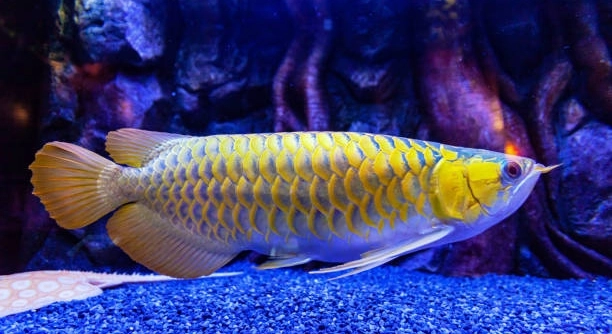
Have you ever noticed your arowana behaving differently, swimming slowly, or losing its usual shine? Many fish owners face this issue and often don’t realize parasites could be the cause of these sudden changes.
Parasites in arowanas can present through various signs, including clamped fins, visible spots, loss of appetite, rapid breathing, skin irritation, erratic swimming, and weight loss. Early detection and proper treatment are crucial to restore health and prevent further complications.
Identifying these signs early can save your arowana from prolonged discomfort and serious health problems. Understanding treatments helps ensure your fish thrives in a healthy environment.
Clamped Fins and Lethargy
Clamped fins are one of the earliest signs that your arowana might be dealing with parasites. When a fish’s fins stay close to its body instead of fanning out naturally, it often signals stress or irritation caused by internal or external parasites. Lethargy usually accompanies this, with the fish swimming less and resting at the bottom of the tank. This behavior indicates that the fish is using energy to fight off an infection rather than explore its environment. Maintaining proper water quality can help reduce stress, but if parasites are present, targeted treatment is necessary. Observing your arowana daily for subtle changes can make early detection easier. Nutritional support, such as high-quality, protein-rich food, can help the fish build resistance, but chemical or natural antiparasitic treatments are often required to fully address the issue. Quick action improves the chances of a full recovery and prevents secondary infections from developing.
Clamped fins paired with lethargy often indicate a serious health issue that needs prompt attention.
Treating this condition involves isolating the affected fish and applying antiparasitic medication according to the instructions. Regular monitoring of water parameters, such as ammonia, nitrate, and pH levels, is essential to avoid additional stress. Supporting the arowana’s immune system through a balanced diet improves recovery outcomes. Removing uneaten food and performing partial water changes keeps the tank clean and limits parasite spread. In more severe cases, consulting an aquatic veterinarian ensures the correct diagnosis and treatment. Early intervention is key, as prolonged lethargy can lead to weakened immunity, making the fish more susceptible to secondary infections and complicating the recovery process.
Visible Spots and Skin Irritation
Small spots on the scales or red patches on the skin can indicate a parasitic infection. These signs often appear before other symptoms become noticeable.
These spots result from parasites feeding on the skin or causing irritation. Some parasites are microscopic, while others may be visible as small white or red dots. Skin irritation may lead the arowana to rub against tank surfaces in an attempt to relieve discomfort. Such behavior can cause further damage, increasing the risk of bacterial infections. Identifying the type of parasite is critical, as treatments vary. Medications, salt baths, and improving water quality are common approaches. Consistent observation is important to detect spreading or worsening symptoms. Preventive measures, like quarantining new fish and maintaining optimal water conditions, reduce the likelihood of reinfection. Proper care during treatment ensures the arowana’s skin heals fully, and the scales regain their natural shine.
Would you like me to continue with the next signs and treatments section in the same format?
Loss of Appetite
Arowanas infected with parasites often eat less or refuse food entirely. This sudden change in eating habits is a clear sign that something is affecting their internal health.
Loss of appetite usually indicates internal parasites like worms or protozoa. When these parasites attach to the digestive tract, they interfere with nutrient absorption, leaving the fish weak and fatigued. It’s important to monitor how much your arowana eats daily. Even slight reductions can signal a developing problem. Nutritional support, such as high-quality pellets or live food, can encourage eating, but treatment with antiparasitic medication is often necessary to remove the underlying infection. Maintaining clean water reduces stress, which can improve appetite and overall recovery.
Treatment for appetite loss involves carefully dosing antiparasitic medication and providing easily digestible food. Monitoring the fish’s behavior and weight ensures that the treatment is effective. Partial water changes and tank cleaning prevent reinfection. In cases of severe internal infection, professional advice from an aquatic veterinarian helps select the right medication. Recovery may take several days to weeks depending on the parasite type, and patience is necessary. Ensuring the arowana eats small, frequent meals during treatment aids in regaining strength and restoring normal feeding behavior.
Rapid Breathing
Rapid breathing is a noticeable symptom when parasites irritate the gills or reduce oxygen uptake. It often appears alongside lethargy or unusual swimming patterns.
Parasites affecting the gills, such as flukes, disrupt normal respiratory function. The fish compensates by moving water over its gills more quickly, which can appear as rapid or labored breathing. Maintaining high oxygen levels in the tank through aeration or water movement helps ease stress, but the root cause must be treated. Observing for other signs like clamped fins or pale gills helps confirm a parasitic problem. Treatment typically involves medicated baths or adding anti-parasitic solutions to the water, depending on the parasite type. Early detection ensures faster recovery and prevents the infection from worsening. Proper tank hygiene and quarantine of new fish reduce the risk of further outbreaks.
Addressing rapid breathing requires a combination of environmental management and targeted medication. Ensuring water parameters are stable—temperature, pH, and ammonia levels—is essential during treatment. Isolation of the infected fish prevents parasites from spreading to other tank mates. Salt baths or medicated dips often provide immediate relief and help kill external parasites. Continuous observation is necessary to track improvement, and adjustments in medication may be needed if symptoms persist. Recovery may take time, and supporting the fish with nutritious, easy-to-digest food helps rebuild strength. Consistency in care and patience during treatment significantly improve the chances of full recovery.
Erratic Swimming
Erratic swimming is a common sign of parasites affecting your arowana. The fish may dart around suddenly, spin, or struggle to maintain balance.
These movements indicate discomfort or irritation, often caused by parasites on the skin, gills, or fins. Prompt treatment helps restore normal swimming behavior.
Weight Loss
Significant weight loss occurs when parasites interfere with digestion and nutrient absorption. Arowanas may appear thinner, with sunken bellies or reduced muscle mass. Regular monitoring of body condition is essential.
Untreated infections can weaken the fish further, making it more vulnerable to secondary infections. Ensuring proper nutrition and following antiparasitic treatment plans help your arowana regain lost weight and strength.
Skin Flashes
Skin flashing happens when arowanas rub against surfaces due to irritation. It’s a visible response to discomfort caused by parasites.
Frequent flashing can damage scales and lead to infections. Observing these behaviors early allows for timely treatment to protect your fish’s health.
What causes parasites in arowanas?
Parasites in arowanas can come from several sources, including new fish introduced to the tank without proper quarantine, live or frozen food carrying parasite eggs, and contaminated water. Poor tank hygiene or sudden changes in water parameters can also make fish more susceptible. Stress weakens the immune system, giving parasites a better chance to thrive. External parasites, such as gill flukes or skin lice, attach directly to the fish, causing irritation, rapid breathing, and flashing. Internal parasites like worms or protozoa live in the digestive tract, affecting nutrient absorption and appetite. Understanding the source of the infection is important to prevent recurrence and protect other fish in the tank.
How can I tell if my arowana has parasites?
Signs of parasites vary depending on the type and severity of the infection. Common external indicators include clamped fins, skin flashes, visible spots, and unusual swimming patterns. Rapid breathing or gasping at the water surface can indicate gill parasites. Internal parasites often show through loss of appetite, weight loss, lethargy, or pale feces. Daily observation helps detect these subtle changes early. Some parasites are microscopic and may not be visible to the naked eye, so behavioral and physical changes are often the first clues. Maintaining a routine check of your arowana’s body condition and swimming behavior is key to early detection.
What treatments are effective for external parasites?
External parasites like flukes, lice, and protozoans can be treated using medicated dips, salt baths, or specialized anti-parasitic solutions. Isolating the affected fish in a quarantine tank prevents spreading the parasites to other tank mates. Maintaining optimal water conditions supports the fish’s immune system during treatment. Treatments often need repetition over several days to ensure all parasites are eliminated, especially if eggs or larvae are present. Carefully following dosage instructions is crucial, as overmedication can stress or harm the arowana. Supporting the fish with proper nutrition, such as high-quality pellets or protein-rich live food, improves recovery.
What should I do for internal parasites?
Internal parasites require oral medications or food treatments formulated to target worms and protozoa in the digestive tract. Some treatments come in pellet form, while others are liquid medications added to the water or mixed with food. Quarantining the affected fish reduces the risk of infecting others. Monitoring appetite, weight, and fecal consistency helps track recovery. Supporting the fish with easily digestible and nutrient-rich food during treatment can speed healing. In severe cases, consulting an aquatic veterinarian ensures the correct diagnosis and appropriate treatment plan. Preventive measures, such as quarantining new fish and inspecting live food, reduce future infections.
Can parasites be prevented in arowanas?
Prevention is possible through proper tank management. Quarantining new fish for at least two weeks before introducing them to the main tank helps prevent parasite transmission. Regular water testing and partial water changes maintain stable water quality, reducing stress and improving immunity. Avoiding overfeeding and promptly removing uneaten food minimizes conditions that favor parasite growth. Inspecting live or frozen food for contamination also helps prevent introducing parasites. Maintaining a clean environment, balanced nutrition, and low-stress conditions strengthens the arowana’s natural defenses. Vigilance in observing daily behavior and physical condition allows for early detection if parasites appear despite preventive measures.
How long does it take for arowanas to recover?
Recovery depends on the type of parasite, severity of infection, and consistency of treatment. Mild infections may show improvement within a few days, while severe infestations can take several weeks. Supporting the arowana with proper nutrition, clean water, and minimal stress accelerates recovery. Monitoring symptoms such as appetite, swimming behavior, and physical appearance helps determine if treatment is working. Repeating treatments as recommended and following quarantine protocols prevent reinfection. Patience is key, as parasites can weaken the immune system, making recovery gradual. Full recovery ensures the fish regains strength, normal behavior, and its natural appearance.
Are there any risks during treatment?
Treatments carry some risk if not applied correctly. Overmedication can stress the fish, disrupt the tank’s biological balance, or cause chemical burns. Incorrect dosage or duration may fail to eliminate all parasites, leading to reinfection. Quarantine tanks should be set up with proper aeration and water quality to prevent additional stress. Observing the fish closely during treatment helps identify adverse reactions early. Balancing medication with supportive care, such as proper diet and stable water parameters, minimizes risks. Consulting professional guidance when unsure about dosage or treatment type ensures safety and improves the likelihood of successful parasite elimination.
When should I consult a veterinarian?
A veterinary consultation is recommended if parasites persist despite treatment, the fish’s condition worsens, or if multiple fish show severe symptoms. Professional diagnosis can identify the exact parasite type, allowing targeted treatment. Complex cases may require stronger or specialized medications that are not readily available for home use. Early intervention from an aquatic veterinarian can prevent mortality and reduce stress on other tank mates. They can also provide advice on long-term prevention and proper care during recovery, ensuring your arowana returns to full health while minimizing risks of reinfection.
The FAQ section above provides clear, practical answers for detecting, treating, and preventing parasites in arowanas. Proper observation, timely intervention, and consistent care are essential to maintain their health and well-being.
Caring for an arowana requires attention to both its environment and health. Parasites can quickly affect a fish’s well-being, leading to changes in behavior, appetite, and appearance. Recognizing the signs early is the first step in protecting your arowana. Clamped fins, erratic swimming, rapid breathing, and visible spots are just some of the common indicators that something may be wrong. Observing your fish on a daily basis allows you to notice subtle changes before they become serious. Simple actions, such as checking for skin irritation, monitoring eating habits, and noting any unusual behavior, can make a big difference. Early detection not only improves the chances of successful treatment but also reduces stress on the fish and prevents parasites from spreading to other tank mates.
Treatment of parasites should be approached carefully, following proper guidelines and maintaining a consistent routine. For external parasites, medicated dips, salt baths, and anti-parasitic solutions are often effective. Internal parasites require specific oral medications or food treatments to target worms and protozoa. Isolation of infected fish during treatment helps prevent reinfection and protects healthy tank mates. Maintaining stable water conditions, including temperature, pH, and cleanliness, supports recovery and minimizes stress. Feeding high-quality, easily digestible food strengthens the fish’s immune system and speeds up healing. Patience is important, as some treatments may take several days or weeks to fully resolve the infection. Observing the arowana’s behavior, appetite, and appearance during this time ensures that treatment is working and allows adjustments if necessary.
Preventing parasites is just as important as treating them. Quarantining new fish before introducing them to the main tank reduces the risk of introducing parasites. Regular tank maintenance, including water changes, proper filtration, and removal of uneaten food, helps create an environment less favorable to parasite growth. Careful selection and inspection of live or frozen foods prevent accidental contamination. Reducing stress through proper tank setup and minimizing sudden environmental changes strengthens the arowana’s natural defenses. Consistent observation, proper nutrition, and maintaining optimal water conditions create a healthier, more resilient fish. By being attentive and proactive, you can help ensure that your arowana remains strong, vibrant, and free from parasites, leading to a longer, healthier life.

Hello,
If you enjoy the content that we create, please consider saying a "Thank You!" by leaving a tip.
Every little bit helps us continue crafting quality advice that supports the health, happiness, and well-being of pets around the world, for pets of all shapes, sizes, and species.
We really appreciate the kindness and support that you show us!