
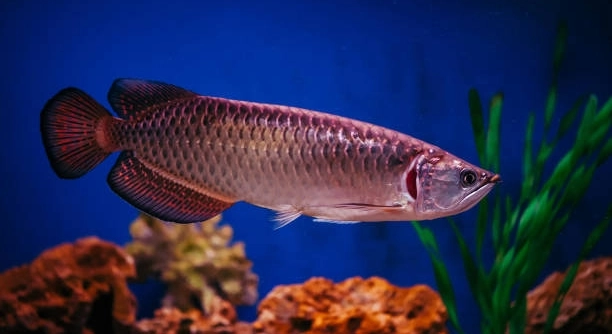
Have you ever noticed changes in your arowana’s behavior and wondered if temperature might be the reason behind those subtle shifts in movement or appetite?
Temperature plays a significant role in arowana behavior by influencing their metabolism, feeding habits, and overall activity levels. Warmer water temperatures can increase metabolism and aggression, while cooler temperatures may slow movement and reduce appetite, impacting their overall health and behavior patterns.
Understanding how temperature affects your arowana’s daily rhythm can help you maintain a stable and healthy aquatic environment for their well-being.
The Connection Between Temperature and Behavior
Temperature directly affects how arowanas move, eat, and interact within their environment. When the water is warmer, their metabolism speeds up, causing them to become more active and sometimes even aggressive. Cooler temperatures, however, can make them sluggish and uninterested in food. This shift can be worrying for many keepers who notice their once-lively fish becoming less responsive. Maintaining a balanced temperature helps ensure that their natural instincts remain stable. Temperature fluctuations, especially sudden drops, can also stress them, leading to changes in color and behavior. Consistency is key to helping arowanas thrive.
Arowanas rely on their environment to regulate body functions. When the temperature remains consistent, their immune systems perform better, and their appetite stays steady, allowing them to maintain healthy growth and movement.
Stable temperatures also support proper digestion and oxygen absorption. These two factors are essential for arowanas’ overall well-being and daily comfort in the tank.
Finding the Right Temperature Balance
Arowanas generally thrive in water temperatures between 75°F and 86°F. Keeping it within this range allows them to display their natural swimming patterns and maintain strong immune responses. Constant monitoring and minor adjustments prevent unnecessary stress caused by extreme temperature shifts.
Maintaining a consistent water temperature involves using a reliable heater and thermometer to track changes throughout the day. Avoid placing the tank in areas exposed to direct sunlight or cold drafts, as these can alter water conditions quickly. If the temperature drops too low, their metabolism slows, leading to poor digestion and reduced activity. On the other hand, water that is too warm can decrease oxygen levels, making it harder for them to breathe. Striking the right balance ensures they stay active, vibrant, and responsive. Regular checks and gradual changes are essential, helping your arowana live comfortably in a stable, controlled aquatic environment.
How Temperature Affects Feeding and Digestion
Arowanas are sensitive to temperature changes, especially when it comes to eating habits. When the water cools, their metabolism slows, making them less interested in food and more prone to digestive issues. Warmer conditions help them digest meals faster and stay more active.
Maintaining an appropriate temperature range supports consistent feeding behavior. If the water gets too cold, food may remain undigested, leading to bloating or other health problems. On the other hand, excessively warm water increases metabolism but may lower oxygen levels, causing stress. Gradual adjustments are safer than sudden changes. By keeping the temperature steady, your arowana can eat comfortably and absorb nutrients properly. Stable conditions also reduce food waste since your fish will be more likely to finish their meals, keeping the tank cleaner and healthier.
Temperature consistency also influences feeding schedules. Warmer water means smaller, more frequent meals work best, while cooler conditions require fewer feedings. Understanding this rhythm prevents overfeeding and supports long-term health.
Temperature and Activity Levels
Temperature influences how much your arowana swims and interacts with its environment. Warm water encourages faster, more dynamic movement, while cooler temperatures slow activity and may make your fish seem withdrawn or less alert during daily observation.
Maintaining a comfortable range keeps your arowana lively and balanced. Too much warmth can cause restlessness or aggression, especially toward tank mates. Too much cold, however, reduces energy and weakens muscle coordination. Adjusting the temperature slowly allows the fish to adapt naturally without unnecessary stress. You might also notice that their color appears brighter and their movements more fluid when the temperature is ideal. This balance between warmth and oxygenation is essential for sustaining activity, ensuring your arowana remains energetic, graceful, and responsive to its surroundings without compromising overall health.
The Impact of Sudden Temperature Changes
Sudden temperature changes can shock your arowana’s system, leading to stress and weakened immunity. Even a small drop or rise can cause them to become restless, lose appetite, or develop discoloration due to the strain on their body’s natural balance.
To prevent these reactions, monitor the tank regularly and make slow adjustments when needed. Rapid shifts in temperature can also cause respiratory distress or erratic swimming. Keeping the temperature consistent using reliable equipment helps your arowana stay calm and maintain stable health throughout seasonal or environmental fluctuations.
Breeding Behavior and Temperature Influence
Temperature plays a major role in arowana breeding behavior. Slightly warmer water often triggers courtship activity, encouraging males and females to pair. However, excessive warmth can cause aggression instead of breeding readiness. Maintaining a steady increase within the safe range supports egg development and ensures proper fertilization. Consistency during this stage prevents failed spawning attempts and stress in both fish. Adjusting temperature gradually while maintaining optimal water conditions creates the best environment for breeding success without harming the adults or eggs.
Monitoring and Maintaining Stability
Regular temperature checks are essential for arowana care. Use a digital thermometer for accuracy and test multiple tank areas. Consistent readings help detect early fluctuations, allowing timely adjustments that protect your fish’s health and support a balanced aquatic environment.
FAQ
What is the ideal temperature range for arowanas?
The ideal temperature range for arowanas is between 75°F and 86°F (24°C to 30°C). Staying within this range supports their metabolism, digestion, and immune system. It also encourages natural swimming behavior and helps maintain bright coloration. Avoid letting the temperature drop too low or rise too high, as extremes can cause stress and illness. Keeping a consistent temperature within this range ensures your arowana remains active, healthy, and comfortable throughout the year. Stability matters more than frequent changes, so using reliable heating equipment is essential.
Can temperature changes cause stress in arowanas?
Yes, even small temperature changes can stress your arowana. When the water temperature fluctuates suddenly, their body needs time to adjust, which can weaken their immune system and affect breathing. Stress may show as loss of appetite, dull colors, or erratic swimming. Over time, it can also make them more vulnerable to infections or parasites. Using a heater with an automatic thermostat helps prevent these sudden changes. Keeping your tank away from direct sunlight, windows, or vents also reduces unexpected temperature swings.
Do arowanas eat less when the temperature drops?
Arowanas tend to eat less in cooler water because their metabolism slows down. They burn less energy, so they need fewer calories. This reduced appetite is normal but should not last long if the temperature is stable. However, if they completely stop eating, check your tank’s temperature immediately. Gradually warming the water back to the ideal range often restores normal feeding behavior. Avoid overfeeding during cooler conditions, as uneaten food can decay and affect water quality, leading to further health issues.
Can warm water make arowanas aggressive?
Yes, warm water can increase activity and sometimes lead to aggression, especially if the tank is small or crowded. Higher temperatures raise metabolism, making arowanas more energetic and territorial. If aggression becomes noticeable, reduce the temperature slightly within the safe range. Ensure your tank has enough space and hiding areas to minimize conflict. Balanced warmth helps them stay active without becoming overly defensive or stressed. Monitoring behavior daily allows you to make quick adjustments when aggression appears.
How can I stabilize the water temperature?
Stabilizing water temperature starts with choosing a quality heater and thermometer. Always keep the heater submerged and place it where water circulates evenly. Avoid exposing the tank to external heat or cold sources. If your room temperature changes frequently, consider using a temperature controller for added accuracy. When performing water changes, match the new water’s temperature to the tank’s current level. Even small differences can cause discomfort or stress. Consistent monitoring helps maintain balance, ensuring your arowana stays healthy and stress-free.
What happens if the temperature gets too high?
If the water temperature rises above 86°F (30°C), oxygen levels begin to drop. Your arowana may start gasping at the surface or moving sluggishly. Extended exposure can lead to breathing issues or reduced appetite. To cool the tank, switch off the heater, increase surface agitation with an air stone, and avoid turning on bright lights. Placing a fan nearby can also help lower the temperature gradually. Never use ice directly in the tank, as it causes sudden drops that can shock the fish.
Is it okay for the temperature to drop at night?
A slight drop of one or two degrees at night is normal and usually harmless. However, larger drops can cause stress and slow metabolism. Using a reliable heater keeps the temperature consistent during cooler nights. You can also insulate the tank by covering it with a lid to prevent heat loss. Stability is crucial for maintaining your arowana’s energy levels and preventing health problems caused by constant fluctuations. Consistent warmth ensures your fish remain active, alert, and comfortable at all times.
How often should I check the temperature?
Check your arowana’s water temperature at least twice a day—once in the morning and once in the evening. This routine helps you catch any early signs of fluctuation. If you notice sudden changes, adjust gradually rather than quickly. Investing in a digital thermometer with a display outside the tank makes monitoring easier and more accurate. Regular checks prevent long-term stress and ensure a stable aquatic environment for your fish. Maintaining consistency in temperature care is one of the simplest ways to keep your arowana healthy.
Can temperature affect breeding success?
Yes, temperature plays a crucial role in arowana breeding success. Slightly warmer water—around 82°F to 86°F—can stimulate spawning behavior and increase egg viability. However, going beyond that range may cause infertility or aggression between the pair. Consistency during breeding season supports stable egg development and reduces the chance of premature hatching. Gradually adjusting the temperature upward, rather than making sudden changes, helps mimic natural environmental cues that trigger reproduction. Maintaining optimal warmth throughout the process ensures better survival rates and healthier offspring.
Why is temperature stability more important than the exact number?
While maintaining the correct range matters, stability is even more important. Arowanas are highly sensitive to fluctuations. Even if the water remains within the safe zone, rapid changes can cause stress or shock. Consistent warmth allows their body functions to stay balanced, supporting healthy growth and behavior. Investing in stable heating equipment and regular monitoring ensures smooth temperature control. Instead of aiming for a perfect number, focus on keeping it steady. Your arowana will respond better to consistent care than to frequent adjustments.
Final Thoughts
Temperature plays a central role in shaping how arowanas behave, eat, and interact with their environment. Their health, mood, and energy levels all depend on how stable and suitable the water temperature remains. Arowanas thrive best in steady, warm conditions that allow their metabolism and immune system to function properly. Even a few degrees of change can influence their movement, feeding patterns, and stress levels. Maintaining consistency is not only about comfort but also about preventing illnesses and behavioral issues that may arise from sudden fluctuations. Understanding this relationship helps you create an environment that supports their natural instincts and keeps them balanced throughout every stage of life.
A stable temperature does more than support physical health—it also affects emotional stability and overall behavior. Arowanas can become aggressive, withdrawn, or sluggish when exposed to unsuitable conditions. Warmer water tends to increase energy and activity, while cooler temperatures can slow everything down, including digestion and appetite. These behavioral shifts are clear indicators of how closely their internal systems rely on external temperature regulation. Paying attention to these signals helps you understand your fish’s needs better. Consistent monitoring and careful adjustment make it easier to maintain a healthy rhythm that encourages steady growth, vibrant color, and calm interaction within the tank. The key lies in small, gradual changes and daily awareness rather than sudden corrections.
Long-term care for arowanas means focusing on balance. The right temperature not only supports survival but enhances the quality of life for your fish. Using dependable equipment, such as digital thermometers and thermostatic heaters, helps maintain the conditions they need. Regular water checks, combined with stable temperature management, prevent the stress that often leads to illness or behavioral decline. When your tank environment remains consistent, your arowana can thrive peacefully and show its full beauty and personality. Creating this balance doesn’t require complicated methods—just patience, consistency, and attention to detail. Temperature control might seem simple, but it forms the foundation of healthy aquarium care. By understanding how much this single factor influences your arowana’s life, you can ensure it remains active, graceful, and strong for many years. Stability in temperature truly reflects stability in their well-being.

Hello,
If you enjoy the content that we create, please consider saying a "Thank You!" by leaving a tip.
Every little bit helps us continue crafting quality advice that supports the health, happiness, and well-being of pets around the world, for pets of all shapes, sizes, and species.
We really appreciate the kindness and support that you show us!