
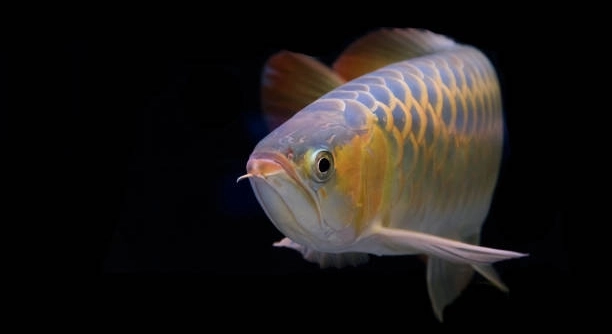
Have you ever brought home a new arowana and felt unsure about the best way to introduce it to your tank? Arowanas are striking fish that require careful attention to thrive. Their health depends on proper care and preparation.
Quarantining a new arowana before adding it to your main tank is essential. This practice helps prevent disease transfer, allows observation of behavior and health, and ensures that the fish acclimates safely without disturbing existing tank inhabitants.
Knowing the right steps can protect both your fish and your tank environment. The following tips and guidelines will help you care for your new arowana effectively.
Why Quarantine Matters
Quarantining a new arowana is one of the most important steps in keeping a healthy tank. New fish can carry diseases that are not immediately visible, and introducing them directly to your main tank puts all your other fish at risk. During quarantine, you can watch for signs of illness, such as unusual swimming patterns, spots, or loss of appetite. It also gives the fish time to adjust to new water conditions slowly. Stress from transport or sudden changes in environment can weaken a fish’s immune system, making it more vulnerable. A quarantine period allows you to treat minor health issues before they spread. Setting up a separate tank does not have to be complicated—just a simple setup with proper filtration, aeration, and temperature control is enough. Taking this precaution helps maintain a stable, safe environment for both new and existing fish.
Quarantine protects both your new arowana and the fish already in your tank.
A quarantine tank should mimic the conditions of your main tank as closely as possible. Keep the temperature, pH, and filtration consistent to reduce stress. Monitor water quality daily and perform regular partial water changes. Feed the fish a balanced diet to maintain strength and vitality. Observing the fish closely allows you to detect early signs of illness or aggression. If medication is needed, it is much easier to administer in a separate tank. Quarantining also gives the fish time to acclimate to your care routine, making it more likely to thrive once introduced.
Setting Up a Quarantine Tank
The quarantine tank should be simple but effective for monitoring new fish.
Choose a tank that is smaller than your main setup but large enough for the arowana to move freely. Add a gentle filter and heater to maintain stable water conditions. Avoid decorations that could injure the fish but provide hiding spots if needed. Keep lighting moderate and avoid sudden changes to reduce stress. Monitor the fish daily for behavior, appetite, and any signs of illness. Clean the tank carefully to prevent contamination.
Once the tank is ready, acclimate your new arowana slowly. Float the bag in the water to equalize temperature and gradually introduce small amounts of tank water. Observe the fish for at least two to four weeks, ensuring it eats well and remains healthy. During this period, perform partial water changes to maintain water quality and remove waste. Avoid adding chemicals unnecessarily; only treat for diseases if symptoms appear. Taking these careful steps ensures a smoother transition to your main tank, reduces the risk of spreading illness, and helps your arowana settle comfortably. By committing to proper quarantine practices, you protect all your fish and make your tank a healthier, more stable environment.
Monitoring Health During Quarantine
Observe your arowana daily for any signs of illness or stress. Check for unusual spots, clamped fins, rapid gill movement, or changes in appetite. Early detection is key to preventing serious health problems.
Keep a log of feeding, behavior, and water parameters. Note any changes in appearance or activity. Monitor water temperature, pH, and ammonia levels closely. Regular observation helps catch issues before they spread and allows for timely intervention. If you see any irregularities, isolate affected fish or treat as needed. Consistent monitoring ensures your arowana remains healthy and strong.
Feeding should be regular but controlled. Offer high-quality pellets or live foods to maintain nutrition without overfeeding. Avoid sudden changes in diet. Keep the tank clean and maintain proper filtration. If parasites or infections appear, start treatment promptly. Quarantine gives a safe space to address these problems without risking your main tank. Observing behavior over several weeks helps identify subtle health concerns.
Introducing Your Arowana to the Main Tank
Ensure the main tank is stable before introducing the new fish. Check water quality and temperature.
Acclimate the arowana gradually. Float the quarantine tank or bag in the main tank to equalize temperature. Slowly mix small amounts of tank water into the quarantine tank over several hours. This process reduces stress and prevents shock. Release the fish carefully, avoiding sudden movements. Keep an eye on interactions with existing fish. Some aggression may occur, so be ready to separate if necessary. A smooth transition helps your arowana adjust confidently to its new environment.
Continue monitoring closely for the first few days. Watch for signs of aggression, illness, or refusal to eat. Maintain proper feeding and cleaning routines. Remove any leftover food promptly to avoid water contamination. Observe territorial behavior and provide hiding spots if needed. Gradual integration ensures that both new and existing fish remain healthy. Keeping up with consistent observation and care prevents stress-related illness and supports long-term tank harmony. By following these steps, your arowana can settle safely and thrive in its main home.
Choosing the Right Quarantine Period
A quarantine period of at least two to four weeks is recommended. This allows enough time to observe for illness, parasites, or stress. Shorter periods may not reveal hidden problems, and longer periods provide extra safety for your main tank.
During quarantine, monitor behavior, feeding, and water quality daily. Consistency in observation ensures early detection of health issues. Record any changes and act promptly if concerns arise. Maintaining this routine reduces risk to your existing fish and helps the arowana acclimate safely.
Water Quality Essentials
Stable water conditions are crucial during quarantine. Monitor ammonia, nitrite, nitrate levels, pH, and temperature daily. Regular partial water changes prevent buildup of harmful compounds. Use a reliable filter and maintain proper aeration. Clean the tank carefully to reduce stress and contamination, keeping the fish healthy throughout the quarantine period.
Feeding and Nutrition
Provide high-quality food in small, regular amounts. Overfeeding can pollute the water. Offer a mix of pellets and occasional live food. Observe the fish’s appetite to ensure it is eating properly. Consistent nutrition supports health and reduces stress during quarantine.
FAQ
How long should I quarantine a new arowana?
A quarantine period of at least two to four weeks is recommended. This timeframe allows you to observe for hidden diseases, parasites, or stress-related issues. Some fish may show signs of illness only after several days, so a full month ensures you catch any problems before adding the fish to your main tank.
Can I use medication in the quarantine tank?
Yes, the quarantine tank is the safest place to use medications. If your arowana shows signs of parasites, fungal infections, or bacterial illness, treatments can be applied without affecting other fish. Always follow dosage instructions carefully and monitor the fish for side effects.
Do I need a separate filter for the quarantine tank?
A separate filter is highly recommended. It maintains water quality and reduces stress. Simple sponge filters work well because they provide gentle filtration and aeration. Avoid strong currents, as arowanas prefer calmer water during quarantine.
How often should I change water during quarantine?
Partial water changes every two to three days are ideal. Replace about 20–30% of the water each time. This keeps ammonia and nitrite levels low while maintaining stable conditions. Avoid full water changes, which can stress the fish and disrupt its adjustment.
What should I feed my arowana in quarantine?
Offer high-quality pellets daily, supplemented with occasional live or frozen food such as shrimp or small fish. Feed small amounts multiple times a day instead of one large meal. Observe appetite closely; a lack of eating may indicate stress or illness.
How can I tell if my arowana is stressed?
Signs of stress include clamped fins, rapid gill movement, erratic swimming, hiding, or refusal to eat. Stress can be caused by poor water quality, sudden environmental changes, or overcrowding. Identifying stress early allows you to adjust care and prevent illness.
Can I quarantine multiple fish together?
It’s possible but not recommended unless the tank is large enough and each fish has space to avoid aggression. Multiple fish can spread disease to each other faster, so separate quarantine is safest for new arrivals.
Is quarantine necessary if the fish looks healthy?
Yes. Many diseases are not immediately visible, and even healthy-looking fish can carry pathogens. Quarantine protects your main tank and existing fish from potential outbreaks, ensuring a safer introduction.
How do I acclimate my arowana after quarantine?
Float the quarantine tank bag or net in the main tank to equalize temperature. Slowly add small amounts of tank water over a few hours. Release the fish gently and monitor interactions with existing fish. Gradual acclimation reduces stress and helps the fish adjust smoothly.
What if my arowana refuses to eat during quarantine?
Some stress-related appetite loss is normal. Try offering different foods, adjusting water temperature slightly, or reducing handling. If the fish refuses food for more than a few days, check water quality and look for illness. Proper observation helps prevent long-term problems.
How do I prevent disease spread after quarantine?
Always wash hands and equipment before and after handling the quarantine tank. Avoid transferring water or decorations directly to the main tank. If treatment was used, ensure medication residues are fully removed before moving the fish. This reduces the risk of contaminating your main aquarium.
Can I skip quarantine for small or inexpensive fish?
Skipping quarantine is risky regardless of the fish’s size or value. Even small or inexpensive fish can carry diseases that quickly affect your main tank. Quarantine is a simple precaution that saves time, money, and stress in the long run.
How can I make quarantine less stressful for my arowana?
Provide hiding spots, stable water parameters, and minimal handling. Keep lighting moderate and avoid sudden changes. Feed consistently and maintain clean water. A calm environment allows the fish to recover from transport stress and adjust to its temporary home safely.
Should I test water daily during quarantine?
Yes. Daily testing of ammonia, nitrite, nitrate, pH, and temperature ensures stable conditions. Small fluctuations can stress arowanas, making them more susceptible to disease. Monitoring closely allows prompt corrective action, keeping the fish healthy throughout quarantine.
How long after quarantine can I introduce the fish to the main tank?
Once the fish has shown consistent eating, normal behavior, and no signs of disease for the full quarantine period, it can be introduced. Take care to acclimate gradually and continue monitoring interactions with other fish in the main tank.
This FAQ covers common concerns and practical tips, helping ensure your arowana transitions safely and thrives in its new home.
Quarantining a new arowana is an important step in keeping your tank healthy. It may feel like an extra task, but it can save a lot of stress and potential problems later. A quarantine period allows you to watch the fish closely for any signs of illness, parasites, or stress that may not be immediately visible. Many diseases are not obvious at first, and introducing a new fish directly into your main tank can quickly spread problems to other fish. Taking the time to isolate and monitor your arowana protects both the new fish and the ones you already have. Even a seemingly healthy fish can carry hidden pathogens that compromise the stability of your tank environment.
Setting up a quarantine tank doesn’t have to be complicated. A simple setup with a heater, gentle filter, and a few hiding spots is enough. Maintaining stable water parameters is more important than having elaborate decorations or a large tank. Daily observation of your arowana’s behavior, appetite, and appearance helps detect early signs of stress or illness. Feeding consistently with high-quality pellets and occasional live food keeps the fish strong during this adjustment period. Partial water changes help maintain water quality, and careful cleaning reduces the risk of contamination. Spending time monitoring your fish during quarantine also gives you a better understanding of its personality and behavior, which can be helpful when integrating it into your main tank later.
Once the quarantine period is over and the arowana is eating well, behaving normally, and showing no signs of illness, it can be gradually introduced to the main tank. Slowly acclimating the fish by mixing tank water into the quarantine environment helps reduce stress and prevents shock. Even after moving the fish to the main tank, continue to watch for signs of stress or aggression, as these can occur during initial interactions with existing fish. Quarantine is not just about avoiding disease; it’s about giving your arowana a chance to settle in and grow strong. Proper quarantine practices make the transition smoother for both the fish and the tank, creating a safer and more stable environment for everyone. Following these simple steps ensures that your arowana thrives and that your tank remains healthy for years to come.

Hello,
If you enjoy the content that we create, please consider saying a "Thank You!" by leaving a tip.
Every little bit helps us continue crafting quality advice that supports the health, happiness, and well-being of pets around the world, for pets of all shapes, sizes, and species.
We really appreciate the kindness and support that you show us!