
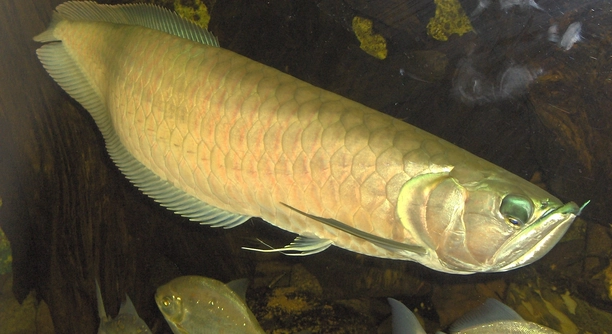
Keeping an Arowana happy requires more than just feeding it daily. Their well-being depends on proper care, a clean environment, and attention to their natural behaviors, which ensures they thrive in home aquariums with minimal stress.
Providing a spacious tank, maintaining optimal water conditions, offering a varied diet, ensuring proper lighting, reducing stressors, observing social behavior, and regularly monitoring health are key actions that directly contribute to a happier and healthier Arowana.
Implementing these practices today can transform your fish’s environment and overall mood. Simple adjustments lead to noticeable improvements in their activity and vitality.
Provide a Spacious Tank
Arowanas need plenty of space to swim freely. A cramped tank can cause stress, stunt growth, and encourage aggressive behavior. The minimum recommended size for most Arowanas is around 250 gallons, but larger is always better. It’s important to account for their full adult size, which can reach up to three feet. Providing a tank with ample horizontal swimming space is more critical than height. Decorations should be minimal to avoid obstacles, but some plants or driftwood can create a natural environment. Consistent water flow and open areas for swimming make them feel secure and active. Observing how your Arowana moves can indicate whether the space meets its needs. Overcrowding with other fish or improper tank dimensions often leads to lethargy or frequent hiding, which reduces overall well-being. Prioritizing space ensures your fish can explore, exercise, and maintain a healthy body.
Spacious tanks improve movement, reduce stress, and encourage natural behavior. Larger tanks are essential for growth and mental health.
Investing in a proper-sized tank prevents future complications. Arowanas in bigger aquariums show more energy, better appetite, and stronger immune systems. Regular maintenance in these conditions is easier, and the fish’s natural patterns can be observed. Choosing the right tank layout and size is a practical step toward long-term happiness.
Maintain Optimal Water Conditions
Regular water changes, proper filtration, and monitoring pH and temperature keep your Arowana healthy.
Stable water conditions prevent illness, reduce stress, and promote consistent growth. Clean water is fundamental for their immune system and longevity.
Water quality directly affects every aspect of an Arowana’s life. Ammonia, nitrite, or nitrate spikes can lead to illness, loss of appetite, and behavioral changes. Maintaining temperatures between 75–82°F and a pH around 6.5–7.5 suits most species. Using a reliable filtration system removes waste and keeps the water clear. Partial water changes, about 25–30% weekly, help maintain chemical balance. Monitoring water parameters with test kits allows for timely adjustments. Even small fluctuations can cause stress, making them more susceptible to infections. Aeration is also crucial; Arowanas need sufficient oxygen at the surface and throughout the tank. Regular cleaning of gravel, decorations, and filters ensures waste doesn’t accumulate. Establishing a consistent routine builds a stable environment, promoting both physical health and calm behavior. Healthy water conditions are the foundation of a happier Arowana.
Offer a Varied Diet
Arowanas need more than one type of food to stay healthy. Feeding a mix of pellets, live food, and occasional treats provides essential nutrients and encourages natural hunting behavior.
A balanced diet ensures proper growth, vibrant coloration, and strong immunity. High-quality pellets can form the staple of their meals, supplemented with live or frozen fish, shrimp, and insects. Variety stimulates interest and reduces boredom, preventing refusal to eat. Rotating food types also provides different vitamins and minerals, which supports overall health. Avoid overfeeding to prevent water contamination and obesity, as Arowanas are prone to digestive issues. Observing your fish while feeding helps identify appetite changes, which can indicate stress or illness.
Consistency in feeding times also matters. Providing meals at the same time each day helps regulate metabolism and encourages a predictable routine. Treats like crickets or small fish should be given occasionally to mimic natural behavior, but not dominate the diet. Feeding in moderation while maintaining variety keeps your Arowana active, engaged, and in optimal condition.
Ensure Proper Lighting
Proper lighting replicates natural day and night cycles, supporting Arowana health and activity levels. Too much light can stress them, while too little affects metabolism and coloration.
Lighting influences behavior and physiological functions. A balance of 10–12 hours of light per day works well, ideally using full-spectrum or aquarium-specific bulbs. These lights enhance color and encourage normal activity, while a defined dark period allows rest and reduces stress. Avoid placing the tank in direct sunlight, which can cause temperature fluctuations and algae growth. Timers are helpful for maintaining consistent schedules, creating a stable environment. Proper lighting supports appetite, immunity, and mental stimulation. Observing your Arowana during different light periods can indicate whether adjustments are needed.
Light placement and intensity should suit the tank size and décor. Dim areas can be included to give the fish a choice, allowing them to retreat when they feel stressed. Full-spectrum lighting not only highlights the fish’s natural colors but also benefits plant growth if live plants are present. A consistent lighting schedule enhances daily activity and overall well-being, making your Arowana more vibrant and lively.
Reduce Stressors
Limiting sudden movements around the tank helps keep your Arowana calm. Loud noises, frequent tapping, or excessive handling can make them nervous and reduce activity.
Maintaining a quiet environment with minimal disruptions encourages natural swimming and exploration. Stress can lead to illness, loss of appetite, and behavioral changes.
Observe Social Behavior
Some Arowanas can coexist with certain tank mates, while others prefer to be alone. Watching interactions prevents aggression and injury.
Arowanas are naturally territorial and may become aggressive if crowded. Introducing compatible fish gradually and providing hiding spots helps reduce conflicts. Monitoring behavior regularly ensures harmony in the tank.
Regularly Monitor Health
Check your Arowana for signs of illness, such as changes in color, appetite, or swimming patterns. Early detection prevents serious health issues.
Routine observation allows for timely interventions. Minor changes can indicate stress, infections, or water quality problems. Keeping a record of feeding habits, activity, and appearance helps track overall health. Prompt action can prevent the spread of disease and ensures your Arowana remains active, vibrant, and happy.
Maintain Clean Equipment
Filters, heaters, and pumps must be kept in good condition to support water quality and stability.
FAQ
What is the ideal tank size for an Arowana?
Arowanas grow large, often reaching three feet in length. A minimum of 250 gallons is recommended, but larger tanks provide more swimming space and reduce stress. Wide, open tanks are more important than tall tanks. Adequate space supports healthy growth, natural activity, and reduces aggression.
How often should I feed my Arowana?
Adult Arowanas generally eat once or twice a day. Younger fish may require smaller, more frequent meals. Feeding should be consistent, using a combination of high-quality pellets and live or frozen food. Overfeeding can lead to obesity and water quality problems, so moderation is key.
What water conditions are best for Arowanas?
Stable water conditions are essential. Keep the temperature between 75–82°F and pH around 6.5–7.5. Use a reliable filtration system and perform partial water changes of 25–30% weekly. Testing for ammonia, nitrites, and nitrates helps detect issues before they affect your fish.
Can Arowanas live with other fish?
Some species can coexist with compatible tank mates, but Arowanas are naturally territorial. Introduce new fish gradually and provide hiding spots. Avoid small fish that can be seen as prey and monitor interactions closely to prevent injury or stress.
How do I know if my Arowana is stressed?
Signs of stress include hiding, reduced appetite, lethargy, erratic swimming, or rubbing against tank surfaces. Environmental factors like poor water quality, overcrowding, or sudden movements can trigger stress. Observing your fish daily helps catch problems early and maintain a stable environment.
What should I do if my Arowana stops eating?
Loss of appetite can result from stress, illness, or water problems. Check water parameters, review diet, and reduce environmental disturbances. Offering a variety of foods, including live or frozen options, may encourage feeding. Persistent refusal should be addressed with a veterinarian experienced in fish care.
How important is lighting for my Arowana?
Lighting affects behavior, appetite, and coloration. Use full-spectrum aquarium lights for 10–12 hours daily, with a defined dark period for rest. Avoid direct sunlight to prevent temperature fluctuations and algae growth. Timers can help maintain a consistent schedule for stability.
How can I prevent disease in my Arowana?
Maintaining clean water, proper diet, and stable conditions is crucial. Regularly inspect your fish for signs of illness and quarantine new additions before introducing them to the main tank. Promptly addressing any health issues reduces the risk of spreading infections.
What decorations are safe for an Arowana tank?
Keep decorations minimal to allow swimming space. Smooth rocks, driftwood, and certain plants can be added, but avoid sharp objects that may injure the fish. Providing some hiding spots can reduce stress and create a more natural environment.
How often should I clean the tank?
Perform weekly partial water changes of 25–30% and clean filters as recommended by the manufacturer. Remove uneaten food and debris to maintain water quality. Regular cleaning prevents disease and keeps the tank environment stable and safe for your Arowana.
Can Arowanas jump out of the tank?
Yes, they are strong jumpers. A secure, well-fitted lid is necessary to prevent accidents. Even minor gaps can allow an Arowana to escape, which can be fatal. Ensuring a covered tank protects both the fish and your home environment.
Do Arowanas need live food?
While high-quality pellets can meet nutritional needs, occasional live or frozen food stimulates natural hunting behavior. Variety supports health, reduces boredom, and encourages activity. Offer live options sparingly to avoid water contamination and overfeeding.
How do I know when my Arowana is healthy?
A healthy Arowana is active, swims smoothly, and displays vibrant coloration. Clear eyes, intact fins, and consistent appetite are also indicators. Daily observation helps identify subtle changes early, allowing prompt action to maintain overall well-being.
Is water temperature really important?
Yes, temperature affects metabolism, digestion, and immune function. Sudden changes can stress the fish and trigger illness. Keeping a consistent range between 75–82°F ensures proper physiological function and supports growth, activity, and appetite.
Can Arowanas live alone?
Yes, many do better alone due to territorial behavior. Some may tolerate compatible species, but solitary housing reduces aggression and stress. Observing the fish’s behavior in any setup ensures a harmonious environment.
How do I reduce aggression in the tank?
Providing ample space, hiding spots, and compatible tank mates helps. Avoid overcrowding and monitor interactions. Stress from poor conditions can increase aggression, so maintaining water quality and a stable environment is essential.
What are common signs of illness?
Symptoms include lethargy, faded colors, loss of appetite, abnormal swimming, fin damage, or visible spots. Early detection through daily observation allows prompt treatment, improving recovery and preventing spread to other fish.
How can I encourage natural behavior?
Offering variety in food, open swimming space, and occasional enrichment like live prey stimulates natural instincts. Reducing stressors and maintaining stable conditions also promotes active, confident, and engaged behavior in Arowanas.
Are Arowanas sensitive to noise?
Yes, loud noises and vibrations can stress them. Keep the environment calm and avoid tapping on the glass. A peaceful setting encourages activity, appetite, and overall well-being.
How long do Arowanas live?
With proper care, Arowanas can live 10–15 years or more. Adequate space, diet, water quality, and monitoring health are crucial for longevity and maintaining their natural vitality.
Caring for an Arowana requires attention to several key aspects, all of which contribute to its overall happiness and health. From providing a spacious tank to ensuring proper water conditions, each step plays a significant role in maintaining a stable and safe environment. Observing your fish’s behavior and responding to any changes promptly can prevent small issues from becoming serious problems. Regular maintenance of the tank and equipment, including filters and heaters, ensures that water quality remains high and conditions stay consistent. Feeding a balanced diet that includes a mix of high-quality pellets, live, or frozen food supplies essential nutrients and keeps the fish active. Additionally, maintaining proper lighting and reducing environmental stressors helps mimic natural conditions, encouraging natural activity and a calmer temperament. Paying attention to these details demonstrates that a well-maintained aquarium and thoughtful care directly affect an Arowana’s well-being.
Keeping your Arowana healthy also involves monitoring its social behavior and interactions with other fish if you choose to keep tank mates. Some Arowanas prefer solitary environments, while others can coexist with compatible species under carefully managed conditions. Providing hiding spots and enough swimming space minimizes aggression and supports mental stability. Routine health checks are essential to detect early signs of illness or stress. Changes in appetite, coloration, swimming patterns, or fin condition can indicate underlying issues that require attention. Acting quickly when such signs appear, along with maintaining consistent feeding routines and water conditions, can prevent diseases and promote long-term vitality. These efforts may feel time-consuming, but the results are visible in the fish’s energy levels, appearance, and behavior. Observing the difference between a stressed and a well-cared-for Arowana highlights how much impact proper care has on their overall happiness.
Creating an environment that supports an Arowana’s physical and mental health is a combination of space, diet, water quality, and observation. Stability and consistency in care routines give the fish confidence in its surroundings, which reduces stress and encourages natural behavior. Offering a mix of food types and occasional enrichment supports both physical development and mental stimulation. Regular monitoring and timely interventions allow you to address any problems before they affect the fish seriously. Small details, such as secure tank lids to prevent jumping or timers for consistent lighting, contribute to a safe and predictable environment. Overall, caring for an Arowana is a deliberate process that requires attention, patience, and observation. When these practices are applied consistently, the result is a vibrant, active, and content fish, thriving in a home aquarium where its needs are thoughtfully met.

Hello,
If you enjoy the content that we create, please consider saying a "Thank You!" by leaving a tip.
Every little bit helps us continue crafting quality advice that supports the health, happiness, and well-being of pets around the world, for pets of all shapes, sizes, and species.
We really appreciate the kindness and support that you show us!