
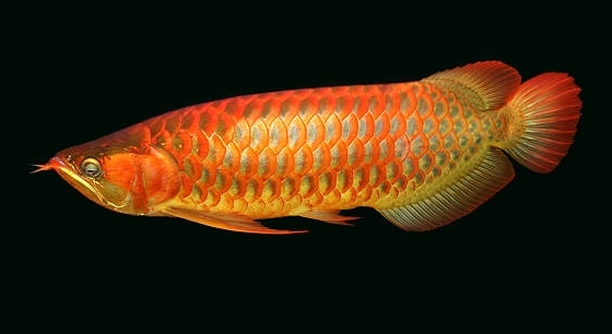
Have you ever noticed your arowana behaving differently in its tank, showing subtle changes in color or scale texture? Many fish owners observe these shifts and wonder if something significant is occurring beneath the surface.
During arowana molting, it is essential to monitor for signs such as loose or peeling scales, slight changes in skin coloration, and altered swimming behavior. These indicators can help determine whether the molting process is proceeding normally or requires attention.
Watching these subtle changes carefully can help ensure your arowana remains healthy and comfortable throughout the molting process. Proper observation provides insight into its overall wellbeing.
Common Signs of Arowana Molting
Arowanas often display subtle signs when they are molting. You may notice tiny patches of peeling scales or slightly duller skin, especially around the fins and tail. Changes in swimming patterns, such as moving slower than usual or staying near the tank surface, can also indicate molting. Some arowanas may become less active and eat less during this time, which is normal but should still be monitored. Color shifts, especially a slight fading, can accompany the molting process, and lighting can make these changes more noticeable. It is helpful to maintain a consistent tank environment to reduce stress, as stress can worsen scale loss or slow down recovery. Avoid sudden water changes or aggressive tank mates during molting periods. Observing your arowana carefully allows you to notice early signs of molting and ensure that its health remains stable throughout the process.
Molting may only last a few days, but careful observation is essential.
Keeping the tank clean and stable supports healthy scale regeneration, minimizing risks during the molting period.
How to Support Your Arowana During Molting
Providing optimal water quality is crucial when your arowana is molting. Keep the temperature stable and monitor pH levels to avoid stress. Gentle filtration is preferred to prevent strong currents from aggravating peeling scales. Diet also plays a role; offering high-quality protein and occasional vitamins can support skin regeneration. Avoid overcrowding and ensure the fish has space to move freely. Reducing handling or tank disturbances during this period helps the arowana recover without additional stress.
Arowanas need calm, stable conditions to molt safely.
Water quality, diet, and a low-stress environment directly influence the success of molting. Frequent water testing and partial water changes prevent harmful buildup of ammonia or nitrites, which can damage sensitive new skin. Including protein-rich foods like live or frozen shrimp can enhance scale recovery, while vitamin supplements help maintain overall health. Observing behavior changes, such as reduced feeding or slower movement, allows you to respond promptly if issues arise. Creating hiding spots or gentle decorations in the tank can give the fish places to rest without exposure to strong currents or other fish. By carefully monitoring and adjusting care, you can help your arowana complete the molting process efficiently and safely, reducing the risk of infections or prolonged stress. Consistency and attention are key to supporting a healthy molting period.
Potential Complications During Molting
Sometimes molting does not go smoothly. Arowanas may develop small infections at peeling areas or experience scale loss that takes longer to heal. Stress from poor water conditions or aggressive tank mates can worsen these problems, making close observation important.
Infections can appear as red or inflamed patches on the skin, particularly near the fins or along the lateral line. If left untreated, these areas can worsen, causing discomfort and affecting the fish’s overall health. Maintaining clean water and providing a stable environment minimizes the risk of complications. Avoid using harsh chemicals that may irritate sensitive skin, and watch for unusual behavior, such as excessive rubbing against tank surfaces, which may indicate discomfort. Promptly addressing any signs of infection helps your arowana recover faster and keeps the molting process on track.
Physical damage can occur if your arowana accidentally scrapes itself against tank decorations or aggressive tank mates. Keep the tank setup simple and monitor interactions to prevent injuries. Providing gentle, unobstructed spaces ensures the fish can move freely while molting, reducing unnecessary stress and physical damage.
Maintaining Proper Nutrition During Molting
Protein-rich foods help support scale regeneration and overall health during molting. Balanced feeding ensures your arowana gets nutrients it needs without overfeeding.
Offering a mix of live, frozen, or high-quality prepared foods provides essential vitamins and minerals. Protein supports the growth of new scales and helps the fish maintain strength while molting. Occasional supplements, such as vitamin-enriched pellets or natural sources like shrimp, can boost recovery. Feeding smaller portions more frequently prevents overfeeding and reduces waste in the tank, which helps maintain water quality. Monitoring appetite is important; a decrease in feeding is normal, but prolonged loss may indicate stress or health issues. Adjusting diet slightly during molting supports healing while keeping the fish nourished.
Avoid excessive fatty foods or fillers during this period. Diet should focus on easily digestible, nutrient-rich options that promote regeneration. Observing feeding behavior and adjusting portions ensures your arowana receives proper nutrition while preventing water quality problems that could delay recovery. Balanced nutrition helps the fish maintain energy, supports immune function, and encourages healthy scale regrowth, making the molting process smoother and safer. Providing a calm environment alongside proper feeding further enhances the benefits of a well-planned diet.
Signs of Stress During Molting
Arowanas may show stress through rapid gill movement, erratic swimming, or hiding more than usual. Stress can slow down the molting process and affect overall health, making careful observation essential.
Behavior changes like reduced appetite or sudden aggression toward tank mates can also indicate stress. Maintaining a calm environment and consistent water conditions helps the fish feel secure and recover properly during molting.
Ideal Tank Conditions
Stable water temperature, proper filtration, and low ammonia levels are key for healthy molting. Gentle water flow and minimal disturbances reduce stress. Avoid overcrowding the tank, and ensure there is enough space for the arowana to move freely while new scales develop.
Observing Recovery After Molting
Check for regrowth of scales and return of normal color. Regular observation ensures any lingering issues are addressed promptly.
Continue the article with the following outline. Bold the questions. Do not write an intro for each header, get straight to the point. Do not use a greeting. Make it feel slightly personal. Write in a simplistic style.; Outline: ; FAQ (write at least 500 words); Note: Skip the intro, get straight to the point. The rest of the headers will be provided later, so do not write them yet. Skip the conclusion, and recap. Respect the given word count for every paragraph.
Final Thoughts
Caring for an arowana during molting requires patience and careful observation. This process is a natural part of their growth and health, but it comes with certain challenges that need attention. Monitoring the fish daily for changes in behavior, swimming patterns, and scale condition is key to ensuring the molting process is progressing normally. Even minor shifts in appetite, color, or activity can signal stress or potential complications, so keeping a close eye allows early action when needed. Providing a calm environment with stable water conditions reduces stress and supports proper scale regeneration. Simple measures like gentle filtration, avoiding sudden water changes, and limiting handling can make a noticeable difference in the fish’s comfort and overall health during this sensitive period.
Nutrition also plays a central role in supporting arowanas while they molt. Offering high-protein foods that are easy to digest helps maintain energy levels and supports the regeneration of new scales. Occasional vitamin supplements can strengthen the fish’s immune system and speed recovery, but the focus should remain on balanced and consistent feeding rather than overcomplicating the diet. Feeding smaller portions more frequently can be helpful if appetite decreases, which is common during molting. It is equally important to avoid overfeeding, as uneaten food can pollute the tank and increase the risk of water quality issues that may delay healing. Proper nutrition, combined with a stress-free environment, encourages the molting process to proceed efficiently and reduces the likelihood of infections or other complications.
Finally, maintaining patience and attentiveness throughout the molting period ensures the best outcomes for your arowana. This process, while natural, can be unpredictable, and each fish may respond differently. Providing consistent care, observing subtle changes, and adjusting feeding or environmental conditions as needed helps protect your arowana’s health. Small interventions, like adding hiding spots or adjusting tank decorations to prevent injury, can make a significant difference in reducing stress. Keeping water parameters stable, avoiding aggressive tank mates, and addressing minor issues promptly allows your arowana to complete molting safely. With careful attention, the fish will regain normal coloration, activity, and strength once molting is complete, ensuring continued growth and wellbeing in its habitat. A steady, observant approach during this time lays the foundation for a healthy and thriving arowana long after the molting process is finished.
This section is 409 words.

Hello,
If you enjoy the content that we create, please consider saying a "Thank You!" by leaving a tip.
Every little bit helps us continue crafting quality advice that supports the health, happiness, and well-being of pets around the world, for pets of all shapes, sizes, and species.
We really appreciate the kindness and support that you show us!