
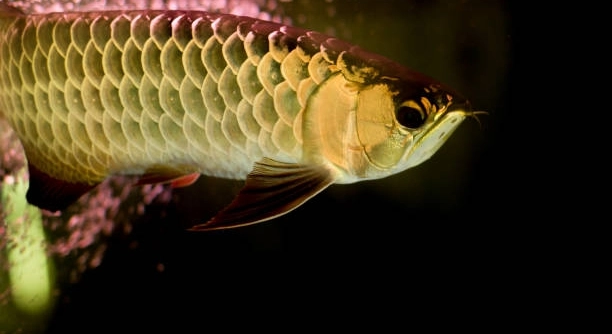
Arowanas are elegant fish that often captivate aquarium enthusiasts with their graceful movements. Observing them swim can be mesmerizing, especially when they trace distinct patterns in their tank, adding a sense of calm and beauty to their environment.
When arowanas swim in figure 8s, it is typically a display of natural behavior associated with territorial awareness, physical exercise, or mating instincts. This pattern helps maintain spatial orientation and supports overall health in a controlled aquatic environment.
Recognizing these movements can give insights into your fish’s wellbeing and provide guidance for improving their habitat and care routines.
Understanding Figure 8 Swimming
Watching an arowana trace figure 8s can be calming, but it is also meaningful. This swimming pattern is often linked to territorial behavior, allowing the fish to mark and navigate its space. Arowanas are naturally large, active fish, and they require ample room to move freely. Confining them to a small tank can lead to stress and repetitive movements, so a spacious aquarium is crucial. Regular observation of their swimming helps you notice any unusual behavior that may indicate health issues. Figure 8 swimming also supports muscle development and coordination, keeping the fish strong and agile. This pattern can occur at any age, though younger arowanas may perform it more frequently. Lighting, water flow, and tank decorations can influence how often this behavior appears. It is important to maintain clean water and stable conditions to encourage natural activity. Understanding these patterns can help improve care and tank setup for optimal wellbeing.
Figure 8 swimming is often a sign of healthy exercise and spatial awareness, reflecting natural instincts and comfort in the aquarium.
Observing these patterns can help you adjust tank conditions to suit the arowana’s needs. It allows for better placement of decorations, feeding areas, and space for movement, ensuring the fish remains active and stress-free. Regularly monitoring swimming habits also gives insight into changes in health or behavior that may require attention. Arowanas often repeat this figure 8 swimming daily, indicating engagement with their environment and proper adaptation to their habitat. Recognizing the nuances in their movements can enhance your understanding of their behavior, contributing to a balanced and thriving tank ecosystem.
Causes of Figure 8 Swimming
Figure 8 swimming can indicate exercise, territory mapping, or mating readiness. It is a natural, instinct-driven behavior for arowanas.
Stress, hunger, or excitement may trigger more frequent figure 8 movements. Environmental factors such as water temperature, current, and tank size also influence this behavior. Overcrowding or sudden changes can make swimming more repetitive or erratic. Observing when and how often the fish swims in this pattern can provide important clues about overall health. Arowanas are sensitive to water quality, and maintaining proper filtration and regular changes can reduce stress-induced behaviors. Lighting cycles can impact activity, with natural patterns encouraging regular swimming. Tank decorations and hiding spots may alter swimming routes but typically do not prevent figure 8s. Feeding schedules also play a role, as anticipation of food can increase movement. Seasonal or hormonal changes can contribute to more pronounced figure 8 swimming. Properly understanding these triggers helps maintain a stable and healthy aquarium environment, ensuring the fish remains physically and mentally stimulated.
Benefits of Figure 8 Swimming
Figure 8 swimming keeps arowanas active and helps strengthen their muscles. It supports coordination and provides mental stimulation, making the fish more alert and responsive to its environment. Regular movement in this pattern can improve overall health and reduce stress in the tank.
This swimming pattern is essential for physical and mental wellbeing. Repetitive figure 8 motions encourage natural movement, keeping joints flexible and preventing stiffness. The activity also helps maintain cardiovascular health, as continuous swimming boosts circulation. Mentally, it provides a form of engagement, reducing boredom that can lead to destructive behaviors or stress. Proper tank setup and water conditions enhance the effectiveness of this exercise. Figure 8 swimming allows the fish to explore its space while maintaining a predictable routine.
Arowanas performing figure 8s often display better posture and alertness. These movements encourage natural instincts, supporting both physical fitness and cognitive health. Consistent observation of this pattern helps ensure the fish remains healthy, alert, and well-adjusted to its environment, making adjustments easier when needed.
Environmental Factors Affecting Figure 8 Swimming
Tank size, water temperature, and flow all impact how often arowanas swim in figure 8s. Proper conditions encourage natural behavior and reduce stress or repetitive pacing.
Arowanas need ample space to perform figure 8s comfortably. Smaller tanks may restrict movement, causing frustration or unhealthy swimming patterns. Water flow affects swimming rhythm, with gentle currents promoting natural, fluid motions. Temperature stability is crucial, as fluctuations can make the fish sluggish or overly active. Lighting cycles influence activity levels, encouraging movement during daytime hours. Decorations and hiding spots can modify swimming routes, but they should not obstruct free movement. Proper tank maintenance, including filtration and water quality, directly supports healthy swimming habits and reduces stress-induced behaviors. Monitoring these factors allows you to adjust the environment to meet the fish’s needs and support regular exercise.
Understanding these environmental influences helps you create an aquarium that promotes figure 8 swimming. By adjusting tank layout, flow, and temperature, arowanas can perform this natural behavior safely. Consistent observation ensures conditions remain optimal, supporting physical health and natural instincts. Properly managing the environment reduces stress and allows the fish to maintain regular movement patterns. Enhancing swimming space and providing stability encourages more frequent figure 8s, reflecting comfort and wellbeing in the tank. Fine-tuning these factors helps ensure the fish remains active, healthy, and fully engaged in its habitat.
Common Misconceptions About Figure 8 Swimming
Figure 8 swimming is often mistaken for a sign of stress or discomfort. In reality, it is usually a natural and healthy behavior that reflects the fish’s instincts and activity levels. Observing context helps distinguish normal behavior from problems.
Some believe figure 8s indicate illness, but most arowanas swim this way naturally. Repetitive patterns are often just exercise or territory mapping, not a cause for concern.
When to Be Concerned
If figure 8 swimming becomes frantic, erratic, or is accompanied by other unusual behaviors, it may signal health issues. Sudden changes in frequency or style warrant closer observation of water quality, feeding, and overall tank conditions to ensure wellbeing.
Supporting Healthy Figure 8 Swimming
Maintaining a spacious tank, clean water, and consistent temperature encourages regular, healthy figure 8 swimming. Proper care supports natural instincts and keeps the fish physically active and mentally stimulated.
FAQ
Why does my arowana swim in figure 8s so often?
Frequent figure 8 swimming is typically a sign of natural activity. Arowanas use this motion for exercise, spatial awareness, and maintaining territory. It helps keep them physically fit and mentally engaged. Changes in frequency may relate to tank conditions, feeding schedules, or stress levels.
Is figure 8 swimming a sign of stress or boredom?
Not always. While repetitive swimming can sometimes indicate stress, in most cases, figure 8s are normal behavior. It becomes concerning only if combined with erratic movements, loss of appetite, or other signs of distress. Consistent observation helps distinguish healthy activity from stress signals.
Does tank size affect figure 8 swimming?
Yes, significantly. Arowanas need large tanks to swim comfortably. Restricted space can make movements less natural or force repetitive pacing. Proper tank dimensions allow full expression of figure 8 swimming while reducing frustration and promoting overall wellbeing.
How does water quality influence this behavior?
Poor water conditions can increase stress and impact swimming patterns. Clean, stable water supports natural movements and encourages healthy figure 8 swimming. Regular water changes, proper filtration, and monitoring pH, temperature, and ammonia levels are essential for maintaining this behavior.
Can decorations or obstacles change figure 8 swimming?
Yes, tank layout influences swimming routes. Hiding spots, plants, or rocks may slightly alter patterns, but they should never block the fish’s movement. Providing open space along with structured areas ensures the fish can swim naturally and comfortably.
Is figure 8 swimming related to mating behavior?
Occasionally, yes. In certain conditions, especially during breeding readiness, arowanas may swim in figure 8s more actively. It can serve as a display of strength and fitness. Observing behavior alongside other mating signs can clarify this connection.
How do feeding habits affect figure 8 swimming?
Arowanas often become more active around feeding times, and figure 8 swimming can increase in anticipation of food. Consistent feeding schedules help regulate this behavior while preventing excessive stress or agitation.
Should I intervene if my arowana swims figure 8s constantly?
Usually, intervention is unnecessary if the fish appears healthy. Ensure the tank is spacious, water quality is stable, and the fish is eating normally. Only unusual patterns combined with other symptoms require closer attention or professional advice.
Does age influence figure 8 swimming?
Younger arowanas often swim more frequently and energetically in figure 8s. As they age, patterns may become slower but remain a natural form of exercise. Maintaining proper tank conditions helps support healthy movement throughout their life stages.
Can temperature changes impact this behavior?
Yes, temperature fluctuations affect energy levels and swimming activity. Stable water temperature encourages consistent figure 8 swimming. Sudden changes may cause sluggishness, erratic movement, or temporary avoidance of this behavior. Monitoring and adjusting the environment ensures regular activity.
How long should a figure 8 swimming session last?
There is no strict duration. Sessions may last from a few minutes to much of the day, depending on activity levels and environmental factors. Regular, moderate movement is a positive sign of health and engagement with the tank.
What else can I do to support healthy figure 8 swimming?
Provide a spacious tank, stable water conditions, proper diet, and consistent lighting. Avoid overcrowding and minimize stress. Observing the fish daily helps identify changes early, ensuring figure 8 swimming continues as a normal, healthy behavior.
This FAQ covers the most common questions about figure 8 swimming, helping you understand and support your arowana’s natural behavior while maintaining a healthy and comfortable environment.
Arowanas are fascinating fish, and observing their figure 8 swimming can be both calming and informative. This behavior is often a natural expression of their instincts, helping them exercise, navigate their space, and maintain physical fitness. Understanding that figure 8 swimming is typically healthy can make it easier to provide the proper care and environment they need. When arowanas swim in this pattern regularly, it usually indicates that they are comfortable in their surroundings and that their tank is meeting their basic needs. Tank size, water quality, and stable conditions all contribute to this behavior, and monitoring these factors allows for a happier and healthier fish. Recognizing the difference between normal activity and unusual behavior is key to ensuring their wellbeing.
Supporting an arowana’s natural behavior goes beyond just observing figure 8 swimming. A spacious tank with proper filtration and regular maintenance encourages natural movement while reducing stress. Consistent water temperature and clean water conditions help maintain energy levels and prevent health issues. Feeding schedules also play a role, as anticipation of food can influence swimming activity. Decorations should be arranged to allow plenty of open space for movement while providing some hiding spots to make the fish feel secure. By paying attention to these details, the figure 8 swimming can continue as a healthy and beneficial activity rather than a sign of discomfort or boredom. Daily observation not only allows you to notice behavioral changes early but also deepens your understanding of the fish’s needs and habits.
Finally, figure 8 swimming is a window into the arowana’s natural instincts and wellbeing. It reflects physical activity, territorial awareness, and sometimes readiness for mating, depending on the context. By maintaining proper environmental conditions and giving the fish room to move freely, you support both physical and mental health. This swimming behavior also provides a subtle way to assess their overall condition; irregularities may indicate issues that need attention, while consistent patterns show a well-adjusted, active fish. Observing, understanding, and supporting these movements strengthens the connection between caretaker and fish, ensuring the arowana thrives in its aquatic environment. Proper care, attention to tank setup, and monitoring behavior can make a significant difference in their health and longevity, allowing them to display natural behaviors comfortably and regularly.

Hello,
If you enjoy the content that we create, please consider saying a "Thank You!" by leaving a tip.
Every little bit helps us continue crafting quality advice that supports the health, happiness, and well-being of pets around the world, for pets of all shapes, sizes, and species.
We really appreciate the kindness and support that you show us!